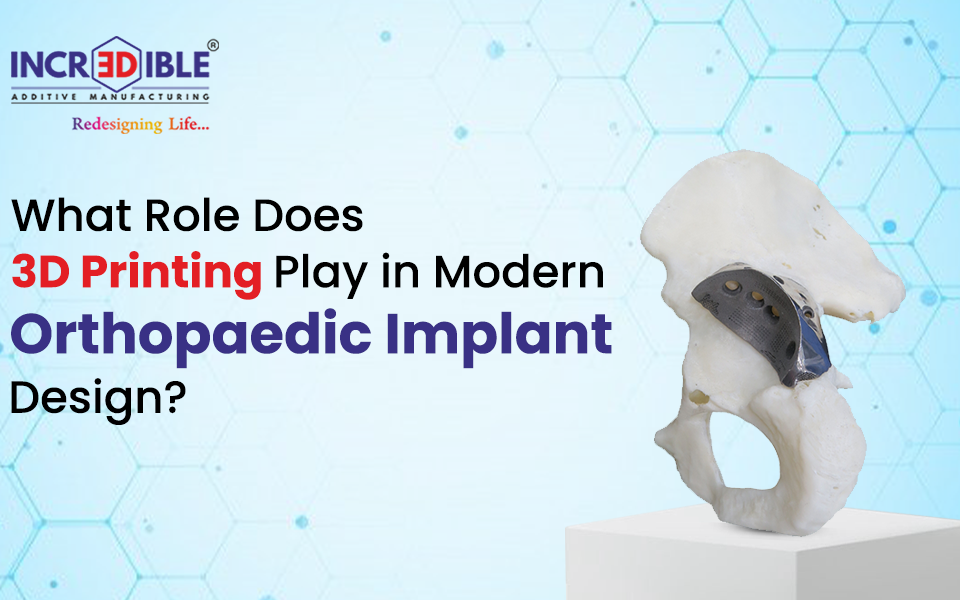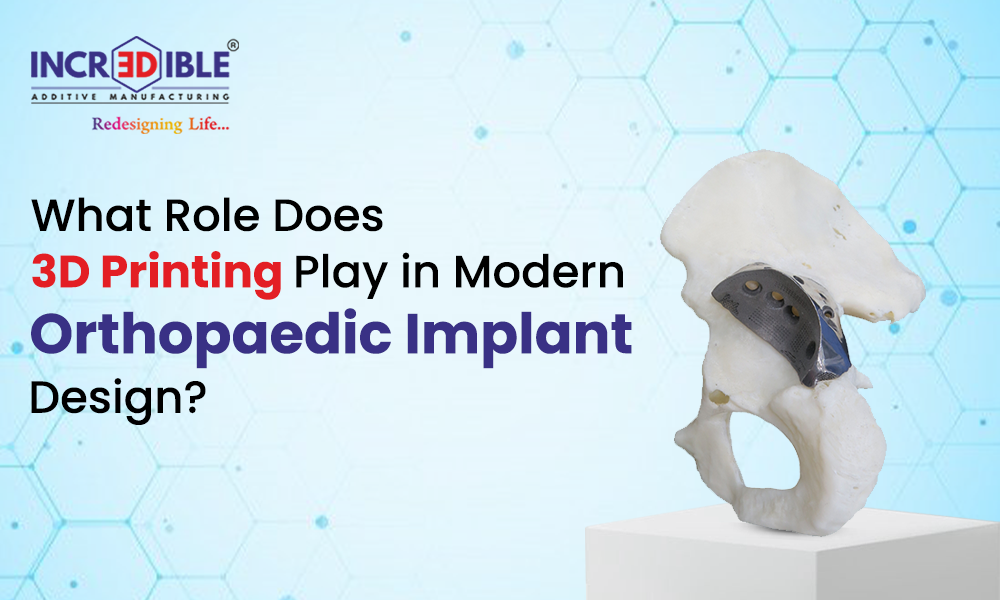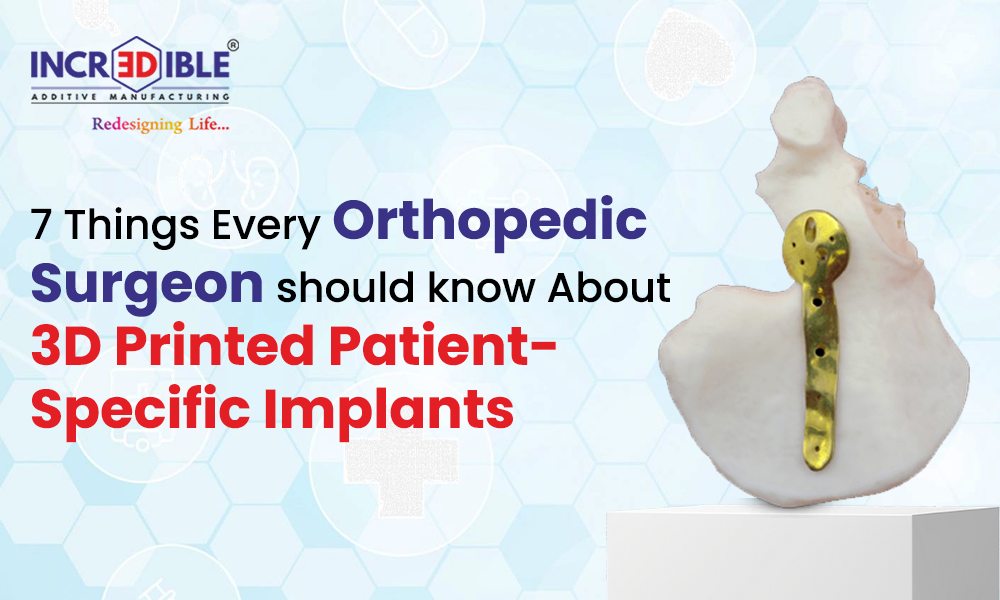
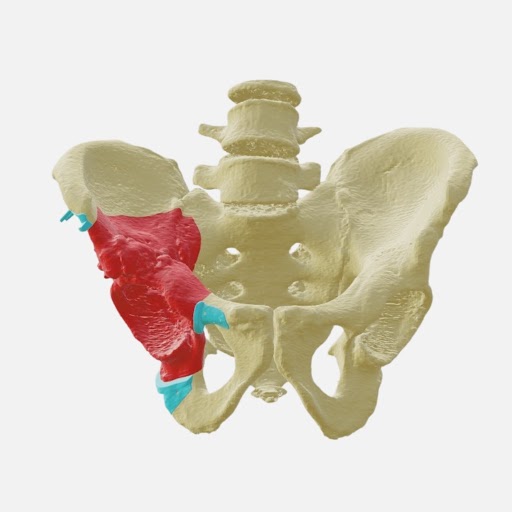
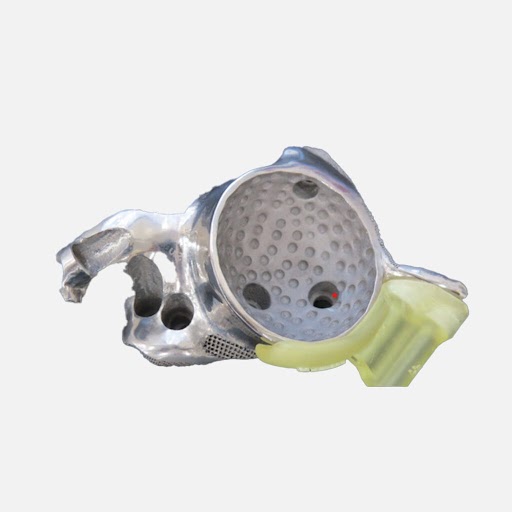
While hip replacement surgery has been successful for millions of people who’ve been able to move and be pain-free, not all patients’ body structures are compatible with a standard implant using 3D printed hip implants. Off-the-shelf implants are available in a limited size and shape and may not fit perfectly into the complicated bone structure and individual patient’s characteristics. That’s why many surgeons are now looking to 3D printed custom hip implants. These custom-made alternatives are revolutionizing orthopedic surgery, offering enhanced fitment, stability, and comfort, and aiding in more precise surgical results.
“Every patient’s bone structure is different, and modern hip replacement is moving toward solutions built for individual anatomy.”
A surgeon’s choice is due to the custom hip implant’s better fit. In most situations, standard implants will do the job just fine, but some patients may have bone abnormalities, have suffered trauma in the past, and/or have unusual hip anatomy and will require more precise solutions through custom hip implants.
For example, if someone has lost large amounts of bone, has undergone multiple surgeries, and is less likely to have strong jawbones, they may not be able to maintain the implants using traditional implants. A 3D printed implant using a patient’s scans will fit better and can be more secure and natural.
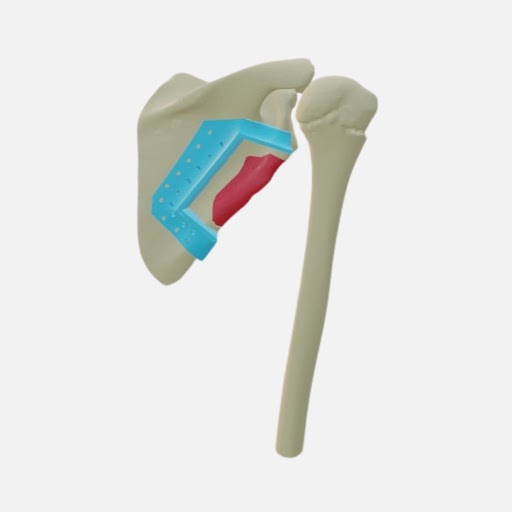
The implants made in the 3D printing process are made using detailed computed tomography scans, which are then modeled on a computer so that doctors can plan the treatment more precisely before entering the operating room through personalized orthopedic solutions. This preparation aid helps to place the implant and helps with the accuracy of surgery.
There’s also less need to make too many adjustments in surgery with customized implants, as they’ll be matched to the patient’s anatomy.
“Personalized implant planning helps surgeons approach complex hip procedures with greater confidence and precision.”
There is 3D printed hip implants that are created with a porous lattice structure that promotes the natural growth of bone around the implant. This allows, over time, for the implant to be better accepted by the body with the help of advanced custom orthopedic implants.
If, for instance, the patient is younger and more active, more solid long-term fixation and durability could be preferable with implants. This not only results in better, faster integration with the bone but also helps to eliminate the risk of implant loosening that is often experienced with traditional implants.
“3D printed implant surfaces help create a stronger connection between the implant and natural bone.”
Occasionally, with a better fit, patients find they are more comfortable and mobile following surgery. Custom implants will be fabricated to fit the hip joint of the patient as closely as possible to allow it to more closely simulate the normal hip function because of the growing benefits of custom hip implants.
Many surgeons also believe that personalized implants will yield better mobility results as the alignment of the implant is correct from the start. But rehabilitation remains important, and ultimately, it is important to ensure that the patients’ recovery process is smoother, possibly helped by better-fitting implants.
“A customized implant is designed not only for replacement, but also for restoring natural movement and comfort.”
Patient-specific healthcare is changing. Customized implants can improve the patient’s life while enhancing the surgical process through advanced 3D printed hip implants solutions.
Quick Recap
In a world of healthcare professionals and patients looking for the very latest orthopedic solutions, 3D Medical is dedicated to delivering solutions that are patient-centric, cutting-edge, and precision-driven in customization.