Each orthopedic procedure poses a different challenge because each person’s bones are different. Traditional implants need to be manipulated during surgery, while 3D Printed Patient-Specific Implants are tailored from the start. This transition is enabling surgeons to be more precise, make surgical planning more precise, and provide better long-term results.
“The best implant isn’t the closest fit—it’s the one designed specifically for the patient.”
Every Patient Deserves a Personalized Fit
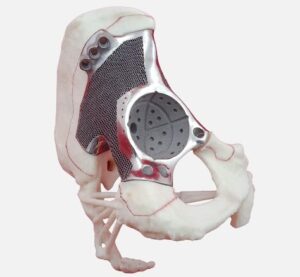
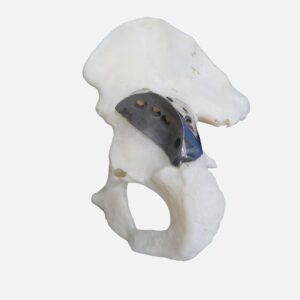
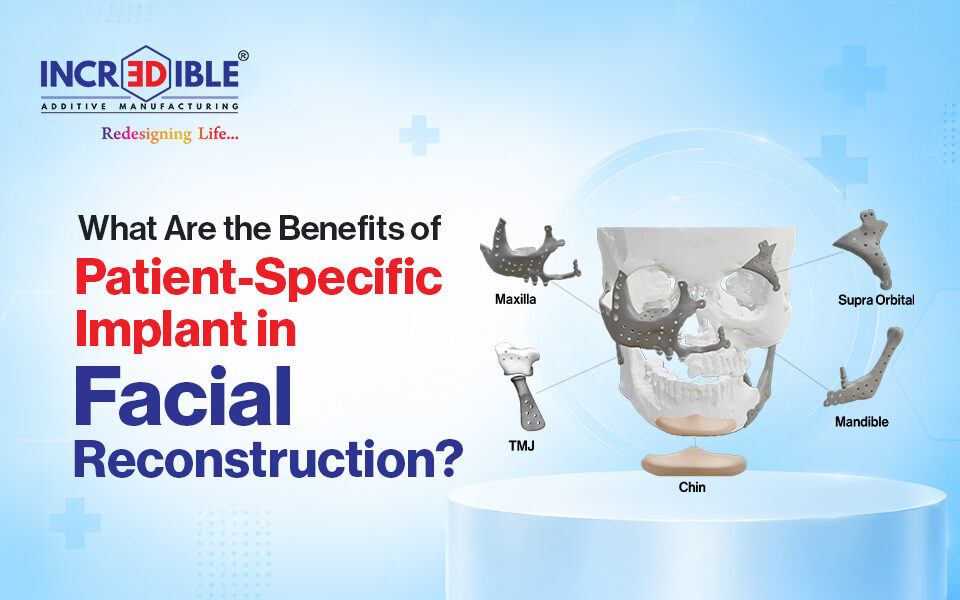
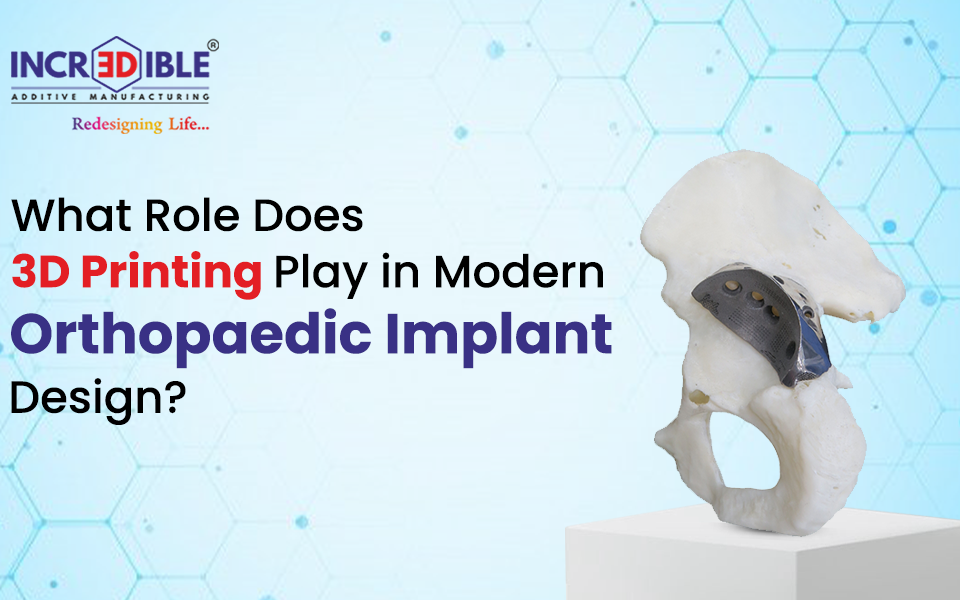
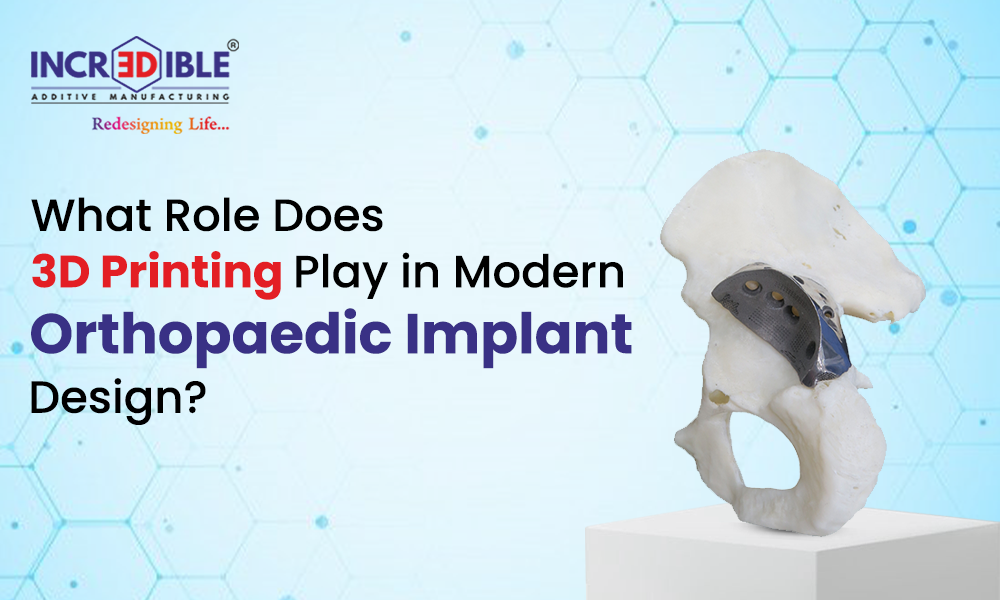
Surgeons no longer need to choose an implant size from a stock but can now use patient-specific implants made from CT or MRI scans. The implants are designed to match the exact anatomy, and complex procedures are more predictable. Suppose a patient has been injured and needs a pelvic reconstruction; they can be reconstructed with a custom implant that can fit the irregular shape of the bones, as opposed to having several adjustments using traditional orthopaedic implants.
Better Planning Leads to Better Surgery
The key to successful orthopedic procedures is that it starts before the operating room. 3D printed anatomical models and surgical guides allow surgeons to better understand complex cases, to practice the placement of their implants, and to predict possible obstacles before they make their first cut.
This preparation sometimes aids in the following:
More accurate surgery with patient-specific guidance.
Increased confidence in making decisions for complex procedures.
Increased communication among surgeons and surgical staff.
Complex Cases Become More Manageable
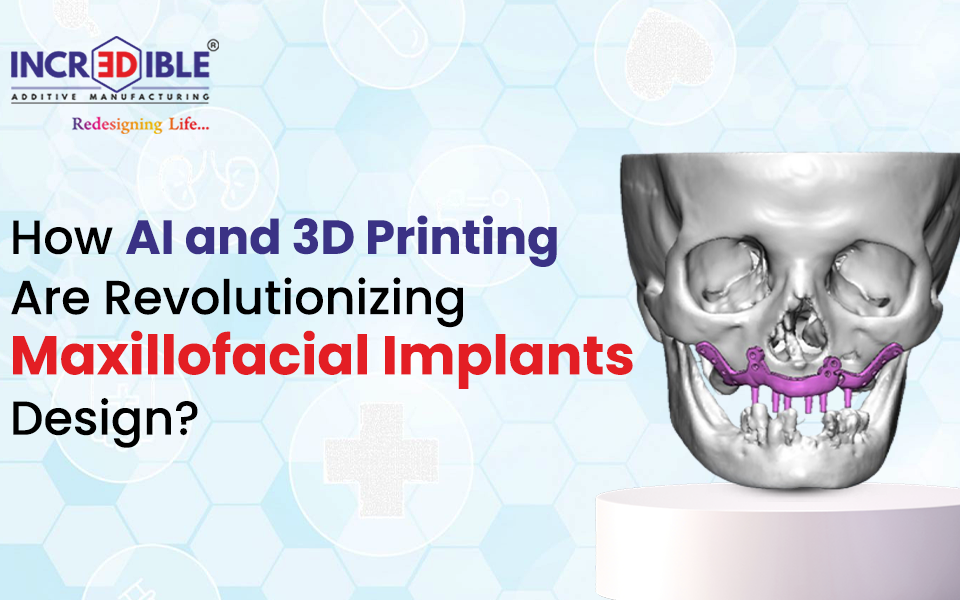
A bone defect caused by a revision surgery, tumor removal, or extreme fracture often is irregular in shape and will not fit a standard implant. 3D printed implants allow surgeons to tackle these challenging situations with customized solutions. For instance, in an oncology context, oncologic removal of the tumor is followed by reconstruction of its anatomical structure using patient-specific titanium implants while maintaining its function.
“When anatomy becomes complex, personalization becomes the advantage.”
Implant Design Can Support Natural Bone Integration
The porous lattice structures are similar to natural bone architecture and, unlike conventionally made implants, can be created through additive manufacturing. These designs stimulate bone growth into the implant while they are biologically stable over time.
This design approach provides:
Better bonding with bone using porous surfaces on the implants.
More stability of the implants during long-term healing.
Unlimited geometry complexity: not possible with traditional manufacture.
“Modern implant design focuses on helping the body work with the implant—not around it.”
Faster Availability for Challenging Cases
Advancements in digital workflows have significantly shortened the time required to manufacture customized implants. For urgent reconstructive procedures, surgeons can receive personalized solutions much sooner than traditional custom manufacturing methods.
Clinical Evidence Continues to Grow
Hospitals worldwide are increasingly adopting 3D printed orthopaedic implants across spinal, cranial, pelvic, and joint reconstruction procedures. As clinical experience expands, surgeons gain stronger confidence in using customized implants for demanding cases.
Precision Is Becoming the Future of Orthopedics
3D-printed orthopedic implants are being introduced in hospitals at a rapid pace in various surgical interventions such as spinal surgeries, cranial surgeries, pelvic surgeries, and surgeries involving the joints across the globe. Surgeons become more confident in their use of custom implants for more complex cases as they participate in more surgeries.
The more complex the surgeries, the more confident the surgeon is in their ability to use a customized implant in their surgery. Doctors who are familiar with 3D-printed patient-specific implants are more capable and confident in providing personalized treatment. The future of orthopedic medicine is now moving towards precision.
Personalization isn’t just a future concept; it’s an achievable expectation in the world of complex orthopedic care.
Key Benefits
Anatomical fit: Implants are custom-designed to fit the patient, positioning the implant correctly and ensuring a more predictable surgical experience.
Improved surgical planning: Digital models and surgical guides help surgeons plan surgeries more effectively, anticipate potential problems, and make better decisions during the procedure.
Better biological integration: Porous implant architecture facilitates in-growth of bone, which helps provide long-term stability and fixation of the implant.
More flexibility when needed: For more complex cases, patient-specific solutions facilitate reconstruction after tumors, revision surgeries, and trauma cases where traditional implants may not fit.
Conclusion
All orthopedic surgeons need to become familiar with the impact of patient-specific, 3D printed orthopaedic implants on the practice of modern surgery. These allow a more precise, improved plan of treatment to be provided and tailor treatment to even the most complex cases.
Key Takeaways
Personalized implants fit the patient’s body.
The pre-operative planning helps surgeons gain confidence in surgery.
More complex reconstructions are easier to deal with.
Porous designs for implants promote bone integration.
Personalized care is faster through digital workflows.
When precision and personalization are paramount, explore the option of collaborating with 3D Medical to achieve superior orthopedic results with a patient-specific implant solution.