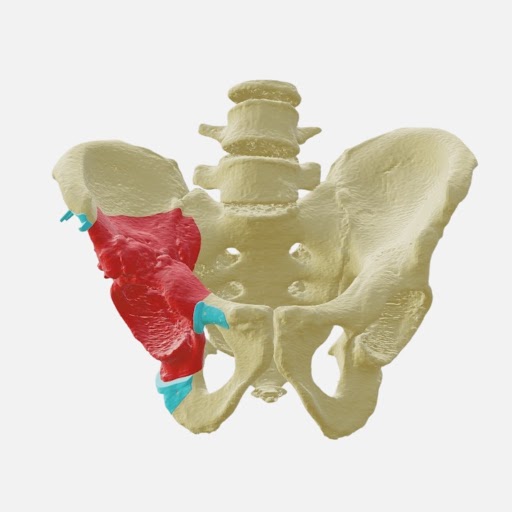
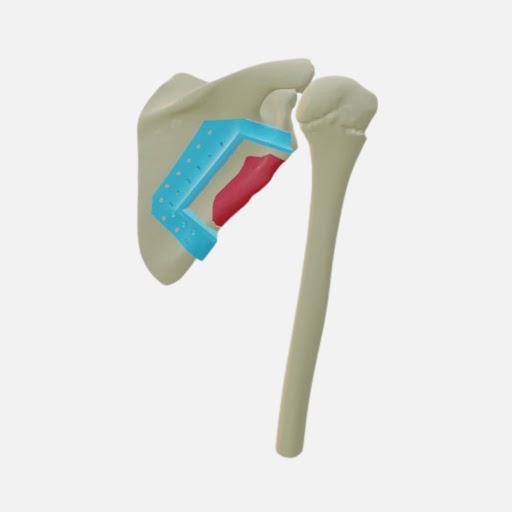
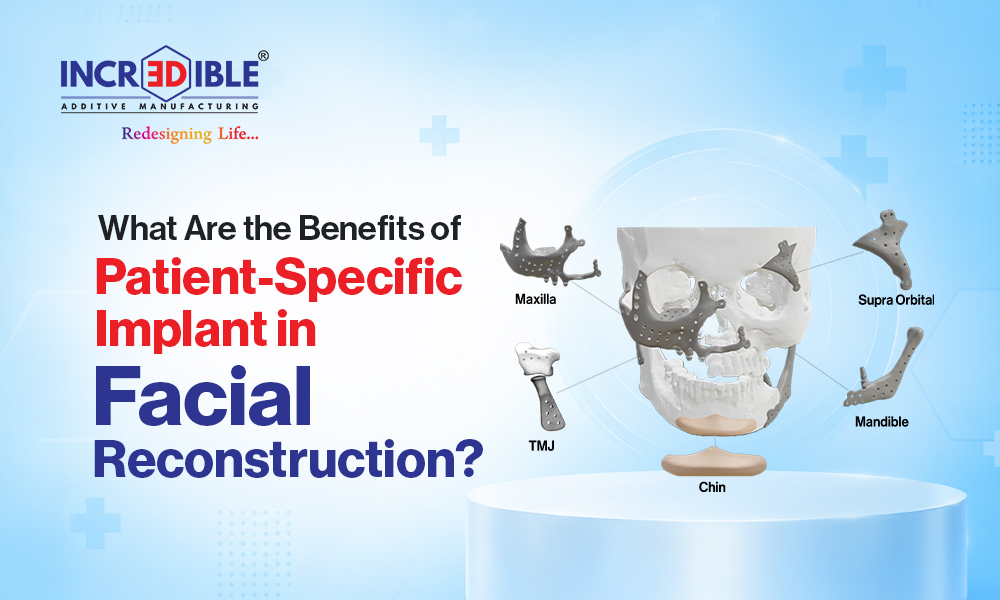
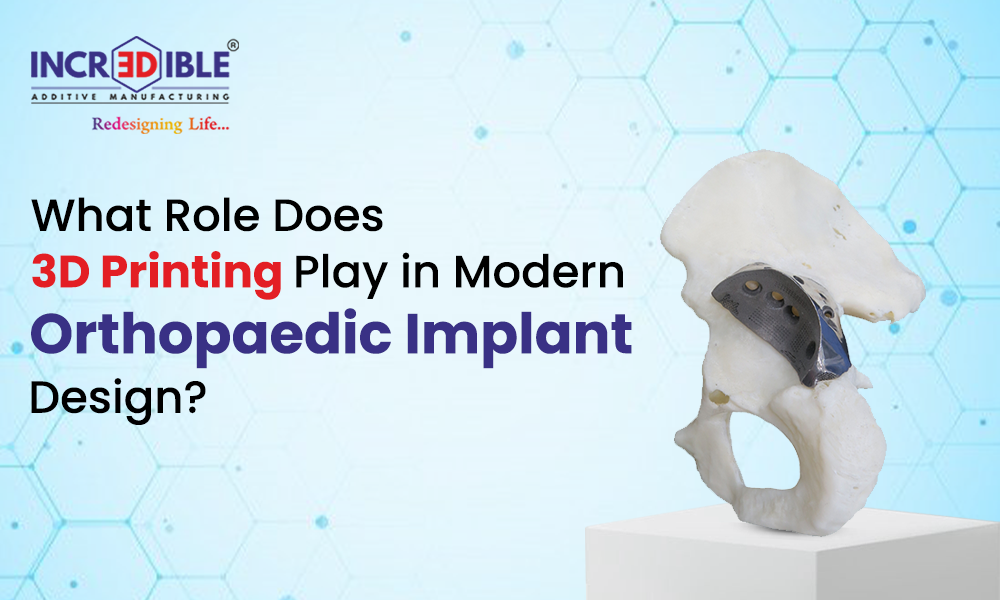
A surgical guide must fit closely against the patient’s bone so that the surgeon can follow the planned cutting, drilling, or implant placement path accurately. Patient-specific surgical guides are developed from detailed medical imaging and digital models of the patient’s anatomy. The process connects CT, CBCT, or MRI data with surgical planning and precision manufacturing, allowing the final guide to reflect the bone’s actual shape rather than relying on a standard design.
“A surgical guide works like a physical roadmap, translating a digital surgical plan into precise movements during the procedure.”
How Is the Patient’s Bone Mapped?
The process begins with detailed CT, CBCT, or MRI scans that capture the patient’s unique bone structure. The imaging data is converted into a three-dimensional digital model using specialized medical software.
Engineers can then examine the defect, bone contours, and planned surgical area before creating the guide. This digital foundation is what makes custom surgical guides different from standard instruments. The guide is designed around the specific anatomy rather than asking the patient’s bone to accommodate a predetermined shape.
Detailed imaging: Captures the patient’s individual bone contours and anatomical landmarks.
3D reconstruction: Converts scan data into a digital model for surgical planning.
Anatomical matching: Uses the patient’s actual bone geometry as the foundation for guide design.
How Does Digital Planning Improve the Fit?
Once the bone model is created, surgeons and engineers can virtually plan the procedure. The guide is designed to sit against specific anatomical surfaces, creating a stable position during surgery.
For example, in a complex knee procedure, the guide can be designed around the patient’s bone contours to indicate the planned cutting angle and position. In spinal surgery, the same approach can help establish a predetermined trajectory for screw placement.
Planned contact points: Uses suitable areas of the bone to help position the guide consistently.
Precise tool paths: Incorporates planned cutting or drilling directions into the guide.
Virtual verification: Allows the proposed guide position to be reviewed before manufacturing.
“The closer the digital model reflects the patient’s anatomy, the more precisely the physical guide can translate the surgical plan.”
How Does 3D Printing Preserve the Planned Accuracy?
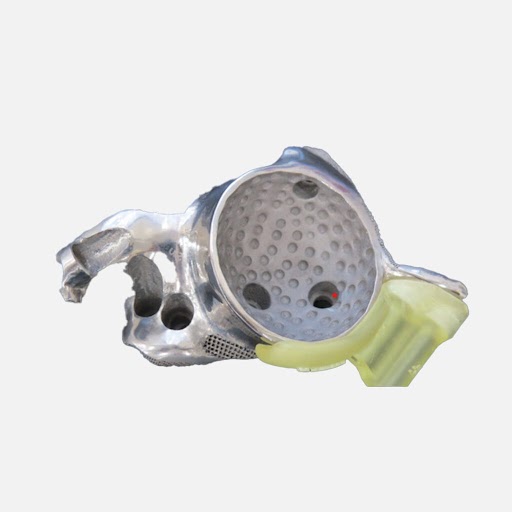
After the design is approved, the guide can be manufactured using medical 3D printing with suitable biocompatible materials. Additive manufacturing builds the guide according to the digital geometry, allowing complex surfaces and guide features to be reproduced accurately.
Depending on the procedure, medical-grade resin or titanium alloy such as Ti6Al4V ELI may be used. After printing, the guide undergoes appropriate cleaning, post-processing, and sterilization before clinical use, according to the applicable requirements.
Key Benefits
Accurate guide design combines patient imaging, virtual surgical planning, anatomical contact, and controlled manufacturing to create a tool suited to the planned procedure.
Anatomical fit: Designed around the patient’s bone geometry, helping the guide sit in the intended position during surgery.
Surgical precision: Planned cutting and drilling paths can be incorporated directly into the guide for controlled execution.
Procedure efficiency: Preoperative planning can simplify complex surgical steps and reduce uncertainty during the procedure.
Design flexibility: Digital workflows accommodate different bone shapes, surgical requirements, and guide configurations.
Material suitability: Biocompatible resins and medical-grade titanium can be selected according to procedural requirements.
“The accuracy of a surgical guide begins long before printing; it starts with accurate imaging and careful digital planning.”
Conclusion
Surgical guide accuracy depends on a connected process where imaging, digital reconstruction, surgical planning, guide design, and manufacturing work together. The goal is not simply to create a guide that looks correct, but one designed around the patient’s specific anatomy and intended surgical plan.
Clinical suitability: Supports orthopaedic, dental, spinal, and other procedures where patient-specific guidance is required.
For hospitals and surgical teams developing 3D printed surgical guides, 3D Medical can support the workflow from anatomical modeling and guide design through precision manufacturing and post-processing.