
October 21, 2026

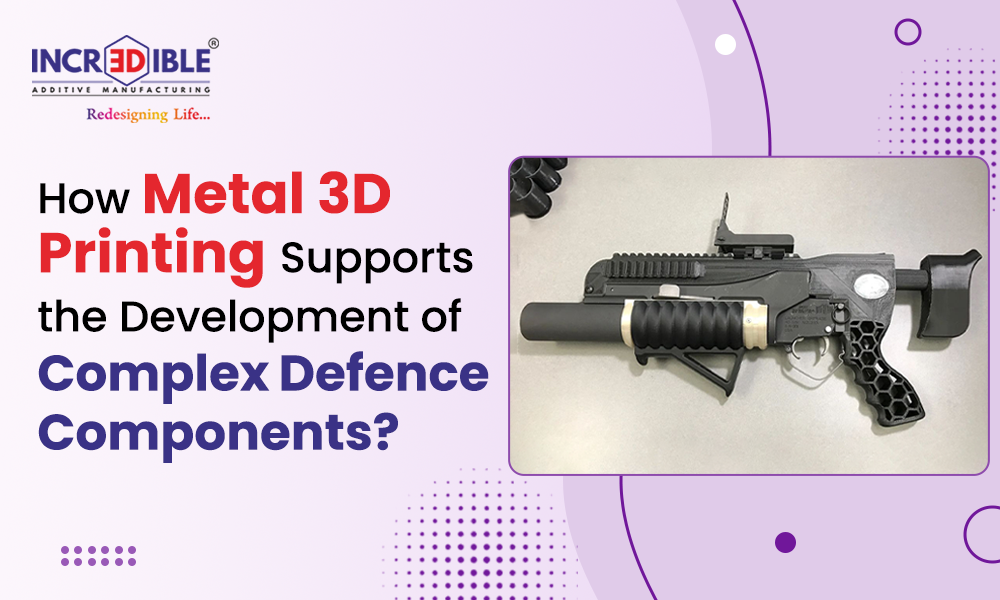
https://youtu.be/n0qofZ3B09E?si=iDIWDHqgYGT2j86v Defence systems depend on thousands of specialised components that must perform reliably under demanding conditions. However, traditional manufacturing can involve lengthy production cycles, expensive tooling, and supply chain delays. […]
October 17, 2026

https://youtube.com/shorts/GQATpUzJZi8?si=-T7I4QRHo_bYJZIi Manufacturing metal components with intricate internal features has always challenged conventional machining methods. Drilling curved passages or creating enclosed cavities often requires multiple operations and assembled parts. Selective Laser […]
September 22, 2026
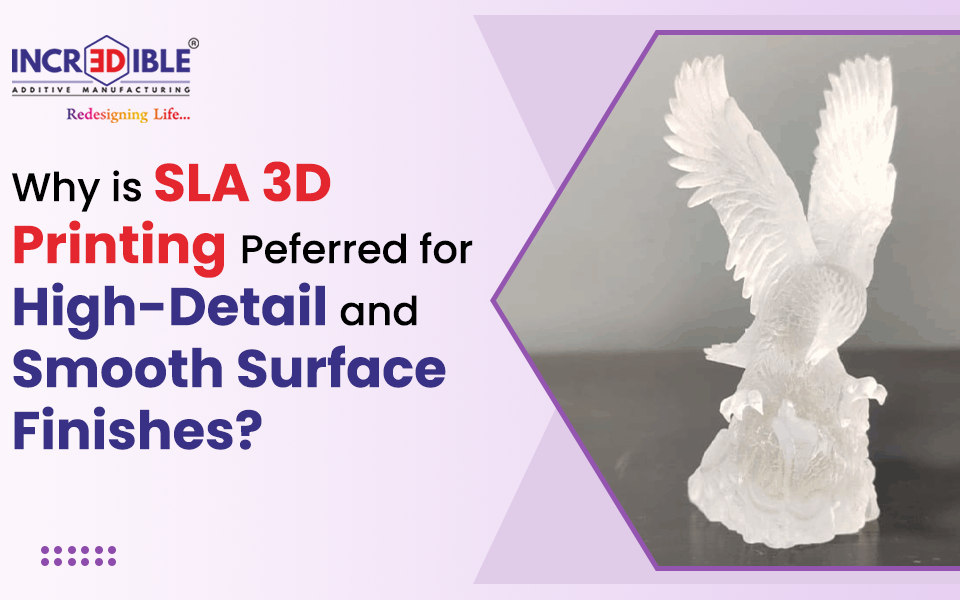
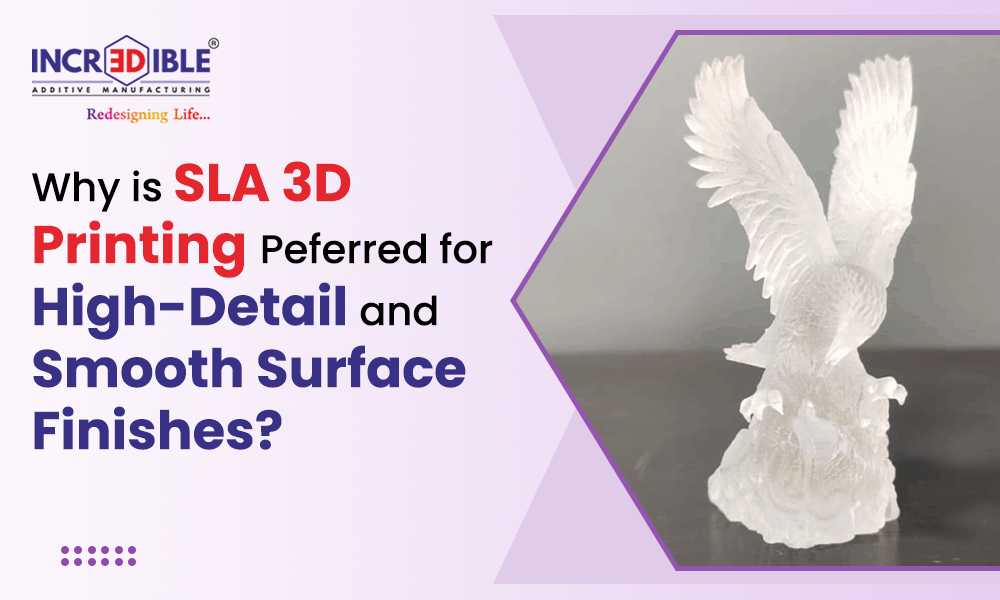
When a product needs tiny features, sharp edges, and a polished appearance, SLA 3D Printing often becomes the preferred choice. Unlike methods that deposit or fuse material layer by layer, […]
September 21, 2026
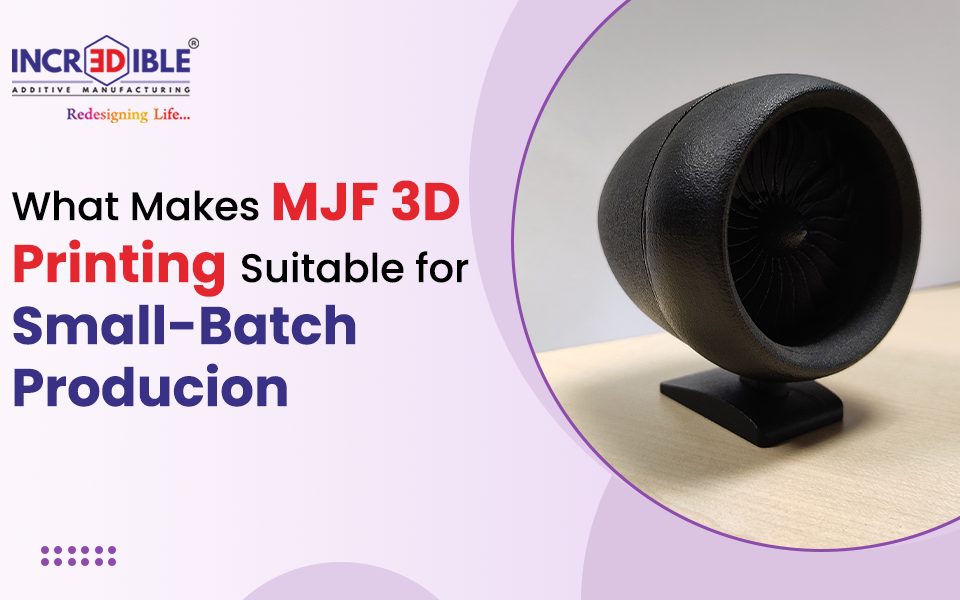
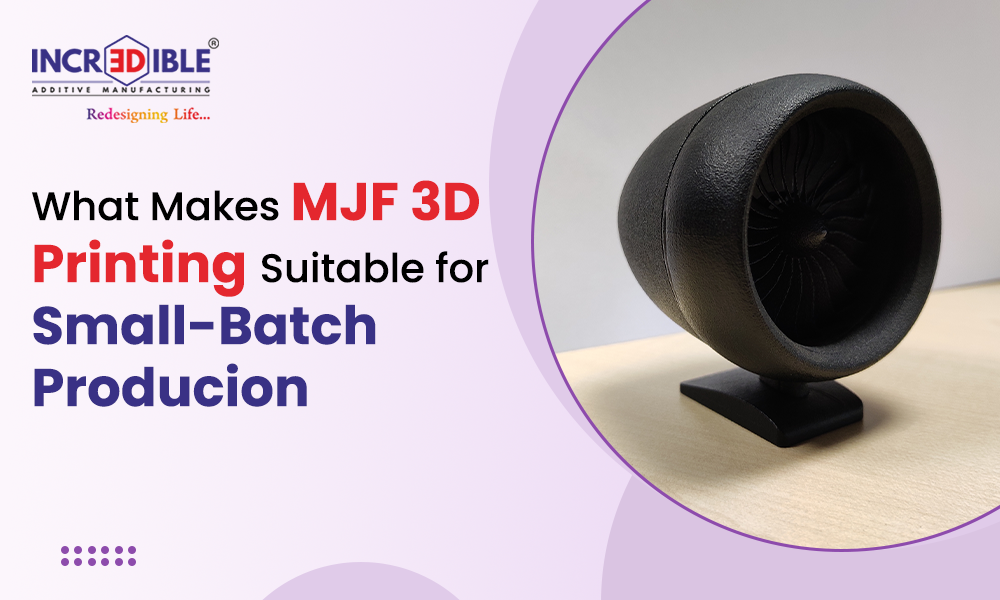
When a business needs 20, 50, or a few hundred functional parts, traditional manufacturing can become expensive because tooling and setup costs are difficult to justify. MJF 3D printing offers […]
August 12, 2026
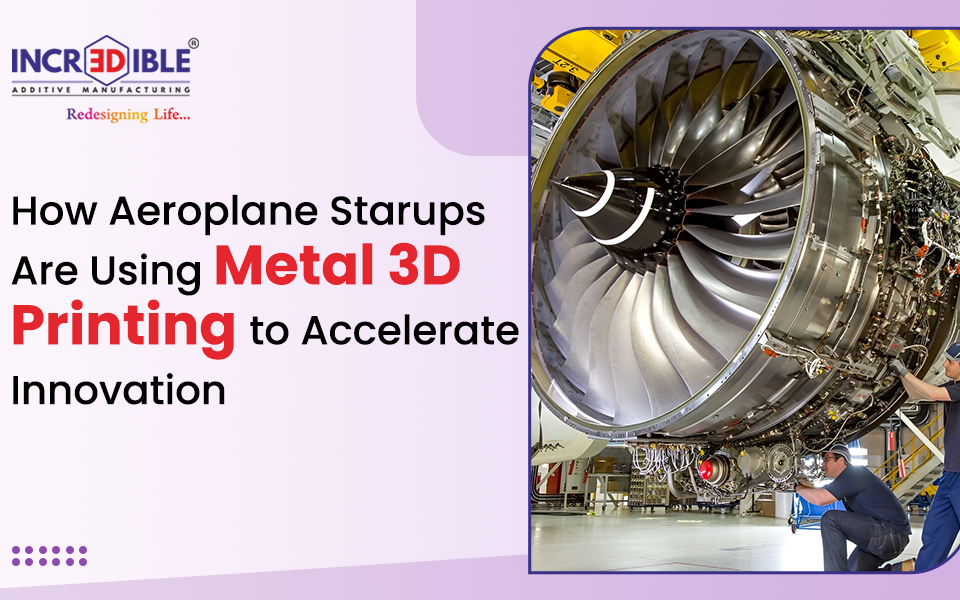
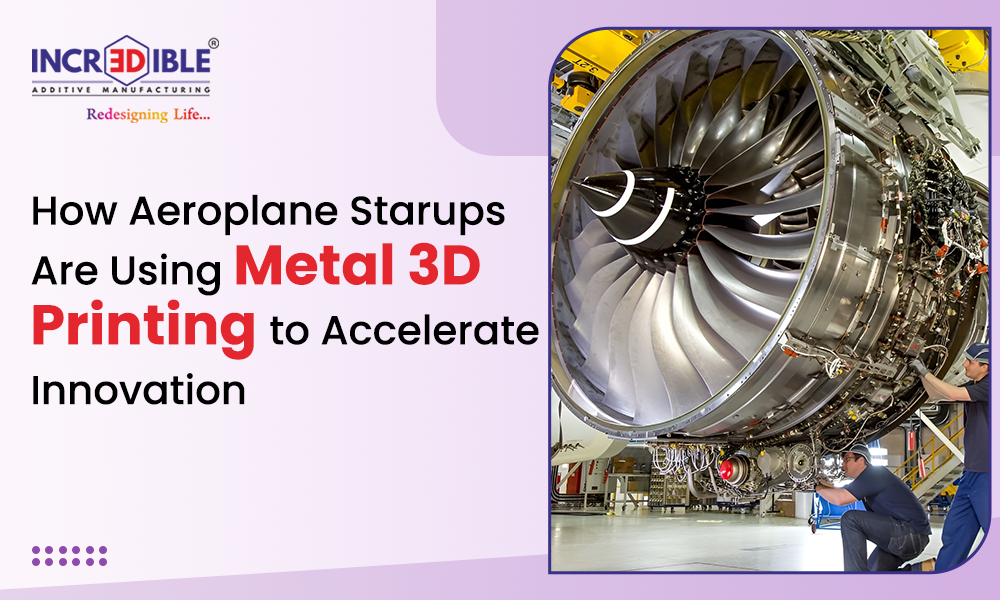
The aerospace industry has always been a place of innovation, but startups need to be innovative as much as they need breakthrough ideas—and speed. In traditional manufacturing, a lot of […]
August 7, 2026
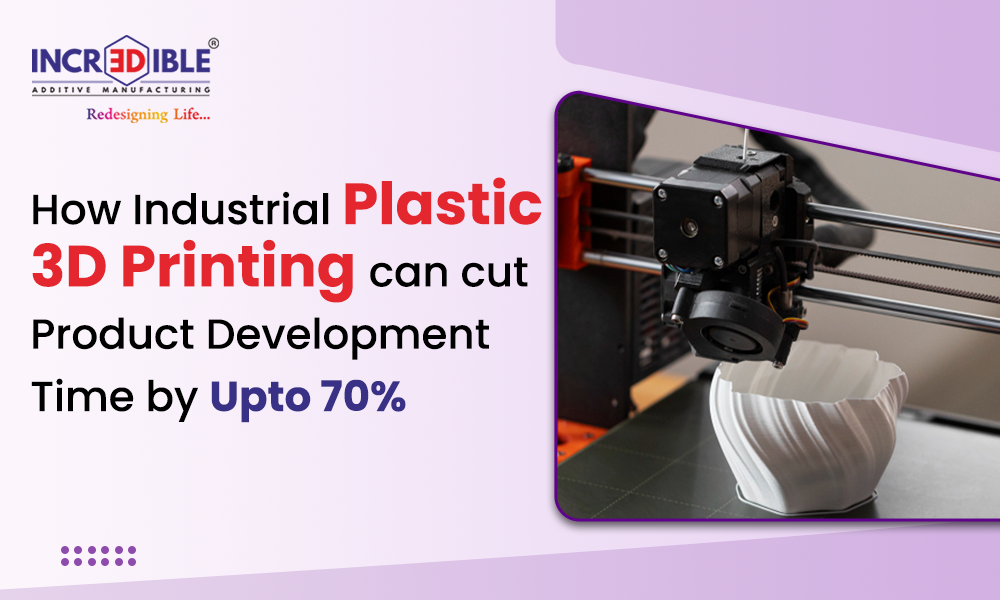
Bringing a new product to market has always been a race against time. Traditional manufacturing often involves tooling, machining, and repeated design revisions that can stretch development timelines over several […]