Facial injuries, congenital conditions, and tumour removal can alter the structure of the face, affecting essential functions and appearance. Reconstructive surgery aims to restore both, but rebuilding complex facial anatomy requires careful planning and precise implants. 3D printing in facial reconstruction has transformed this process by helping surgeons visualise defects, plan procedures, and create patient-specific solutions. From jaw reconstruction to orbital repair, modern techniques support more accurate surgical planning and restorations tailored to each patient’s anatomy.
“Successful facial reconstruction is about restoring essential function while respecting the unique anatomy of every patient.”
Why Is Rebuilding Facial Anatomy So Complex?
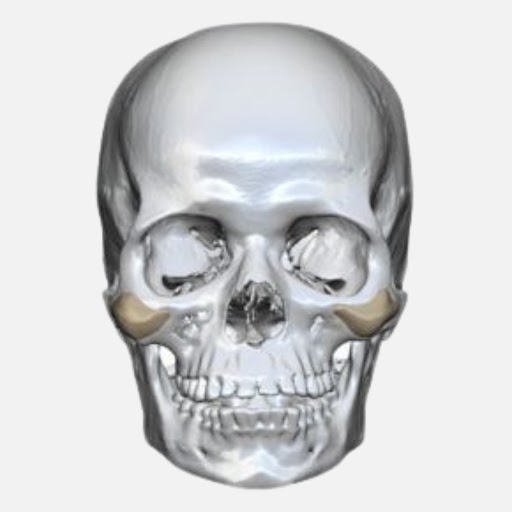
The face contains closely connected bones and structures that support chewing, vision, breathing, and facial symmetry. Trauma, congenital differences, or surgery to remove tumours may disrupt these relationships. Conventional reconstruction can involve extensive manual planning, particularly when defects have irregular contours. Patient-specific reconstruction helps address these challenges by considering the shape and dimensions of the affected area rather than relying solely on standard implant designs.
How Does 3D Technology Improve Surgical Planning?
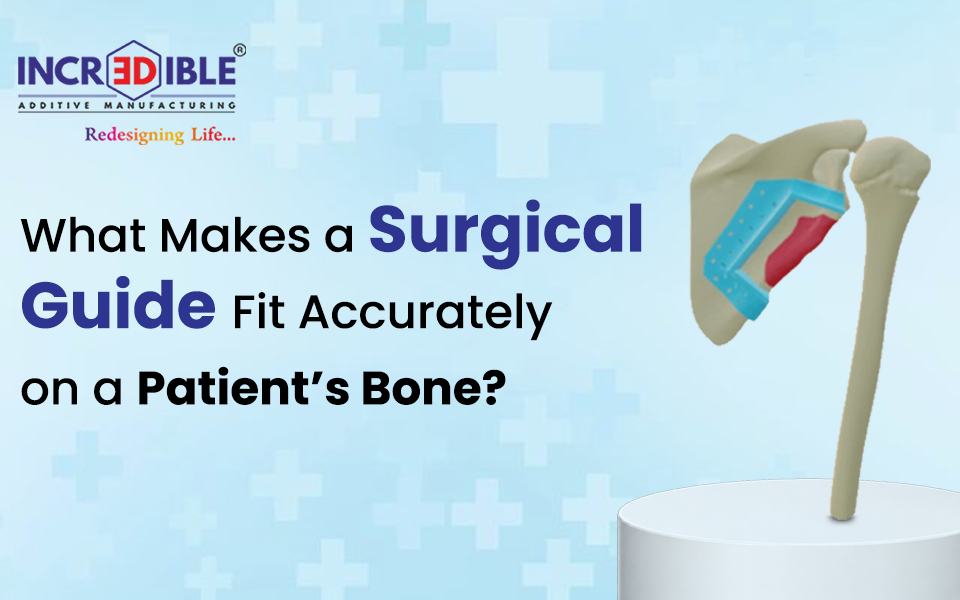
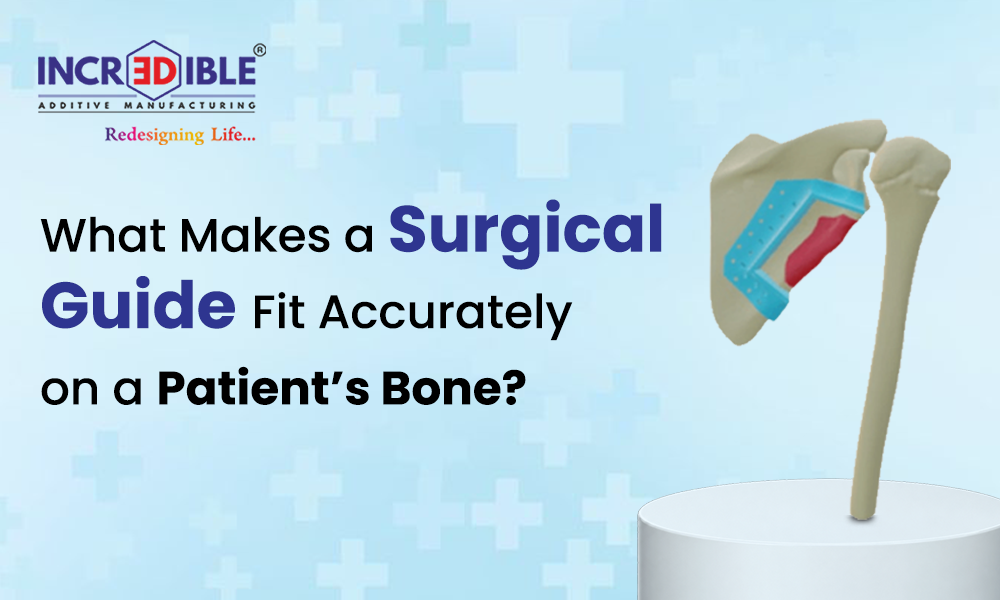
Surgeons can use CT or MRI scans to develop detailed digital representations of a patient’s anatomy. These models help identify defects, assess implant fit, and plan surgical approaches before an operation. 3D-printed anatomical models can also help teams understand complex structures, while customised surgical guides support planned cuts and implant positioning.
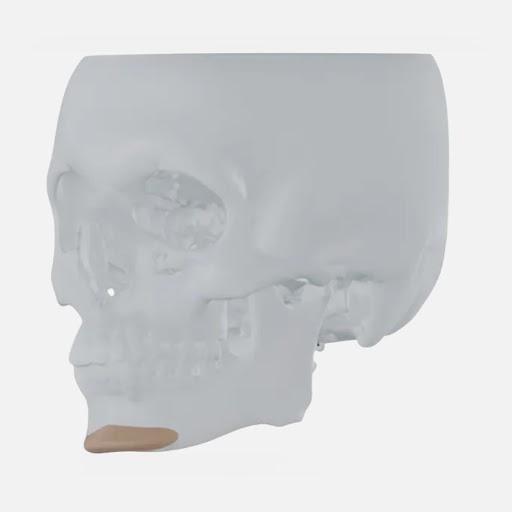
For example, a mandible reconstruction model can help surgeons assess jaw contours before rebuilding the affected area. This approach supports facial reconstruction surgery by allowing teams to evaluate anatomical details before operating.
Which Materials Support Modern Facial Reconstruction?
Choosing suitable materials is essential for creating implants that provide structural support and work within the body. Titanium alloys offer strength, corrosion resistance, and established use in medical implants. PEEK (polyetheretherketone) is valued for its strength, biocompatibility, and radiolucency, which allows it to appear relatively transparent on certain medical images. Material selection depends on the defect, clinical requirements, implant design, and the surgeon’s assessment.
“Personalised design and appropriate material selection help bring precision to complex reconstructive procedures.”
Where Are Patient-Specific Facial Implants Used?
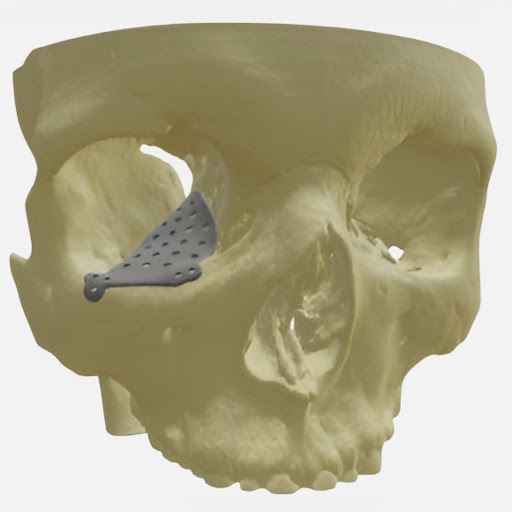
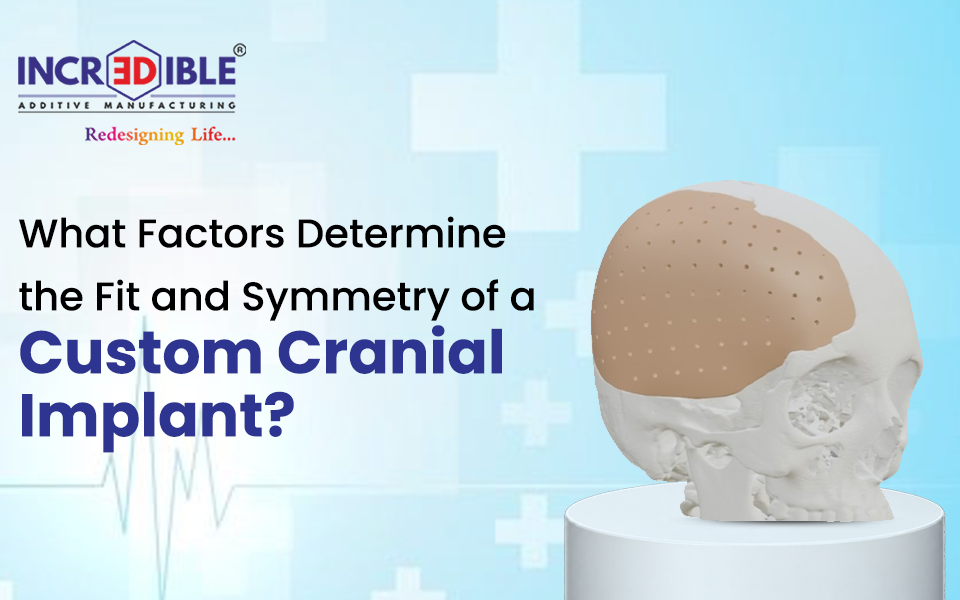
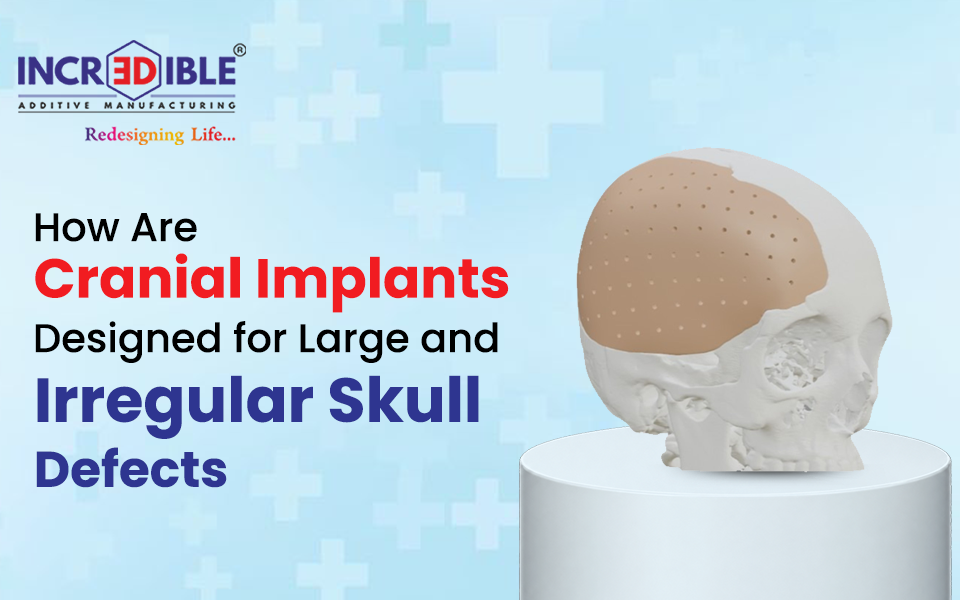
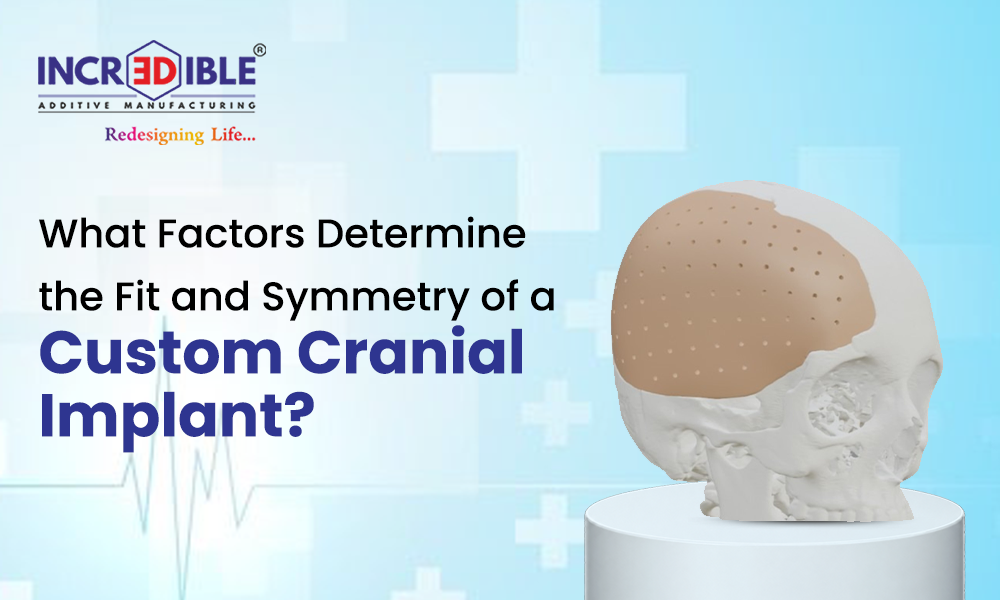
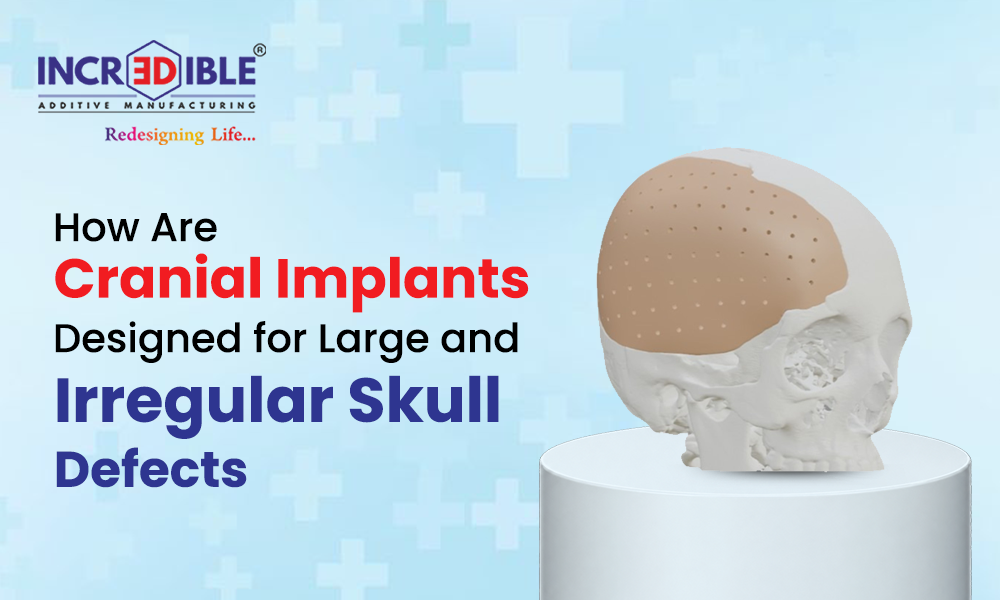
Customised implants can help reconstruct several facial regions, depending on the patient’s needs and clinical assessment. Custom facial implants can be designed around individual anatomical requirements, while 3D printed facial implants may support reconstruction of specific facial defects.
Mandible reconstruction: Custom implants can restore jaw contours and support function following bone loss or surgical resection.
Orbital floor repair: Patient-specific implants can help restore the orbit’s internal shape and volume after certain fractures.
Maxilla reconstruction: Tailored implants can help rebuild missing mid-face bone and restore structural support.
Orthognathic surgery: Digital planning, cutting guides, and customised splints can assist procedures that reposition the jaws.
These applications demonstrate how 3D-assisted planning can address anatomical differences that standard solutions may not accommodate as precisely. Depending on the clinical needs, facial reconstruction implants can be developed to match the contours of the affected region.
“A reconstruction designed around the patient can help surgeons address complex defects with greater planning precision.”
Key Benefits of Modern Facial Reconstruction
Personalised fit: Patient-specific designs follow individual anatomical contours, helping surgeons plan reconstruction around the defect.
Improved visualisation: Digital models make complex anatomy easier to assess before surgery.
Surgical guidance: Custom guides help translate a digital plan into carefully planned surgical steps.
Functional restoration: Reconstruction can help restore structural support for functions such as chewing or maintaining orbital volume.
Conclusion: Rebuilding Structure with Greater Precision
Modern facial reconstruction combines 3D planning, patient-specific implants, and advanced materials to help address complex facial defects. Its key advantages include:
More detailed preoperative planning.
Implants tailored to individual anatomy.
Support for restoring facial structure and function.
For healthcare teams seeking patient-specific medical models, implants, and surgical guides, 3D Medical offers 3D printing solutions that can support planning and reconstruction workflows based on clinical requirements. These solutions may include patient-specific facial implants designed to support individual reconstructive needs.