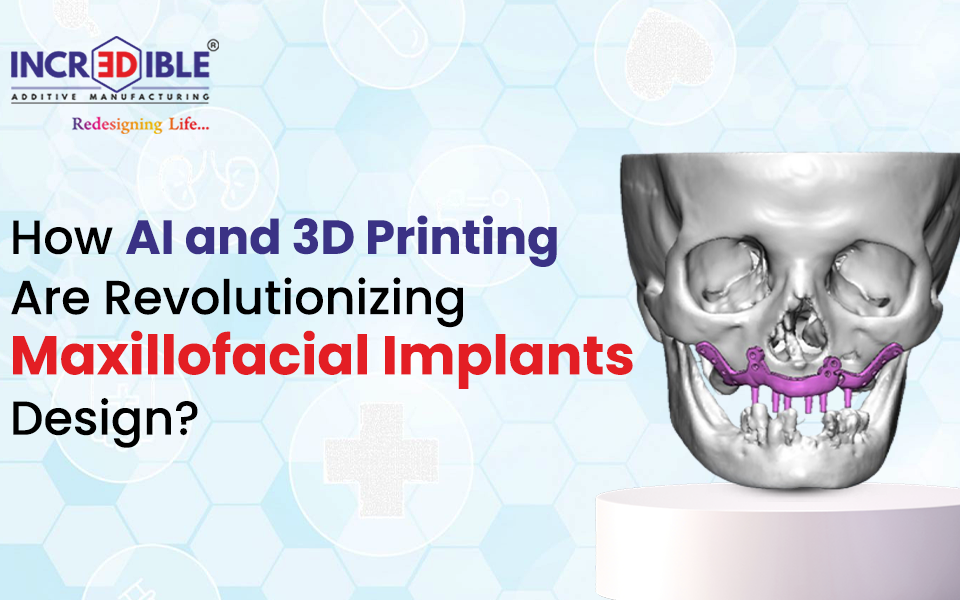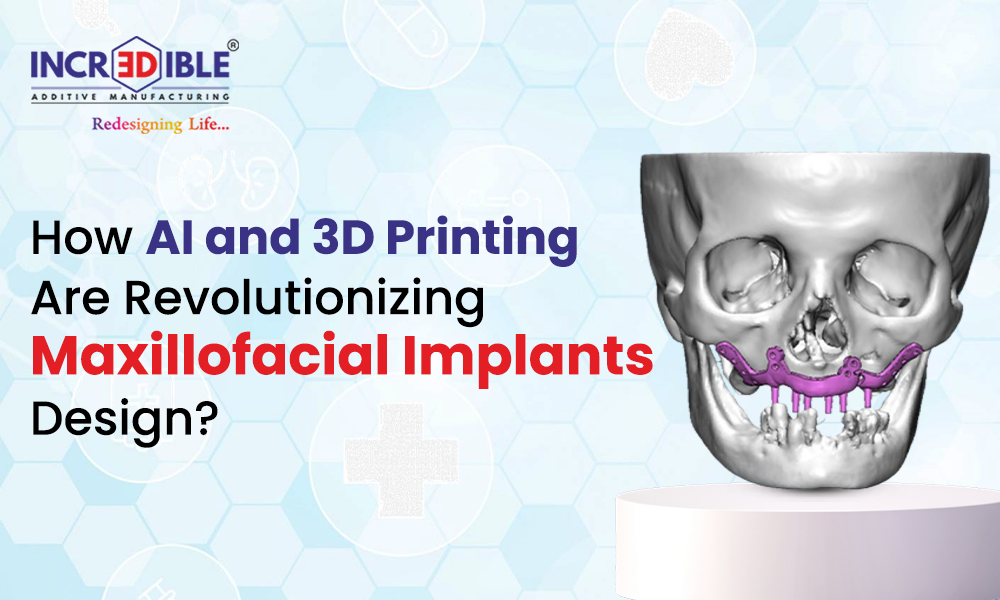
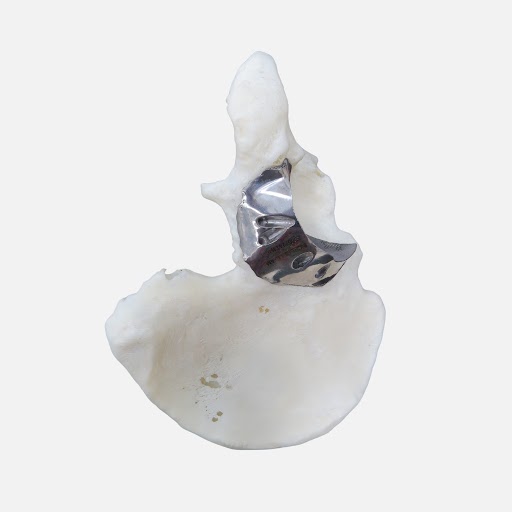
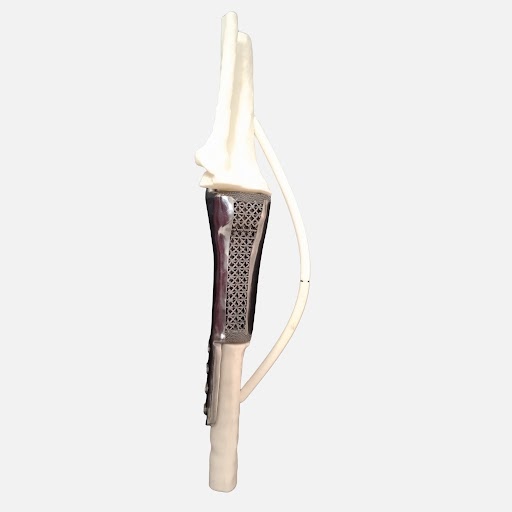
Bone reconstruction can be one of the most challenging aspects of maxillofacial surgery, especially when patients have experienced severe bone loss due to trauma, tumors, infections, or long-term tooth loss. Traditional bone grafting procedures may require multiple surgeries and lengthy healing periods. Titanium Zygoma implants offer an advanced alternative by anchoring into the strong zygomatic bone (cheekbone), providing stable support even when the upper jaw lacks sufficient bone. Their ability to restore function and improve treatment outcomes has made them an important solution in modern reconstructive procedures.
“Titanium zygoma implants help surgeons work with existing anatomy rather than waiting months for extensive bone graft reconstruction.”
When significant bone loss occurs in the upper jaw, conventional implants may not be possible without additional surgical procedures. Titanium zygoma implants provide an alternative by utilizing the dense zygomatic bone for stability. This approach has transformed treatment options for patients who previously had limited restorative possibilities.
Understanding why these implants perform well begins with their unique anchoring approach for Bone reconstruction.
A common example is patients with advanced maxillary atrophy, where traditional implant placement becomes difficult due to insufficient jawbone volume.
Titanium has been widely used in medical devices because it combines strength, durability, and excellent compatibility with the human body. Once implanted, it integrates effectively with surrounding bone through a process called osseointegration.
For patients recovering from facial trauma or surgical tumor removal, this compatibility plays a critical role in long-term success. The material supports healing while providing the stability needed for prosthetic rehabilitation. This is one reason titanium remains the preferred material for many orthopedic, dental, and Maxillofacial implants applications worldwide.
Many reconstruction patients want a solution that helps them return to normal activities sooner. Titanium zygoma implants often simplify treatment pathways compared to procedures requiring extensive grafting and prolonged recovery periods.
The following advantages contribute to improved treatment efficiency and patient satisfaction.
An example can be seen in head and neck cancer reconstruction cases, where restoring oral function efficiently can significantly impact recovery and daily comfort through Custom Titanium implants.
“By providing immediate structural support in challenging cases, zygoma implants help bridge the gap between reconstruction and functional recovery.”
Modern titanium zygoma implants benefit from advanced manufacturing technologies that enable precise dimensions, consistent quality, and patient-specific design possibilities. Digital planning, medical imaging, and additive manufacturing techniques have improved the accuracy of implant placement and surgical outcomes.
These innovations help surgeons evaluate anatomy more effectively before surgery, resulting in improved fit, predictable performance, and better long-term reconstruction success across complex clinical cases using Custom medical implants.
“The combination of advanced titanium materials and digital planning has elevated modern bone reconstruction to a new level of precision.”
Titanium zygoma implants anchor into dense cheekbone tissue, providing dependable support for reconstruction even when upper jaw bone volume is severely compromised.
Many patients can avoid extensive grafting procedures, simplifying treatment plans and potentially shortening the overall rehabilitation journey.
Titanium integrates effectively with surrounding bone tissue, supporting long-term stability and helping maintain successful reconstruction outcomes.
By providing immediate structural support, these implants can help patients regain oral function more efficiently than some traditional reconstruction approaches.
Patients with severe maxillary atrophy, trauma-related defects, or post-tumor reconstruction needs may benefit from this specialized implant solution.
Titanium zygoma implants have become a valuable advancement in bone reconstruction because they address one of the biggest challenges in maxillofacial surgery—insufficient bone volume. By utilizing the strength of the zygomatic bone, they provide reliable support, reduce dependence on extensive grafting procedures, and help accelerate rehabilitation.
Key Takeaways
The strongest advantage of titanium zygoma implants is that they offer a practical solution when conventional implant approaches may not be possible, helping patients regain function, confidence, and quality of life. For advanced implant manufacturing and precision medical solutions, consider 3D Medical for innovative reconstruction support using Custom medical implants.