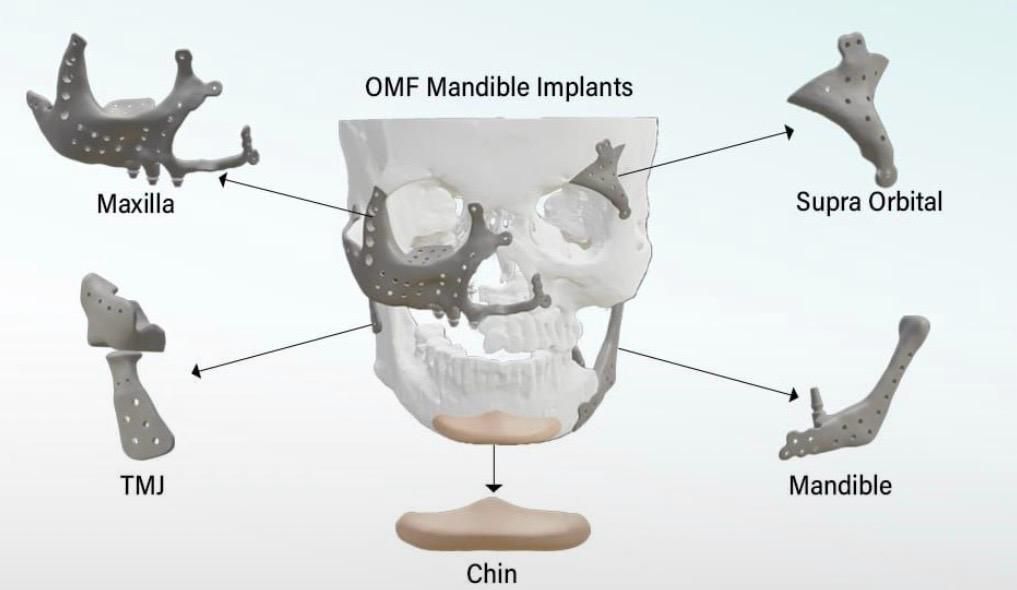
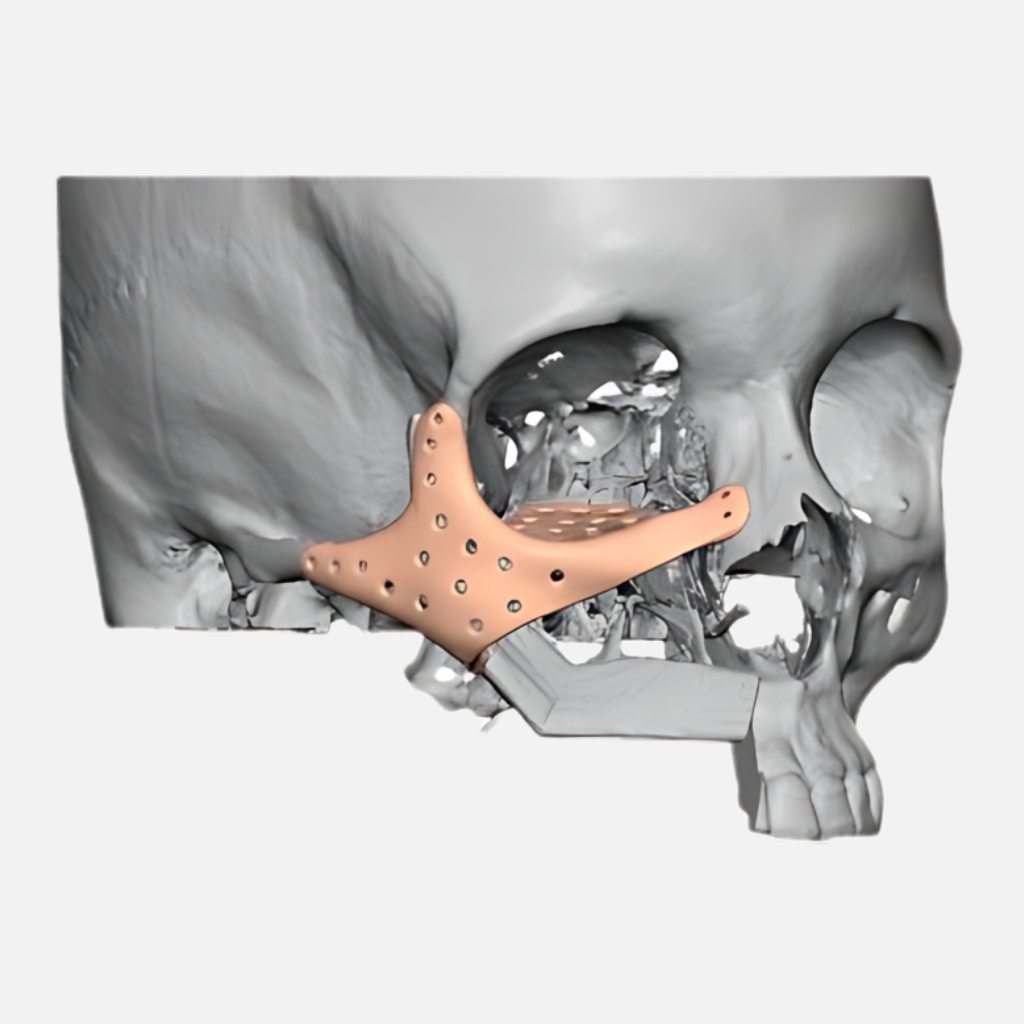
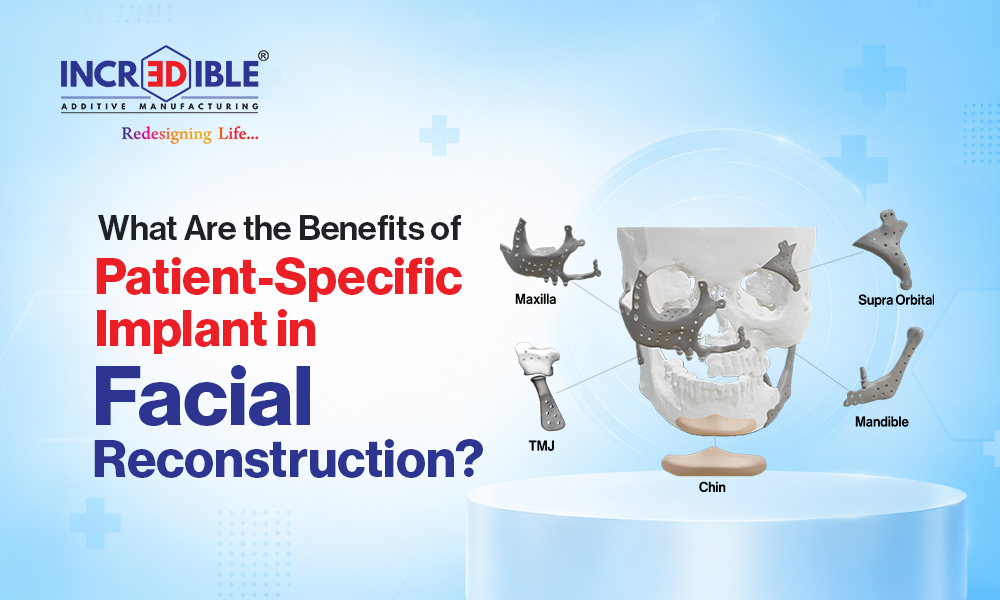
The Oral and Maxillofacial (OMF) implants are undergoing a technological and biological revolution that is driving the field with its combined force. With smart sensors to detect healing, bioactive surfaces, and tissue-engineered scaffolds, the future of 3D printed OMF implants will deliver quickerrecovery and more naturalresults.
“Tomorrow’s OMF implants won’t just replace bone—they’ll communicate, heal, and grow with the patient.”
Smart Implants—Intelligence That Heals
The post-surgical care process is being reinvented by smart implants with the use of micro-sensors and wireless connectivity. These new-generation devices can track the process of bone healing, track temperatures, and track stress in real-time and send feedback to surgeons. To illustrate this, the maxillofacial implants prototypes of 3D Medical enable clinicians to determine the progress of recovery without using invasive scans.
Bioactive Coatings—Real-Life Implants
Traditional implants are made biologically interactive with bioactive coatings through which tissue integration is encouraged. Bioactive coatings in implants reacts proactively with natural bone, speeding up the process of integrating with bone and inhibiting bacterial infections.
Popular coating technologies are:
Hydroxyapatite: Strengthens the bonds of the bone and minimizes the chance of being rejected.
Titanium Nitride: Strengthens surfaces and renders them resistant to corrosion.
These inventions help the implant to be considered a continuation of the body and not an artificial one.
The Future of Tissue Engineering: The Future of Regeneration
Tissue engineering involves a further step in OMF reconstruction in which cells, scaffolds, and growth factors are used in the regeneration of bone and soft tissue. Consider an implant that does not simply seal the space but promotes further tissue formation around it.
“The next generation of OMF implants will not only restore but regenerate.”
One of them is bioresorbable 3D-printed stem cell-infused scaffolds to promote natural bone growth. These regenerative systems reduce the number of secondary surgeries and support long-term structural stability.
Digital in OMF Implant Design
The use of digital technologies such as CAD/CAM systems and 3D simulation has changed the way OMF implants are designed and tested. Surgeons can project the outcome before the operation and make the decision to make changes in data in real-time.
“Digital precision turns surgical planning into predictable perfection.”
Key Benefits of Next-Gen OMF Implants
Smart Monitoring: Release of the real-time data through implants can support timely interventions.
Accelerated Healing: Bioactive surface reduces the healing time and increases tissue bonding.
Regenerative Potential: Tissue engineering permits the natural bone and soft tissue development.
Tailored Construction: Computer-aided models are anatomically accurate and comfortable.
Increased Protection against Infection: Antimicrobial Coatings: Addresses the issue of healing tissue after surgery.
Conclusion—The future of OMF Solutions will be a smarter, healthier future.
The future of oral and maxillofacial reconstruction is unmatched with smart sensors that control the healing process and materials that react to the body and grow with the body.
Summary at a Glance:
Smart implants to give feedback on how to heal in real time.
Natural tissue-bonding bioactive coating.
Solutions that facilitate the growth of bones.
Computer accuracy in implant manufacture and fitting.
Consider 3D Medical to create the new wave of advanced 3D printed OMF implants solutions.