The use of medical-grade metals has revolutionized the practice of implants, where patients are provided with longer and safer alternatives.Patients now get longer-lasting, safer implants thanks to medical-grade metals. With more joint replacements, dental implants, and cardiovascular devices, there’s growing demand for stronger, more biocompatible materials. “Think of it as the gold standard for modern implants.” We will see how these developments in medical grade metals are transforming the future of medical implants and enhancing the quality of care of patients across the globe.
Eliminates scrap: – Reduces material waste by producing only what is required.
Lowers storage expenses: – Minimizes the need for large warehouses.
Responds instantly to market demand:– Lets companies adapt to customer needs quickly.
Key Benefits at a Glance
As we move on to exploring the innovations making a mark today, let us learn more about the key benefits associated with it-
Greater Strength & Safety – Metals like titanium and cobalt-chromium deliver durable, secure implants.
Faster Recovery – Coatings and 3D printing reduce healing time and trauma.
Personalised Care – Custom and shape-memory designs match individual anatomy.
Longer Implant Life – Advanced materials and coatings protect against wear and corrosion.
1. Strong and Biocompatible Titanium Alloys – The Gold Standard of Implants
Titanium alloys stand out for their high strength-to-weight ratio and corrosion resistance. They bond with bone tissue, reducing loosening or implant failure.
“Lightweight but powerful — titanium alloys lead the way.”
Benefits:
Strong yet Light – Durable without heaviness for patient comfort.
Bone Integration – Biocompatible surfaces bond naturally with tissue.
Modern knee replacements often use titanium alloys for a durable yet lightweight solution.
2. Future Coatings to Extend Implant Life – Beyond Longevity
Innovative coatings like hydroxyapatite and ceramic layers enhance implant-body interaction. They promote quicker bone growth, reduce healing time, and protect implants from wear and corrosion.
Dental implants coated with hydroxyapatite, for example, help bone fuse faster for better long-term outcomes.
3. Durable Cobalt-Chromium Alloys – Strength Under Pressure
Cobalt-chromium alloys deliver extraordinary wear resistance and durability, ideal for hip and knee replacements where joints face repeated stress.
Why surgeons choose it:
Smoother Surfaces – New methods create low-friction finishes.
Reduced Wear – Minimises friction and extends implant lifespan.
This makes cobalt-chromium a solid choice for implants subjected to extreme mechanical forces.
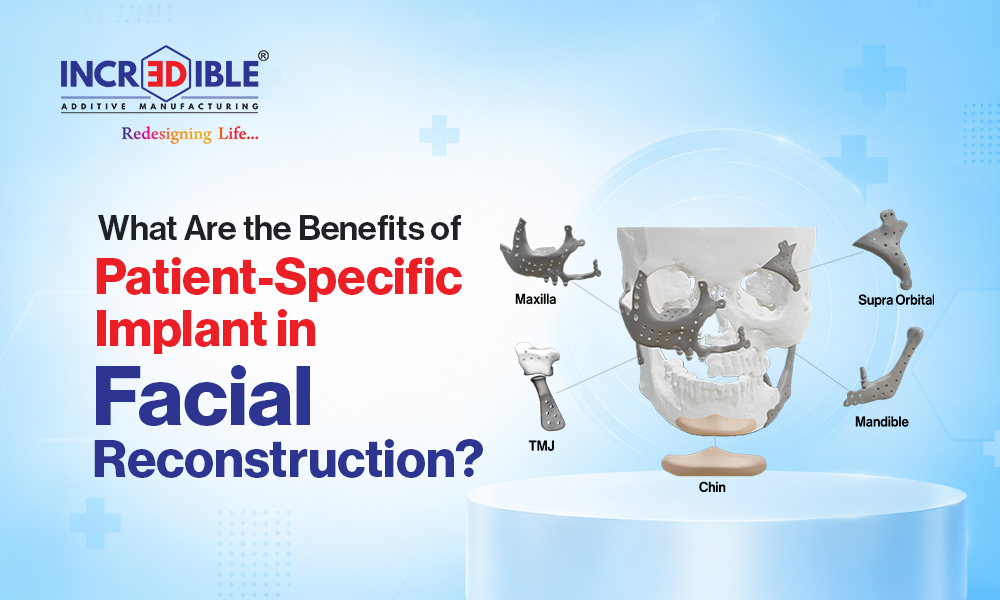
4. 3D Printing in Metal Implants – Custom Designs for Every Patient
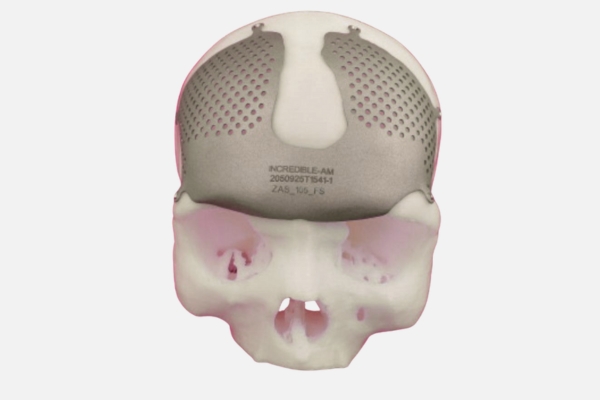
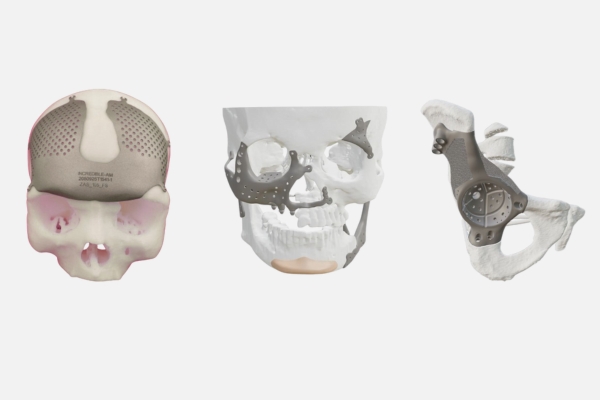
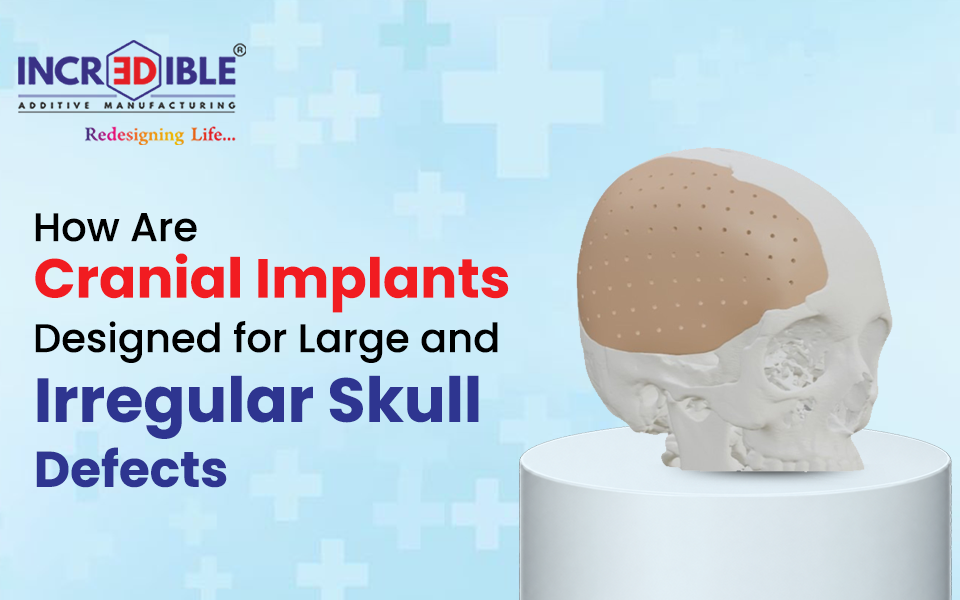
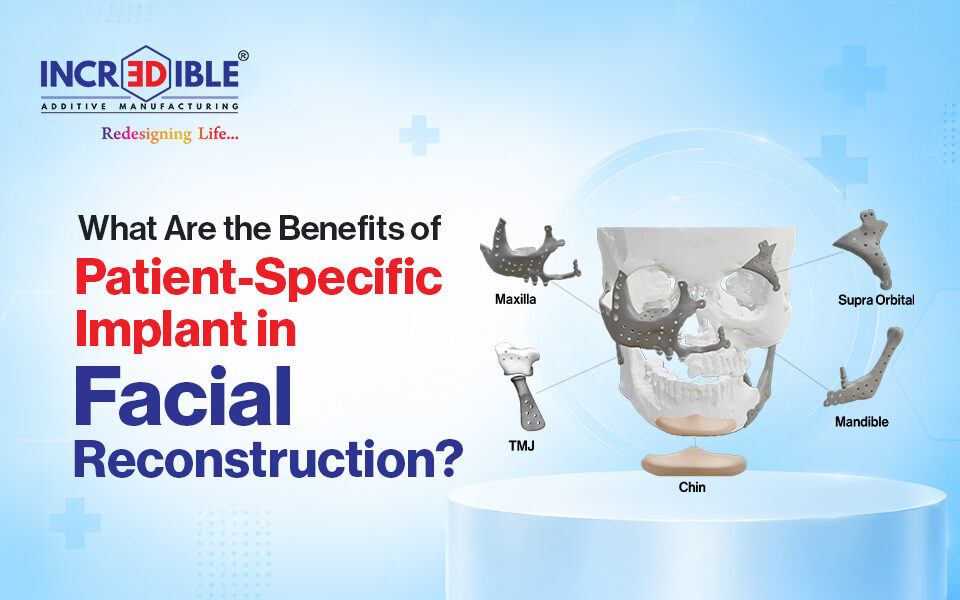
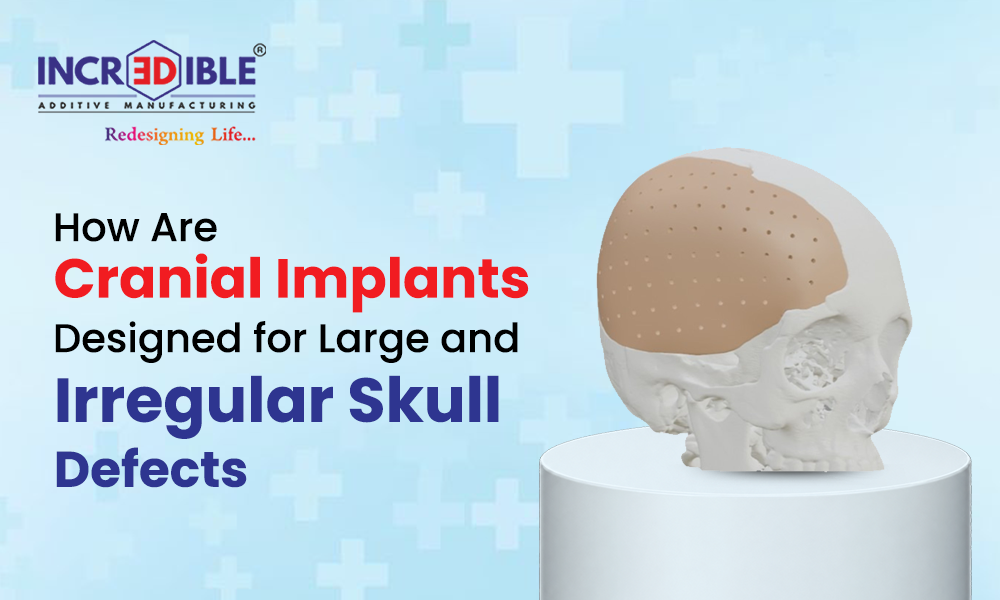
3D printed medical implants now make it possible to create highly customised designs that precisely match each patient’s anatomy. Their porous structures mimic natural bone, which helps the implant fuse better with surrounding tissue. This personalised approach not only improves stability but also speeds up recovery time, giving patients greater comfort and longer-lasting results.
5. Next-Gen Shape Memory Alloys – Smart Metals in Action
Shape memory alloys such as nitinol change shape under heat or pressure. This property allows minimally invasive surgeries, where implants expand to their ideal size inside the body. Their adaptability minimises complications during surgery and recovery, making them one of the most exciting frontiers in implant innovation.
Conclusion – The Future of Implants Looks Strong and Smart
Medical-grade metal innovations are reshaping implants to be longer-lasting, safer, and more integrated with the human body. They improve patient comfort, recovery, and surgical precision.
At Glance Key takeaway-
Titanium alloys bring lightweight stability.
Coatings speed up healing and protect implants.
Cobalt-chromium resists wear under stress.
3D printing personalises fit.
Shape memory alloys reduce invasiveness.
With these advances, the future of medical-grade metals has never been more promising. Millions now have the chance to live healthier, longer lives — and you can explore them with 3D Medical to see how these innovations can work for you.