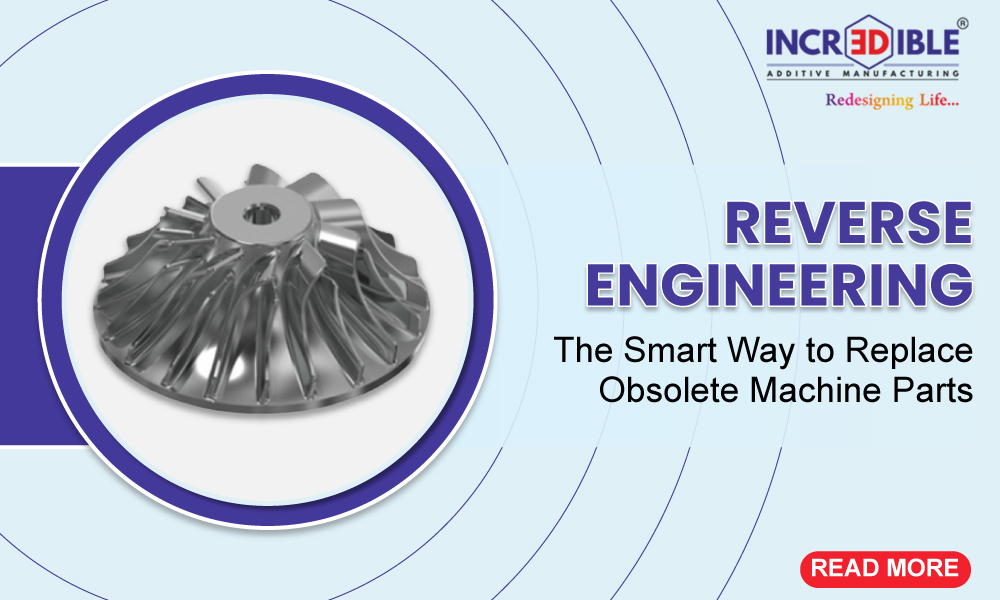
In the busy world of industry now, the parts needed for machines are often out of production by the time they wear out. Reverse engineering is now necessary for those in the manufacturing industry because it helps to economically and efficiently handle replacing parts in older machines. Let us understand how it is the smartest way to replace the obsolete machine parts.
.
Reverse Engineering Helps Keep Legacy Equipment Running
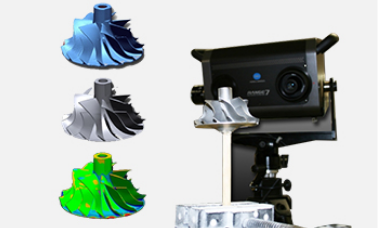
There are many industries where older equipment still does the job, but some of its parts cannot be replaced. In case a part malfunctions, fixing the problem may cost you less than purchasing a brand-new router. Reverse engineering for spare parts allow engineers to check the part, discover its specifications and features, and make a new one that fits. Using 3D scanning and newer modeling tools, businesses can blanket scan or scan parts of old equipment and build replacements that are as good as or better than the old parts.
.
.
It’s a Smart Fix When Blueprints Are Long Gone
A lot of the blueprints we had for older machinery are not clear or even missing. Without them, it was almost impossible to fix or upgrade a part. This problem is fixed by industrial reverse engineering, which begins with the actual part and develops a new design. This information can be kept as a digital file for use in the future or improved by modifying it. It is very helpful in businesses such as restoring cars or making aircraft, where having the right replacement is essential, and the original company has gone out of business. This way, ancient machines get to function and continue to evolve over time.
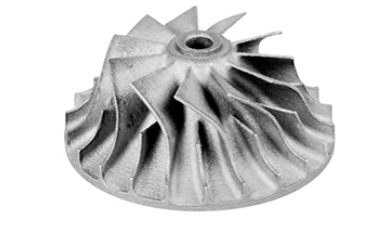
Using high-quality parts results in a better car
Reverse engineering occasionally means not only duplicating an old piece but also making it better. An engineer can examine an existing piece, spot its deficiencies, and improve it by using firmer materials or merging different bits into one. Usually, such an upgrade contributes to the machine working well and lasting longer. By installing new components where old ones are found, we can boost both the efficiency and the durability of the printed circuit board. This allows reverse engineering to improve and modernize a machine during repairs.
.
How could you fix it if the part that broke is no longer sold?
If the manufacturer that produces the main components stops producing them, then it becomes difficult to obtain spare parts. Rather than changing everything, a company can break down and rebuild the necessary component. Engineers digitally recreate and manufacture the same part using 3D scanning and accurate models. It is the most effective method, as it helps save costs and prevents work delays that happen when replacements are not available.
How Does Reverse Engineering Help with Modernization?
When technology develops, some older devices may experience problems with both efficiency and safety. With reverse engineering for spare parts, businesses can boost their machines with only minor design modifications. Old parts are re-examined and improved through upgrading or combining them to achieve higher performance. The process is helpful because it allows companies to improve their equipment, often ensuring higher speeds, better safety, and greater reliability.
Conclusion
Using industrial reverse engineering allows businesses to find affordable, smart, and effective solutions when parts for old machines are no longer available. Ensuring the device continues to work, restoring vintage designs, or increasing the efficiency of the system all result in clear benefits. At 3D Engineering, expert designers rely on innovative equipment to bring back high-quality components that adhere to stringent rules. When you can’t find fake movie props, you can count on 3D Engineering to provide dependable and accurate solutions that introduce modern technology to your work.