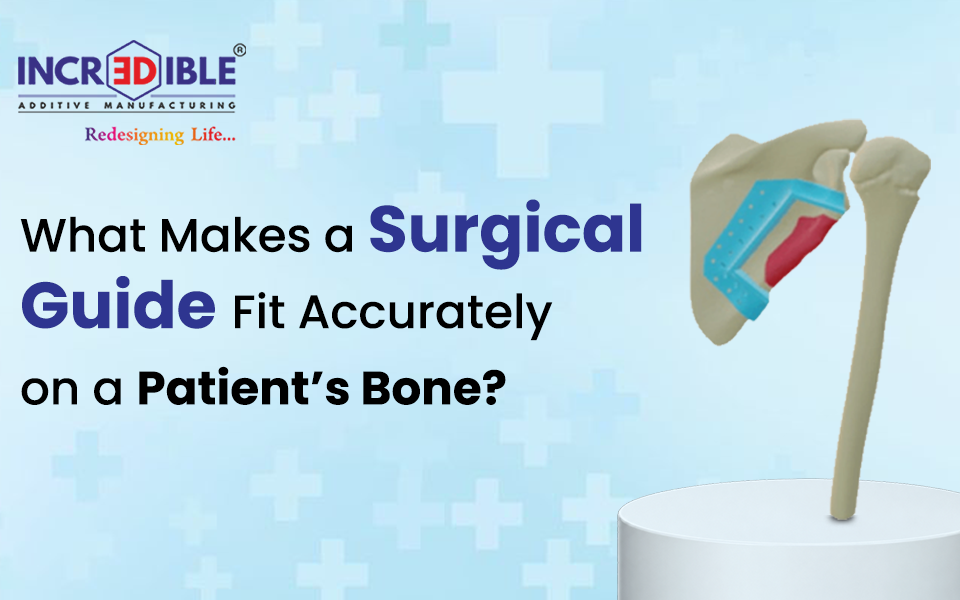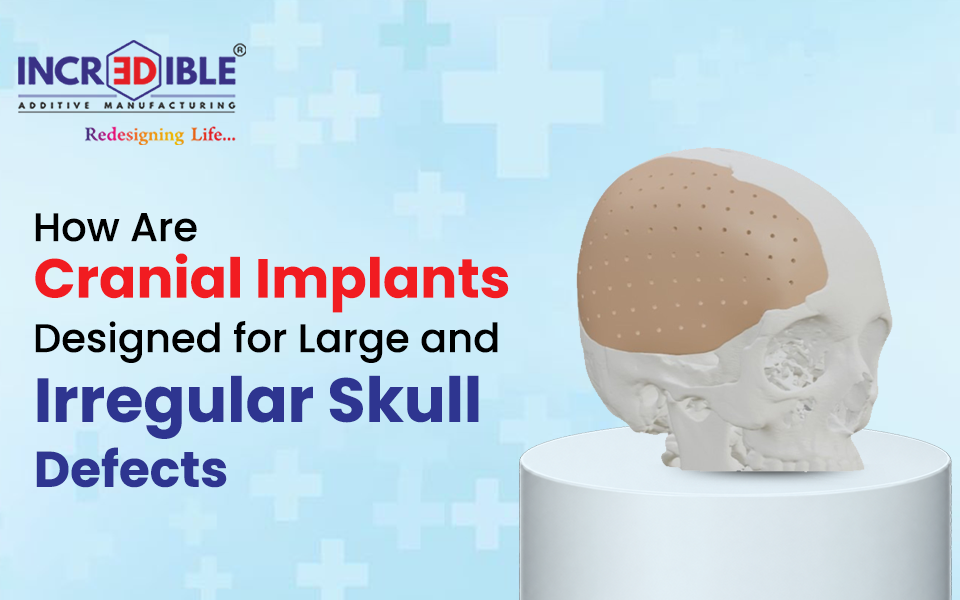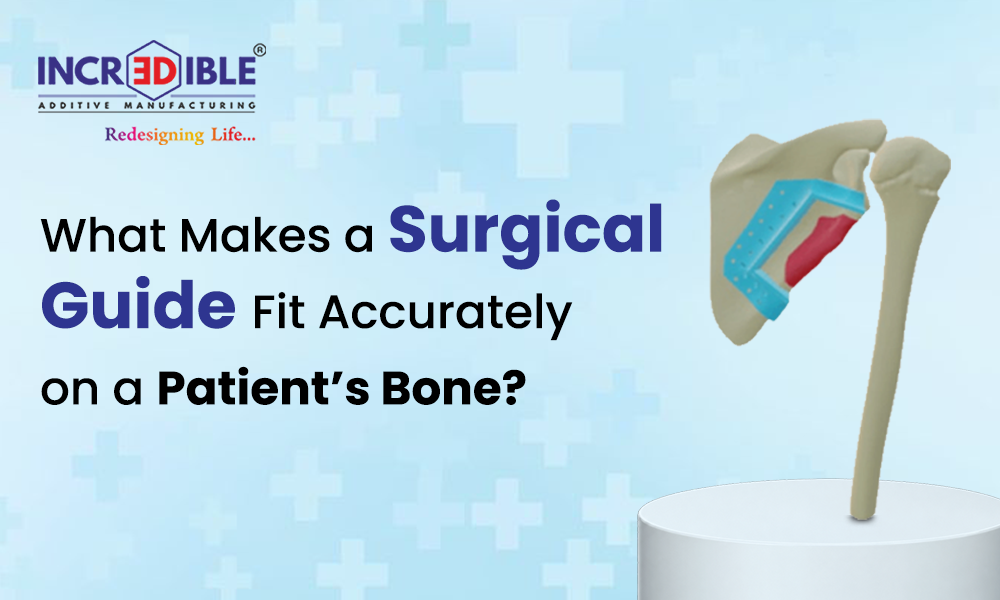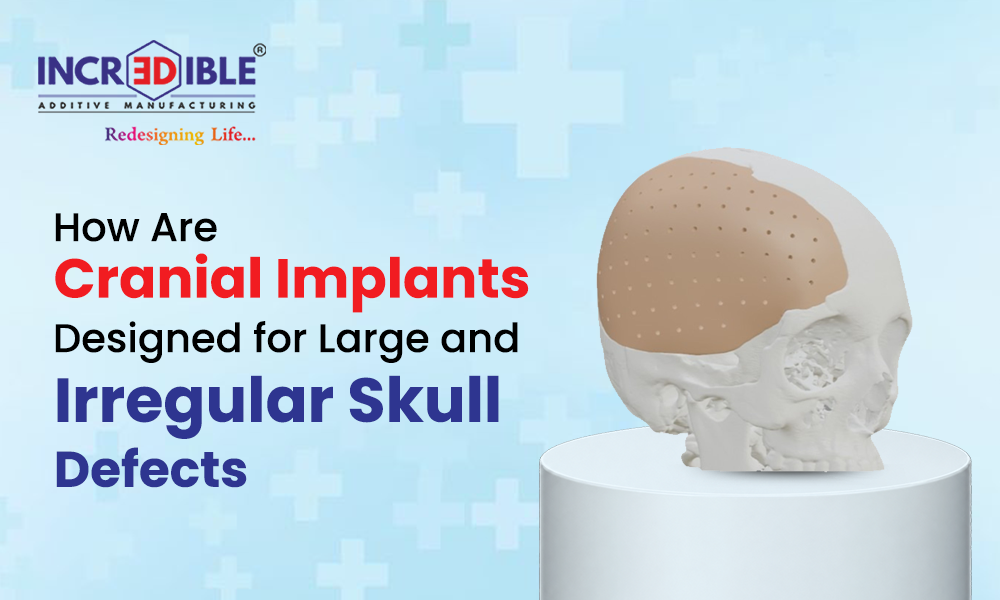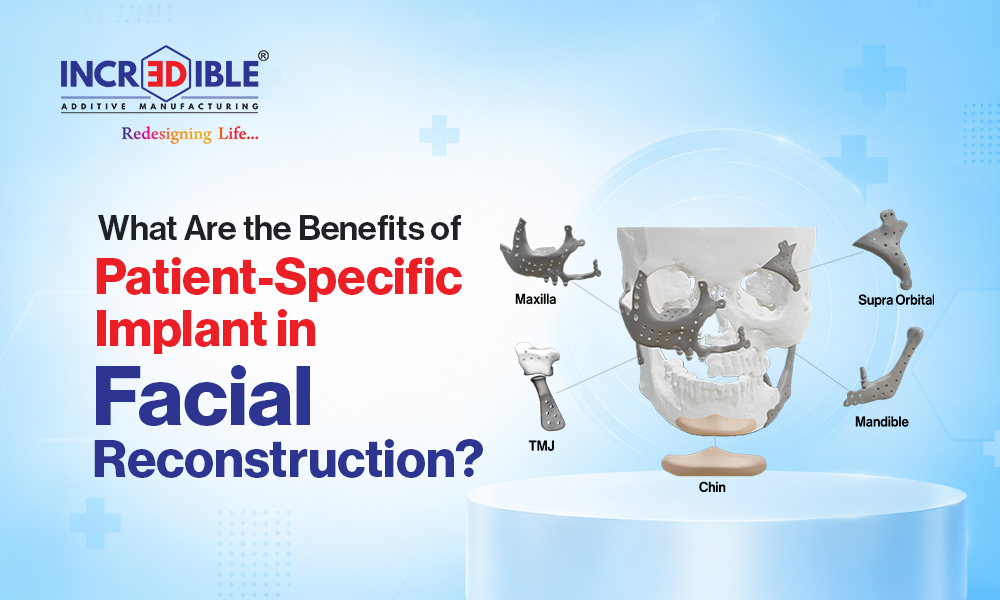
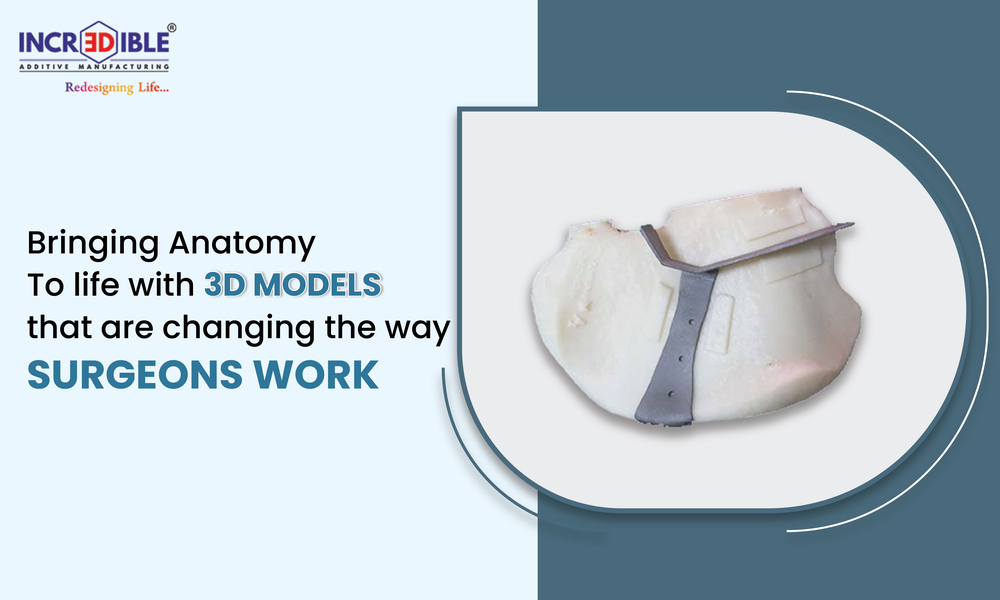
Surgeons now have the tools of 3D printing to make advancements in every area of their preoperative work. 3D-printed anatomy models replicate exact replicas of a particular patient’s body parts. Surgeons can handle precise replicas of a patient’s internal structures and organs right in the operating room. These anatomy models are transforming the way surgeons approach a variety of surgical procedures. This innovation combines technology and medicine to increase accuracy, reduce operative time, and deliver patient-specific care.
3D Models Are Enhancing Every Step of Surgical Planning
Doctors become much more adept at analyzing a patient’s anatomy and modeling the best approach to a surgery when they use 3D anatomy models. The 3D-printed models are made from patient data and allow medical professionals to understand complex anatomical features using a tangible model. Surgeons gain insight by examining the models preoperatively and preparing for what may come during surgery. The practical nature of working with 3D models increases both surgeon confidence and precision during surgery. Patients experience shorter surgeries with less risk and more efficient healing afterward.
Medical Education and Patient Communication Are Getting a Real-World Boost
3D models offer unique educational and communication advantages for use beyond the operating room. These models allow students to transition seamlessly from theoretical representations to the actual architecture of the human body. Students can hone their skills on real model replicas without danger and master procedures more successfully. 3D models for surgeon’s help patients grasp their illnesses and better prepare for pending surgeries. Patients can now examine their tissue in three dimensions and better understand their diagnoses and medical recommendations.
How Do 3D-Printed Models Change Complex Surgeries?
Medical 3D modeling allow surgeons to analyze in detail the shapes and locations of vital structures within the body. These models significantly reduce operating time and improve the accuracy of procedures in delicate regions. Craniofacial reconstructions, among other demanding procedures, can be better accomplished thanks to individually designed 3D-printed guides and implants.
Why Are Hospitals and Surgeons Adopting This Technology So Quickly?
A shorter duration of surgeries and fewer approaches to our 3D anatomy models result in less time spent in the hospital, ultimately lowering healthcare costs. Both surgeons and patients say the models offer reassurance and help everyone involved in treatment better understand what lies ahead. The increasingly positive outcomes seen in various surgical fields have led to an ever-increasing need for 3D-printed models. 3D print technology is now the gold standard for driving accuracy and tailoring treatments to each patient.
Conclusion
Advanced surgical planning, education, and procedural execution are revolutionized by surgeons using 3D-printed anatomical models. 3D-printed anatomy models offer surgeons the opportunity to both master difficult techniques and share clear insights into challenging medical scenarios. Doctors can now approach operations with greater efficiency, diminished risks, and improved results for their patients. More advanced versions of 3D-printing technology will revolutionize the way surgery is performed in the years ahead. Choose 3D Medical for all your 3D print model needs and elevate your surgical planning.