Defence systems depend on thousands of specialised components that must perform reliably under demanding conditions. However, traditional manufacturing can involve lengthy production cycles, expensive tooling, and supply chain delays. Metal 3D Printing offers an alternative by building components layer by layer from digital designs. This approach allows engineers to create intricate shapes, consolidate assemblies, and manufacture replacement parts on demand. For defence manufacturers, it supports faster development, greater design flexibility, and improved equipment availability.
“The future of defence manufacturing lies in producing the right component when and where it is needed.”
1. How Does Metal 3D Printing Accelerate Component Development?
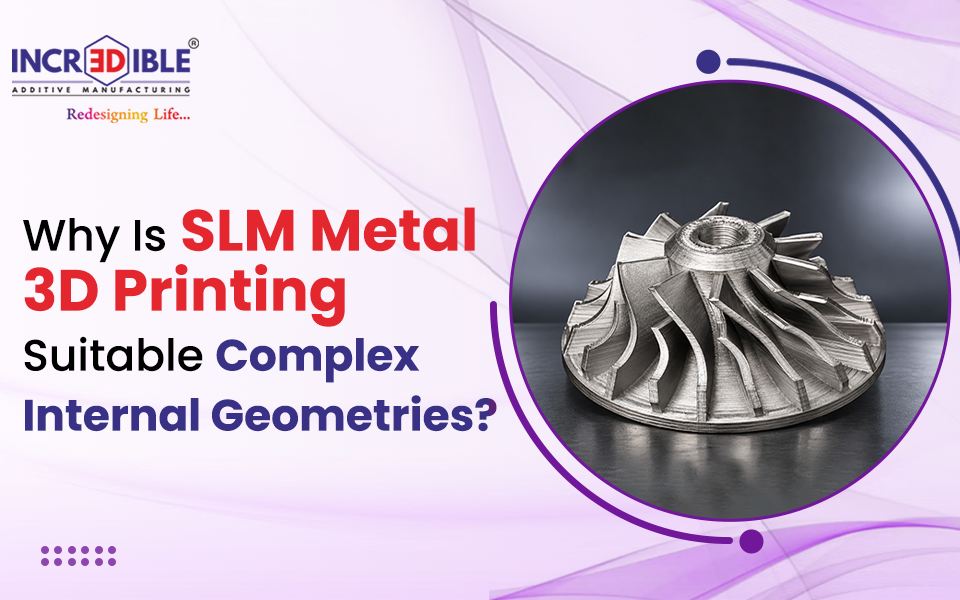
Conventional manufacturing often requires specialised tools and multiple machining operations before a component is ready. Metal additive manufacturing uses a laser to fuse fine metal powder according to a digital model, building the part layer by layer. This eliminates the need for dedicated tooling in many applications and simplifies design iterations.
For example, engineers can produce replacement brackets, equipment housings, and mounting components for military vehicles without recreating an entire traditional production setup.
2. How Does It Enable Complex Component Designs?
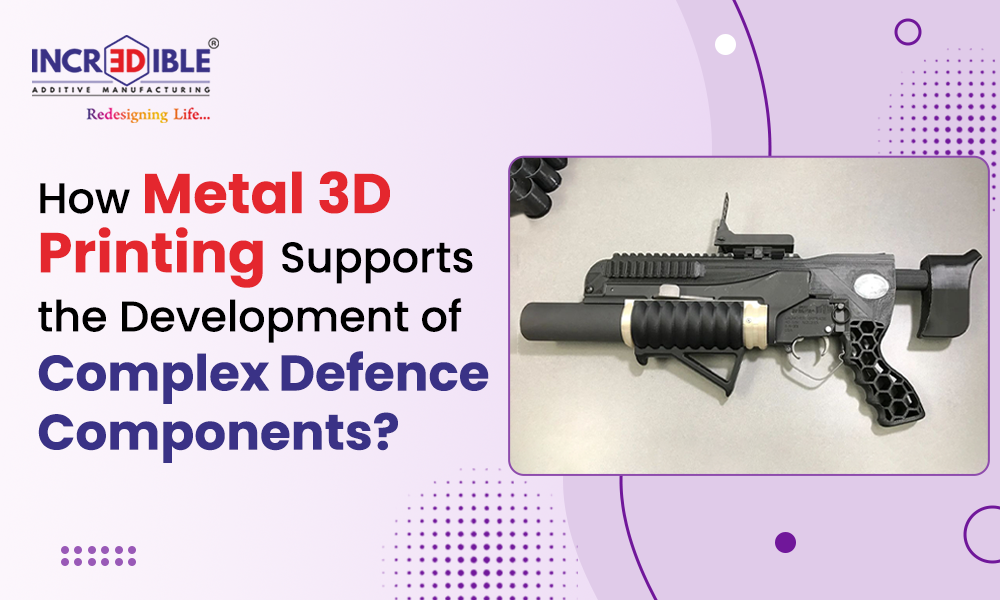
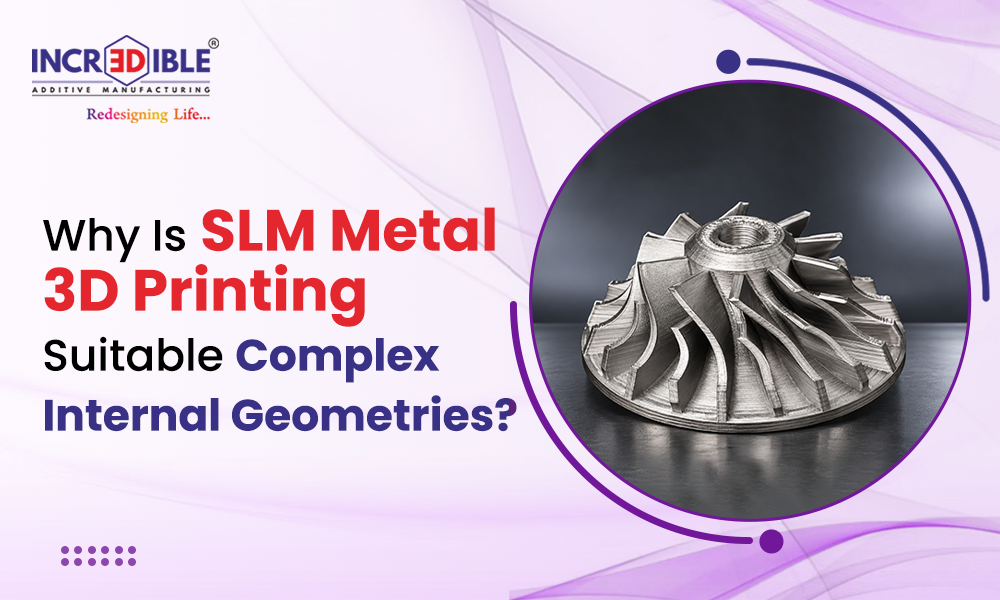
3D printing for complex defence components allows engineers to create internal channels, intricate lattice structures, and consolidated assemblies that are difficult to manufacture using conventional methods. By selectively fusing metal powder, the process creates features directly from digital designs without requiring cutting tools to reach every surface.
For instance, heat exchangers with optimised internal channels can improve heat transfer in demanding applications. These designs can support thermal management in defence electronics and other mission-critical equipment, subject to performance testing.
3. Why Is It Valuable for Legacy Defence Equipment?
Military aircraft, naval vessels, and ground vehicles may remain operational for decades, even after their original suppliers discontinue certain parts. Digital manufacturing allows engineers to recreate eligible components from existing CAD files or carefully reverse-engineered designs.
A replacement housing for an older vehicle, for example, may be manufactured without sourcing obsolete tooling. However, dimensional accuracy, material properties, and safety requirements must be verified before a component is approved for operational use.
“Digital designs can help keep valuable defence assets serviceable long after original tooling disappears.”
4. How Can It Strengthen Defence Supply Chains?
A 3D printing service for defence can support on-demand production and help manufacturers respond to changing maintenance requirements. Instead of storing every replacement component physically, organisations can maintain controlled digital inventories and produce approved parts when required.
Local production may shorten transportation and procurement delays, particularly for low-volume or discontinued components. Secure design files, traceable production records, material verification, and strict quality controls remain essential when manufacturing components for defence applications.
“A responsive supply chain starts with accessible designs, qualified production, and reliable quality checks.”
Key Benefits of Metal 3D Printing
Faster Production: Shortens lead times for selected components.
Complex Designs: Creates intricate shapes and internal channels.
Legacy Equipment Support: Reproduces discontinued parts from digital designs.
Supply Chain Flexibility: Enables on-demand production closer to maintenance sites.
Material Versatility: Supports alloys suited to demanding operating conditions.
Conclusion
Metal 3D printing benefits complex defence component development by combining design freedom, on-demand production, and advanced material options. Its layer-by-layer process enables intricate geometries, integrated structures, and replacement components that may be difficult or expensive to manufacture conventionally.
Key takeaways:
Enables intricate component designs and internal features.
Supports faster development and selected spare-part production.
Helps maintain legacy equipment and improve supply chain flexibility.
Requires rigorous testing and qualification for operational reliability.
For specialised manufacturing requirements, consider 3D Incredibles for metal 3D printing and engineering solutions tailored to complex industrial and defence components.