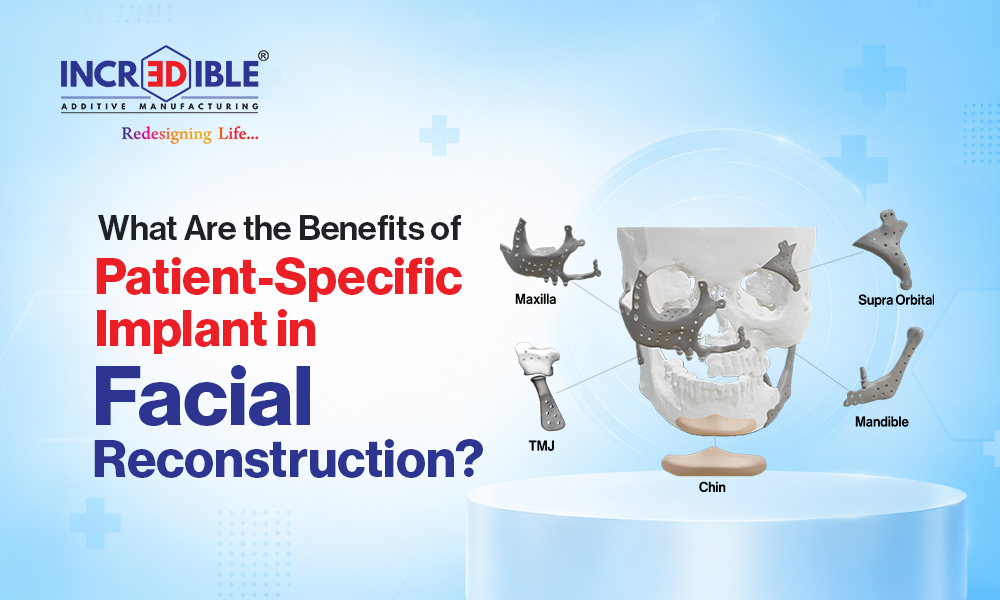

Craniofacial reconstruction is often challenging because of the complex processes involved in regular function. The traditional process includes certain tweaks but has low predictability of results. Innovative tactics utilizing 3D-printed surgical guides are dramatically changing the way these operations are carried out. They’re changing the practice of craniofacial reconstruction. Precision is enhanced, patient outcomes are improved, and surgeons feel more confident using these tools.
Using Custom Guides Significantly Improves Precision and Surgical Efficiency
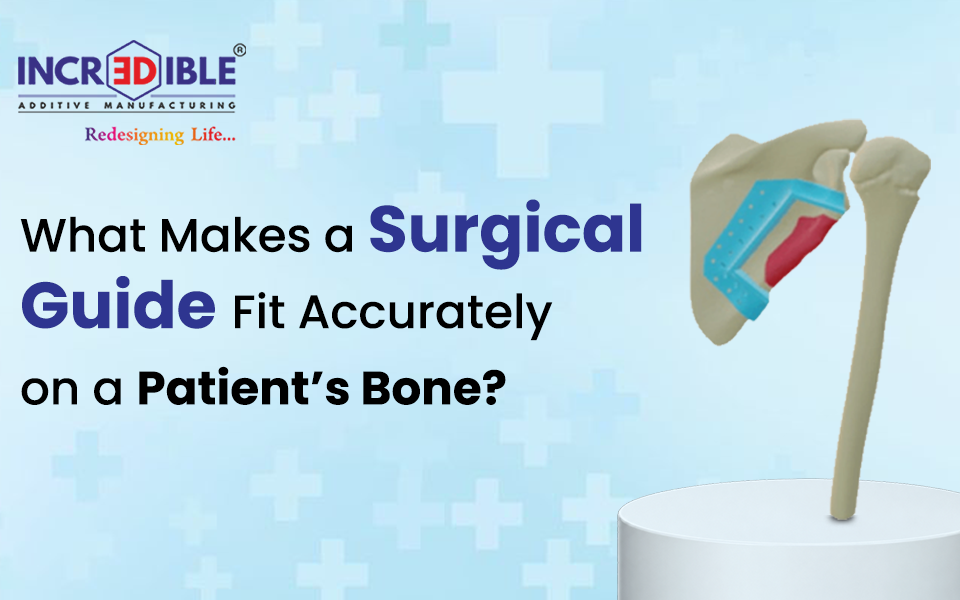
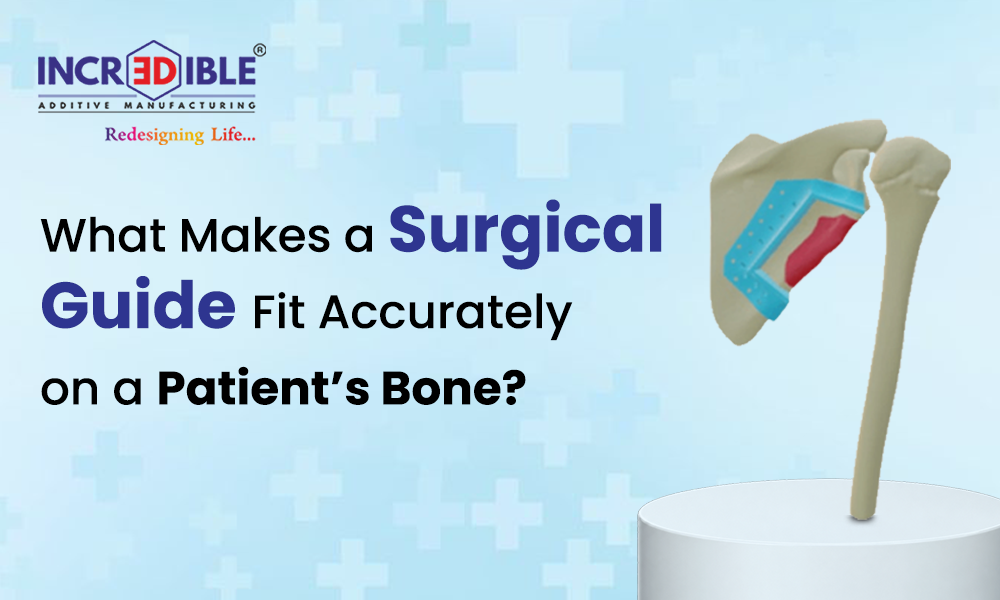
3D-printed guides provide unparalleled accuracy in craniofacial reconstruction surgeries because they are tailor-made for each patient. Surgeons can precisely plan implant placement, adjust the shape of bone grafts, and select incision sites before the procedure using these guides. Converting digital surgical plans into physical guides eliminates many potential sources of inaccuracy. Shorter operating times and better functional and aesthetic outcomes are the combined advantages. Greater efficiency and predictability are achieved thanks to reduced reliance on intraoperative modifications during surgical procedures.
3D Printing Aids the Healing and Restoration Process
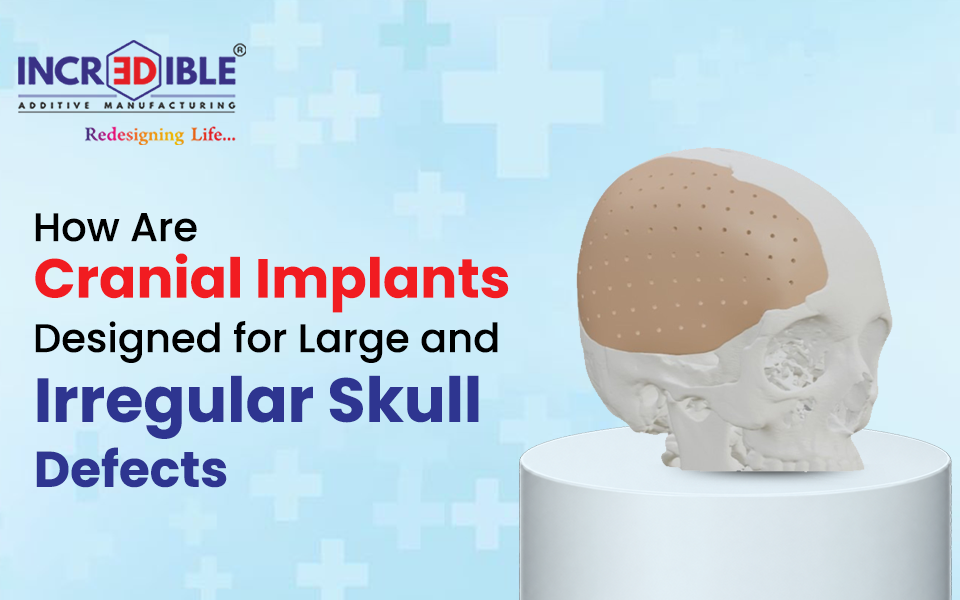
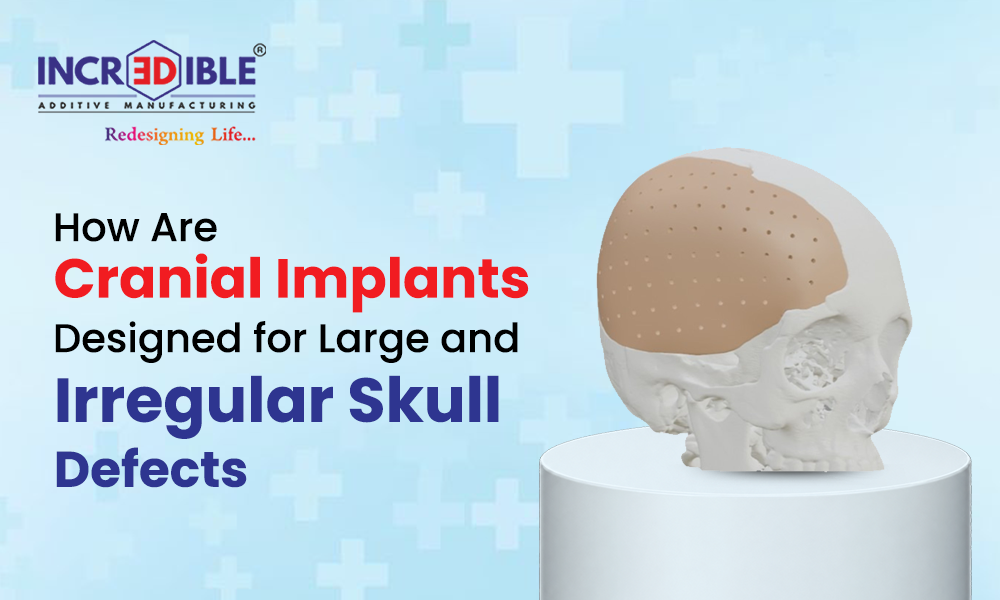
3D printing’s greatest strength in craniofacial surgery comes from its ability to be applied in various ways. Its usage enables the fabrication of realistic prostheses to restore functionality in affected regions. 3D-printed surgical guides are used in reconstructive cases to guide the correction of bone defects, successfully placing implants and creating customized fixation devices. Engineers are able to design scaffolds that encourage new tissues to form so that the body can naturally regrow missing or damaged structures.
How Do 3D-Printed Surgical Guides Improve Surgical Planning?
3D-printed guides introduce the exact dimension and shapes of the tissues to assist outpatient care. Specifically, how do they improve the planning process for surgeons? Surgeons can mimic an operation and familiarize themselves with the patient’s anatomy by producing an anatomical model. An advanced preoperative planning result in improved surgical decisions, quicker operating room time, and few complications. As a result, surgeons gain better spatial awareness and are more confident in intervening with improved results.
How do 3D-printed guides impact patients after their surgeries?
Still, what effects do these guides have on patients outside of the operating room? Patients gain insights about their anatomy as surgeons use the 3D models to explain the procedure. More accurate craniofacial reconstruction surgeries tend to lead to speedier recuperation periods. Additionally, these guides minimize the need for second operations, lower complication risks, and help keep expenses down. Thus, 3D printing offers patients overall benefits far beyond mere surgery.
Conclusion
Advancements made in 3D printing for medical industry are revolutionizing craniofacial reconstruction by enabling procedures to become safer, more efficient, and better targeted. 3D printing technology is revolutionizing the field of reconstructive surgery by both repairing the face and improving how patients recover after surgery. Both surgeons and patients are empowered to improve results and speed up healing. 3D printing services continue to advance by tightly connecting personalized digital plans to uniquely made guides. For the most challenging craniofacial surgeries, turn to 3D Medical to access intelligently designed 3D-printed solutions that promise better outcomes for every case.