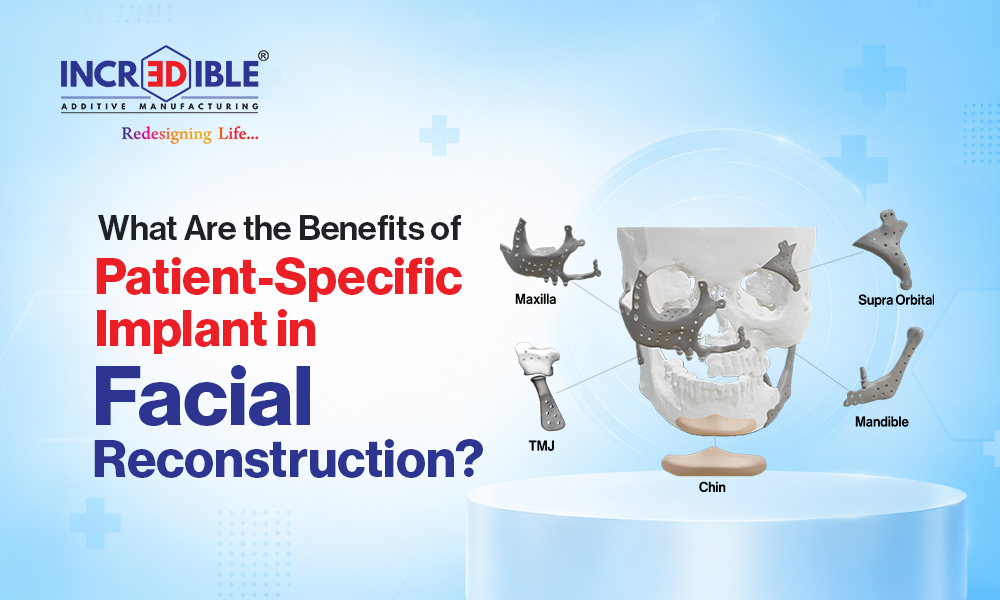
In neurosurgery, restoring the skull is not just about protection—it directly affects brain safety, appearance, and long-term recovery. Traditional, one-size implants often fail to match complex skull anatomy. Patient-Specific Cranial Implants solve this challenge by aligning precisely with a patient’s anatomy, improving outcomes and confidence for surgeons and patients alike. As digital planning and advanced manufacturing evolve, customized solutions are becoming essential in modern neurosurgical care.
“In cranial surgery, precision is not optional—it is critical for both function and recovery.”
Understanding Patient-Specific Cranial Implants in Modern Care
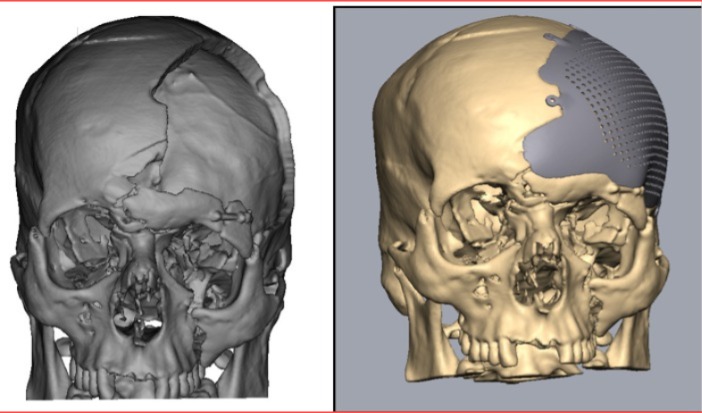
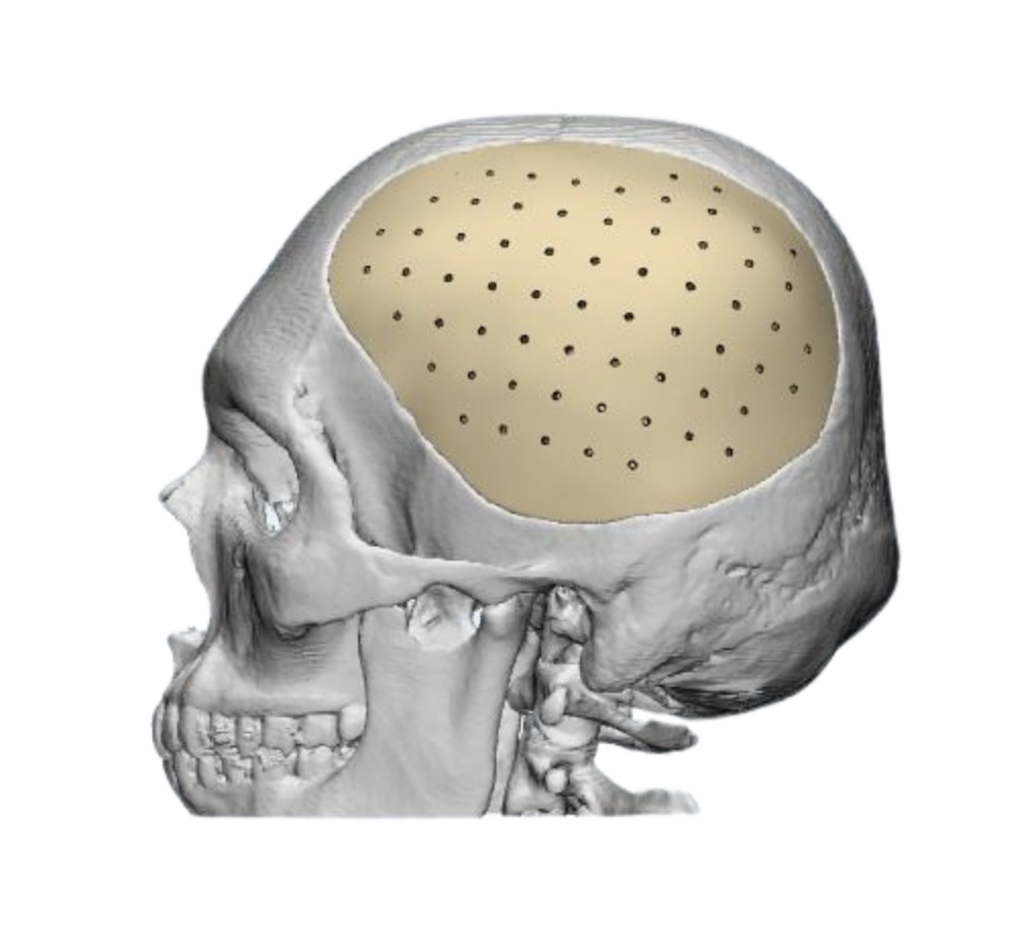
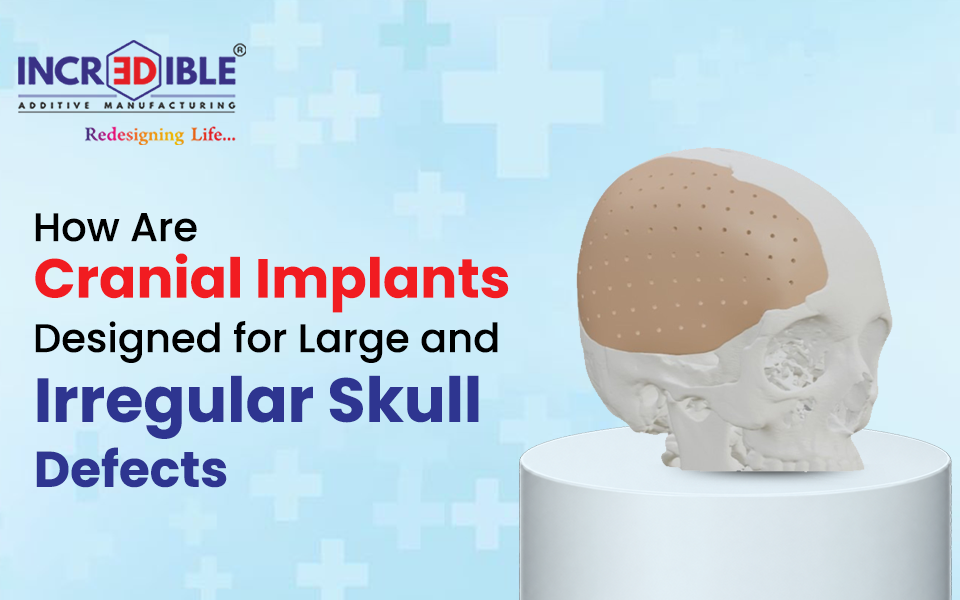
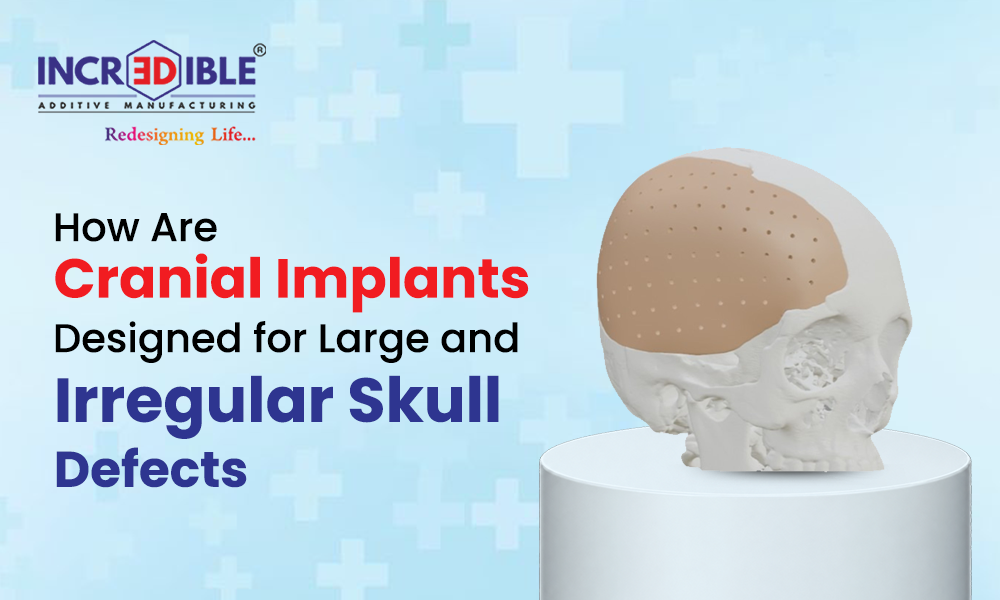
Unlike standard implants, Custom Cranial Implants are designed using a patient’s CT scan data. This approach ensures an exact anatomical match, helping surgeons restore skull integrity after trauma, tumors, or decompressive craniectomy. By matching the natural contours of the skull, these implants support both protection and aesthetics, reducing surgical uncertainty and improving post-operative stability.
How Customization Improves Surgical Precision
Before implantation, surgeons need absolute clarity on fit and placement. Customization supports this by aligning implant design with surgical intent. This becomes especially important in complex cases involving asymmetrical skull defects.
For example, in traumatic brain injury cases following road accidents, customized implants help restore skull geometry accurately, avoiding gaps or pressure points.
Exact anatomical fit – Designed from patient imaging for precise alignment
Reduced surgical time – Less intraoperative modification required
Role of 3D Printed Cranial Implants in Reconstruction
3D Printed Cranial Implants play a major role in modern Cranial reconstruction by enabling complex geometries that traditional manufacturing cannot achieve. Engineers and surgeons collaborate digitally to finalize designs before production, ensuring predictability during surgery.
For instance, after tumor resection in glioma patients, printed implants help reconstruct large cranial defects while maintaining symmetry and protective strength.
Complex shape capability – Supports irregular and large defect designs
Consistent quality – Digital workflows ensure repeatability
Faster readiness – Shorter lead times compared to conventional fabrication
“Digital design and additive manufacturing have transformed cranial reconstruction from reactive repair to planned restoration.”
Why Advanced Manufacturing Like DMLS Makes a Difference
Advanced cranial implants often rely on DMLS metal additive process that builds implants layer by layer using medical-grade materials. DMLS works because it creates dense, highly accurate structures with controlled porosity, supporting bone integration while maintaining mechanical strength—critical for long-term cranial protection.
“DMLS enables cranial implants to balance strength, accuracy, and biological compatibility in a single process.”
Key Benefits
Improved Surgical Accuracy Precise implant fit minimizes intraoperative adjustments, allowing surgeons to focus on safe placement and reducing overall surgical complexity.
Better Patient Recovery Accurate reconstruction supports brain protection and symmetry, which can positively influence healing, comfort, and long-term patient satisfaction.
Predictable Outcomes Digital planning and manufacturing reduce variability, helping surgical teams anticipate results with greater confidence.
Design Freedom for Complex Cases Advanced manufacturing enables customized solutions for irregular defects that traditional implants cannot adequately address.
Conclusion
Patient-matched implants have reshaped neurosurgical reconstruction by combining digital planning with advanced manufacturing. From trauma care to tumor-related skull repair, customization improves safety, accuracy, and patient outcomes.
Quick Recap
Enables precise anatomical fit
Supports complex cranial reconstruction cases
Improves surgical efficiency and predictability
Enhances long-term protection and aesthetics
Uses DMLS to deliver strong, reliable implant performance
Because DMLS produces dense, accurate, and biologically compatible implants, it is ideal for high-performance cranial components. For tailored neurosurgical solutions that balance precision and performance, consider 3D Medical for the best patient-specific cranial implant approach.