We rely on thousands of components in today’s defence systems and need these components at the right time and place. This is where traditional manufacturing may pose difficulties, as it can take weeks or months to manufacture and deliver spare parts. Metal 3D Printing is altering the way such items can be made, offering a new way for faster, more flexible, and highly precise production. The use of additive manufacturing in the defence sector is increasing as technology in military equipment becomes more sophisticated, allowing defence organisations to keep their equipment ready for use and make the supply chain more efficient.
“The future of defence maintenance is not storing more spare parts—it is producing the right part exactly when and where it is needed.”
How Does SLM Make Defence Spare Part Production Faster?
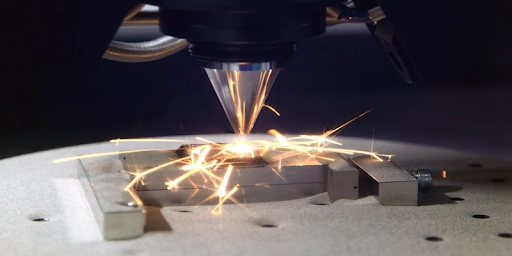
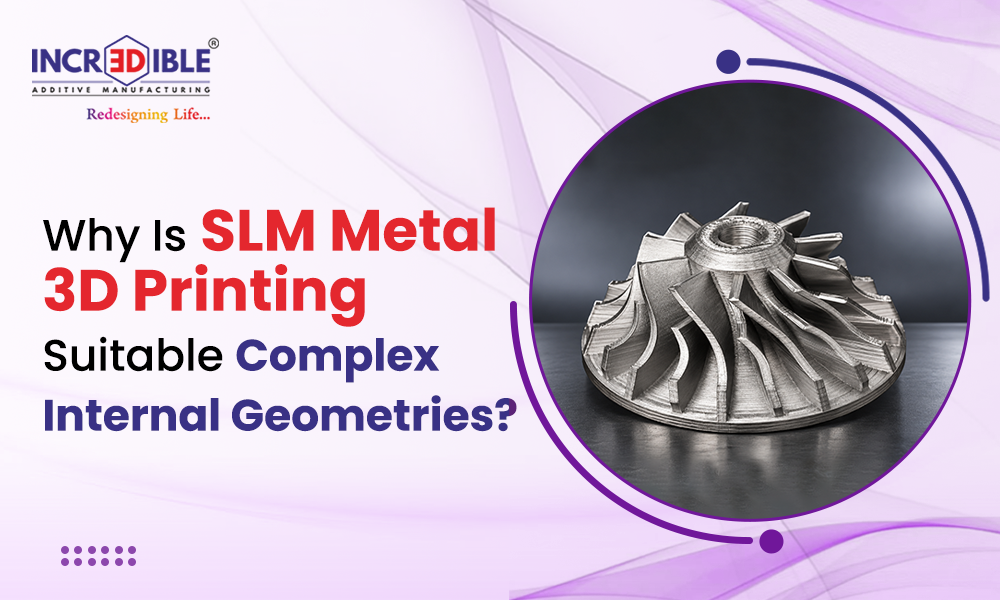
In these cases, defence can have requirements that are only available in the market but, due to long lead times, are unavailable at the time of need. The SLM technology is based on the process of layer-by-layer fabrication of fully functional parts from fine metal powder, using a high-powered laser.
This process can do away with complex tooling and shorten the production cycle greatly.
Rapid part production
Digital inventory management
Minimal tooling requirements
On-demand manufacturing
Faster equipment readiness
For instance, military maintenance teams can manufacture replacement brackets, housings, or other customised connectors without having to rely on traditional supply lines through advanced 3D printing services.
Real-World Defence Applications Are Driving Adoption
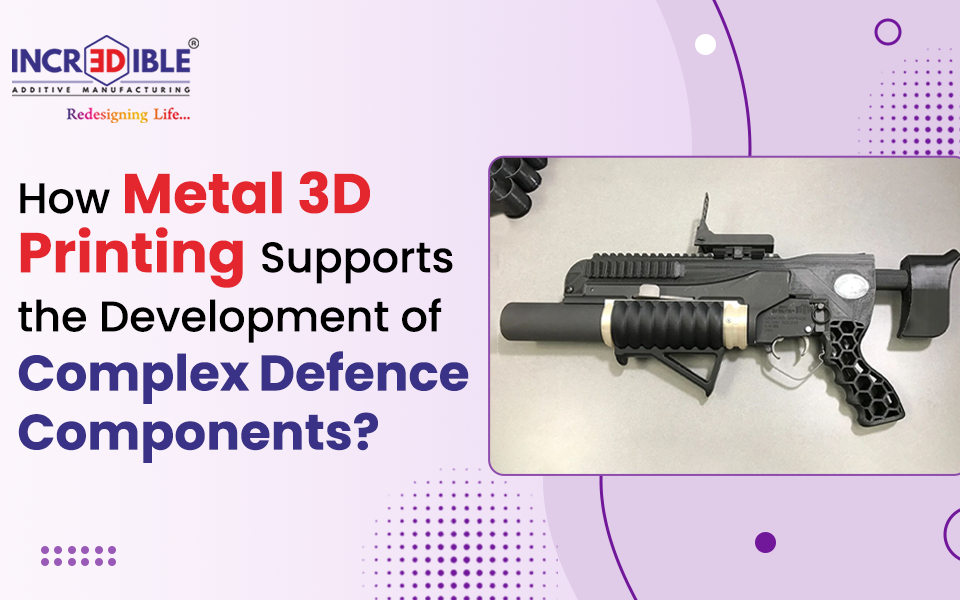
The growing use of metal 3D printing in defence demonstrates its practical value. Organisations worldwide are using additive manufacturing to support mission-critical operations and extend the service life of equipment.
The U.S. Department of Defence has researched AM parts for replacement parts, and naval forces have utilised 3D-printed parts in ship maintenance. In like manner, the aerospace defence sector is increasingly turning to metal AM for engine parts and structures through 3D metals Printing for defence.
Such applications demonstrate the capabilities of SLM technology to create parts with complex geometry and the same quality and to ensure the continuity of the operation.
Why Is Metal 3D Printing Ideal for Legacy Defence Equipment?
Several defence platforms continue to be in service for many years. As time goes by, it becomes challenging to find replacement parts as original manufacturing tools may no longer be available. Metal 3D printing is a solution here, as it allows creating parts directly from digital models. This enables the engineers to reproduce obsolete components whilst ensuring the specification and performance requirements are met.
Maintain support for legacy systems. Continue support of legacy systems.
Replacement of parts that were discontinued
Minimise reliance on suppliers.
Extended equipment lifespan
Improved maintenance flexibility
One positive example is the development of 3 D printed defence spare parts for older military aircraft and vehicles, where conventional sources of spare parts and components have become difficult.
“When original tools disappear, digital manufacturing keeps critical defence equipment operational.”
How Does Metal 3D Printing Strengthen Defence Supply Chains?
Any disruptions in the global supply can impact the supply of critical military components. Metal 3D printing offers a more robust solution and allows for local manufacturing near where the parts are needed.
Qualified digital designs could be stored by defence organisations, and components could be manufactured as and when required, thereby avoiding the maintenance of large stockpiles. This will help to enhance the responsiveness and support strategic readiness.
“Digital inventories combined with metal 3D printing create a smarter and more responsive defence supply chain.”
Key Benefits
Faster Availability
Manufacture of parts is possible directly from the digital files, assisting defence teams to obtain essential parts more quickly than standard manufacturing processes.
Complex Geometry Production
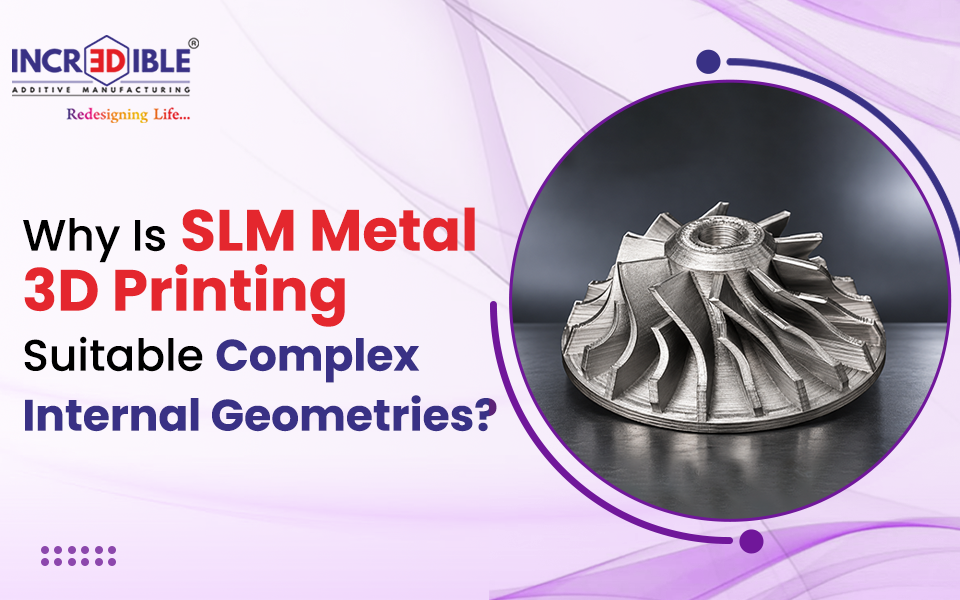
With SLM, complex internal structures and advanced designs are possible, which are difficult to realize with conventional manufacturing methods.
Lower Inventory Burden
Digital part libraries can minimise the need to keep large numbers of spare parts in several different locations.
Legacy platforms are supported
Obsolete or discontinued parts can be accurately duplicated, and this can be used to increase the service life of valuable defence assets.
Enhancing Supply Chain Resilience
Local manufacturing ensures that businesses can better cope with disruptions, delays, and critical maintenance needs.
Conclusion
The Metal 3D Printing of metals is shaping up to be the way of the future for the production of defence spares due to swiftness, accuracy, flexibility and supply chain resilience. The use of technologies such as SLM opens the door for defence organisations to print on demand complex parts, service an ageing fleet, and more.
Key Takeaways
Acceleration of the production of critical spare parts
Support for existing defence systems
Migrated away from traditional supply chains. Lessened reliance on traditional supply chains.
Manufacturing of tremendously complicated metal parts
Better availability of machinery and better use of it.
Metal 3D printing is a viable and scalable approach for producing modern spares in a realistic way for defence forces that are always striving for readiness and efficiency. 3D Incredible is a reliable partner to provide its clients with trustworthy additive manufacturing expertise.