Innovation in product development often depends on how quickly ideas can be tested and improved. Traditional manufacturing methods can slow down this process because creating molds, tools, and production parts takes time. Rapid Prototyping helps engineers evaluate designs faster, identify issues earlier, and move from concept to production with greater confidence. By creating physical models quickly, teams can experiment, refine designs, and accelerate innovation across industries ranging from aerospace to medical devices.
“The faster engineers can test an idea, the faster they can transform it into a successful product.”
Turning Ideas into Physical Models Faster
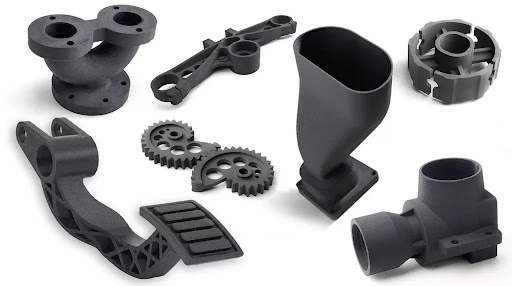
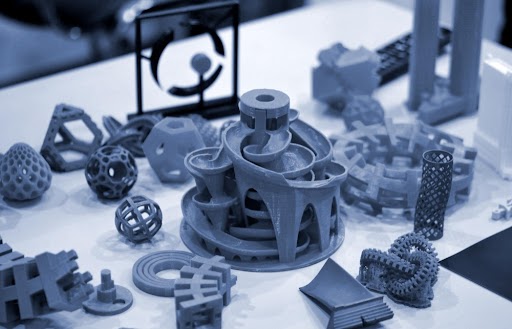
Every new product starts with an idea, but engineers need a physical model to verify performance and functionality. 3D Printing Prototyping allows designers to create prototypes within hours instead of weeks, making design validation much more efficient.
For example, automotive engineers often print dashboard components and assembly fixtures to evaluate fit and functionality before investing in production tooling. This shortens development cycles and helps teams make informed design decisions earlier.
Three Ways Rapid Prototyping Improves Design Development
Before a product reaches production, multiple design iterations are usually required. Rapid prototyping services make these improvements faster and more cost-effective by enabling continuous testing and refinement.
Faster Design Iterations – Engineers can quickly modify CAD files and produce updated prototypes for evaluation.
Early Problem Detection – Functional testing helps identify design flaws before manufacturing begins.
Improved Team Collaboration – Physical prototypes make it easier for designers, engineers, and stakeholders to review concepts together.
Supporting Real-World Performance Testing
A prototype is more than a visual model. It allows engineers to evaluate how a design performs under realistic conditions. This practical testing helps ensure products meet performance requirements before entering production.
For example, medical device manufacturers often prototype surgical guides and equipment housings to verify ergonomics, assembly, and functionality. This approach helps improve product reliability while minimizing costly redesigns later in development.
“Testing a design in the real world often reveals insights that digital models alone cannot provide.”
How Engineering Teams Use Rapid Prototyping
Modern Engineering Design relies heavily on prototype-driven development because it provides valuable feedback throughout the design process.
Concept Validation – Confirm that the original design idea functions as intended.
Functional Testing – Evaluate strength, fit, and operational performance.
Customer Feedback – Gather user input before finalizing production designs.
Manufacturing Readiness – Verify assembly requirements and production feasibility.
“Rapid prototyping bridges the gap between digital concepts and manufacturable products.”
Key Benefits
Faster Product Development
Physical prototypes can be produced quickly, allowing engineering teams to move through design stages and approvals much faster than traditional methods.
Lower Development Costs
Identifying design issues early helps prevent expensive tooling modifications, production delays, and repeated manufacturing adjustments.
Better Product Quality
Multiple testing cycles at Incredible 3D allow engineers to optimize performance, functionality, and reliability before final production begins.
Improved Innovation
Teams can experiment with new concepts more freely, encouraging creative problem-solving and advanced product development.
Conclusion
Rapid Prototyping has become an essential tool for modern engineering teams because it enables faster testing, better collaboration, and more informed design decisions. By transforming digital concepts into physical models quickly, engineers can innovate with greater confidence and efficiency.
Quick Recap
Accelerates product development timelines
Supports faster design iterations
Improves real-world testing and validation
Helps identify issues before production
Encourages innovation and creative problem-solving
Reduces development costs and project risks
For organizations looking to accelerate innovation and improve product development outcomes, Incredible 3D offers advanced prototyping solutions tailored to your project requirements.