Electric cars are transforming the mode of transportation, though enhancing their performance is still a huge task. EV manufacturers are in a continuous pursuit to ensure that the vehicles are made lighter, stronger, and more efficient without necessarily making them more expensive. The conventional production tends to restrict innovation, particularly in producing parts with complexity. In this area, Metal 3D Printing services is really coming in handy to aid in the development of smarter parts that enhance performance and reliability in modern EVs.
“The future of EV performance lies in smarter design, not just stronger materials.”
How Metal 3D Printing Reduces Weight and Boosts Efficiency
The weight is an important aspect of the EV’s performance, particularly in terms of battery range. The 3D printing of metals enables designers to come up with lightweight but durable components through sophisticated structures.
The following is the way it assists in real-world EV applications:
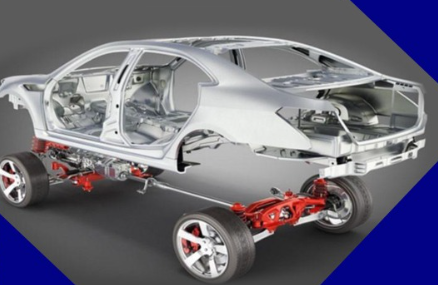
Battery housings contain optimum designs and minimize the weight of the entire vehicle. • Strength: Redesigned brackets of motors are made to reduce mass without adding extra weight. • Structural parts enhance efficiency and do not affect safety.
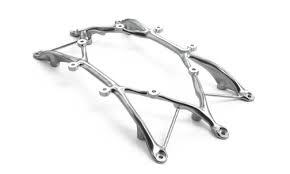
For example, lightweight motor brackets created through metal 3D printing help improve energy efficiency, allowing EVs to travel longer distances on a single charge.
Enhanced Durability with Optimized Component Design
With the use of metal 3D printing, precision engineering is possible, and all the components should be manufactured in such a way that they are capable of managing stress and wear. It does not reinforce all the areas, but instead makes the very critical areas stronger with metal 3D printing for automotive industry.
This method enhances longevity as well as minimizes the possibility of machine failure. As an example, EV cooling systems that are optimized in terms of metal structures will be able to handle the heat better and increase the battery life, as well as the overall performance of the vehicle.
Complex Geometries for Better Performance
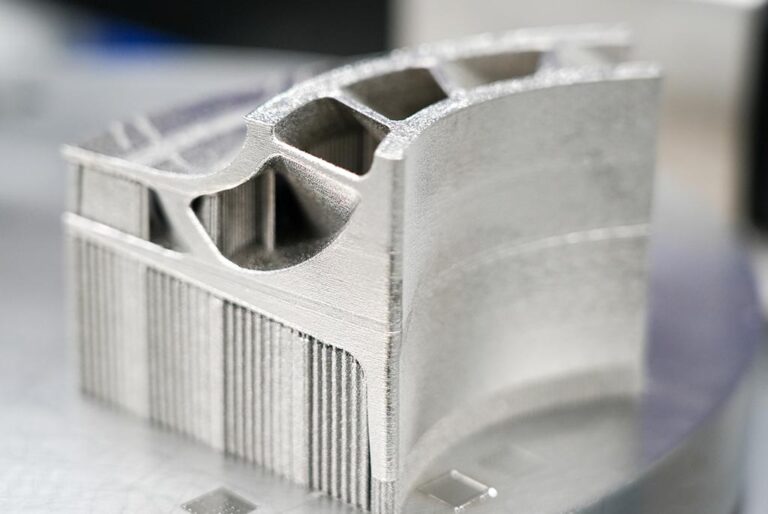
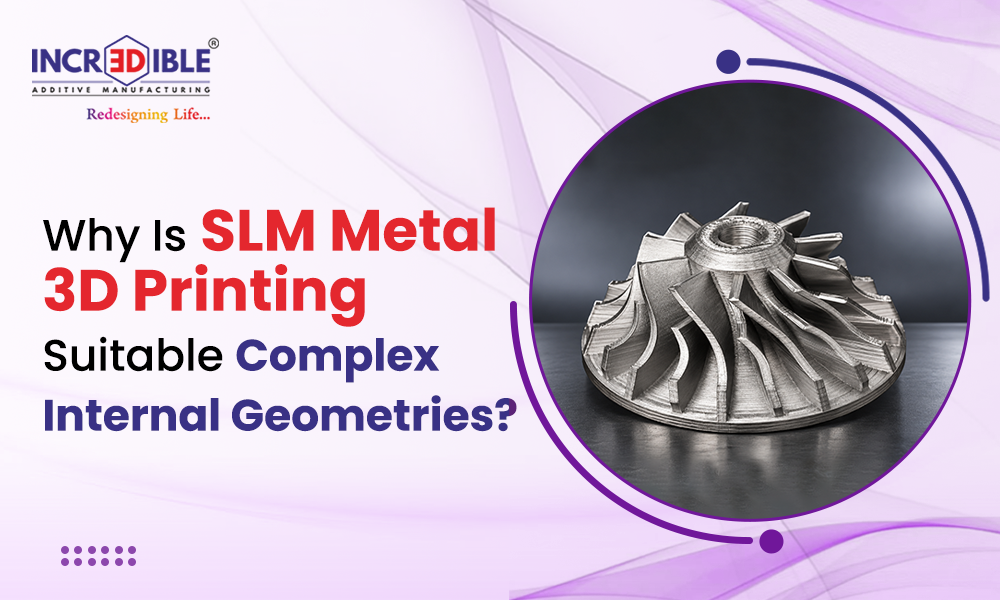
This is one of the largest benefits of metal 3D printing because it allows making complicated shapes, which are impossible to make with traditional techniques. This opens the innovative EV component design.
This is made possible by the following:
Complex design—Allows complex interior designs to enhance functionality. • Custom solutions—Customized solutions to various EV models. • Integrated parts. This is when several components are integrated into one structure.
An example of this is the production of heat exchangers that have elaborate internal channels, which are more efficient in managing the heat in EV systems.
“When design limitations disappear, innovation takes the lead.”
Faster Production and Cost-Effective Innovation
The 3D printing of metal enhances the design process in addition to accelerating the whole development process. It promotes fast prototyping, whereby the manufacturers are able to test and improve the parts in a very short time with benefits 3D printed component in EV.
This saves on the time of development, and in the long run, the production costs are reduced. Rather than taking weeks to create and manufacture the traditional parts, engineers are able to create and test some parts in days, resulting in quicker innovation and improvement of EVs.
“Speed, precision, and efficiency—metal 3D printing brings it all together.”
Key Benefits of Metal 3D Printing in EV Design
Lightweight Performance: This method of vehicle design allows the reduction in the vehicle’s weight to a very large extent, and the result of this is that the vehicle will be much more efficient in terms of battery efficiency, and the driving range will also be higher, without affecting the structural strength.
Enhanced Durability – Designs components that are more stress-resistant and cause less wear and a longer lifespan of vital EV components.
Design Flexibility: -Facilitates complicated and tailored design that improves performance and can easily incorporate various functions.
Material Efficiency—Only the necessary metal is used, and this reduces the waste, which promotes sustainable production.
Rapid development – Rapid prototyping and manufacturing, which can assist manufacturers in launching superior EV technologies in the market in the shortest possible time.
Final Thoughts: Is Metal 3D Printing the Future of EV Innovation?
The EV design is being revolutionized through metal 3D printing, which is integrating efficiency, durability, and innovation into a single design.
The main effects of it were as follows:
Reduces weight to increase battery performance. • Improves the longevity with the help of optimized designs. • Enhances complicated and high-performance parts. • Increases the pace of development and lowers the cost of production.
With the further development of EV technology, the introduction of innovative technologies in production is one of the methods to remain the leader. 3D Incredible offers advanced metal 3D printing solutions to help manufacturers develop smarter and more efficient EV components.