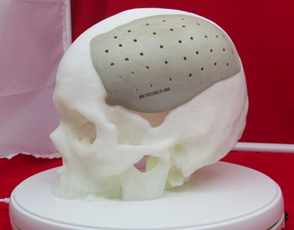
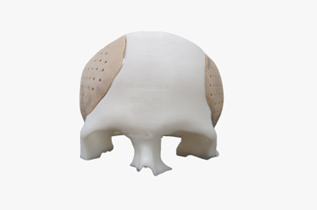
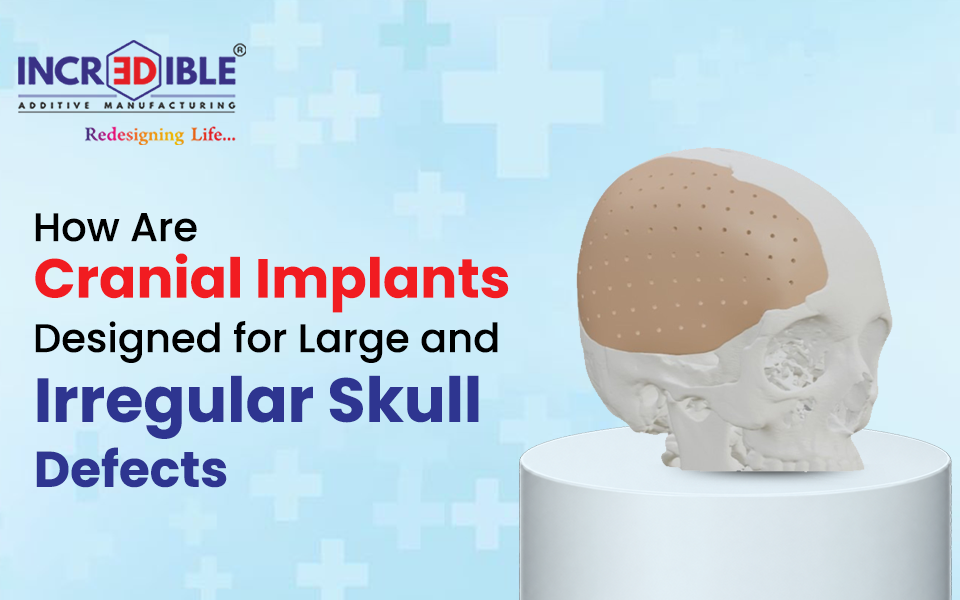
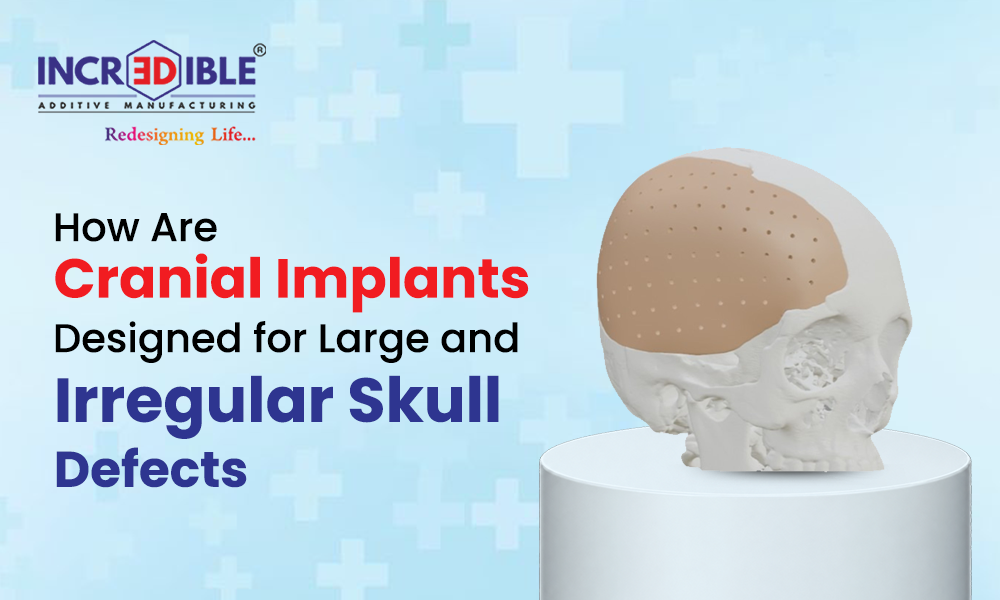
Reconstructing the skull is a valuable step in the recovery of a person who has suffered a serious head injury, tumor surgery, or skull defect. There are now modern medical materials in place that not only provide protection but also the natural shape of the skull. PEEK (polyether ether ketone) is one of the materials that are currently being considered in cranial reconstruction. PEEK is well known to be strong, compatible with the human body, and flexible in its design, which has made it a reliable choice when it comes to creating custom cranial implants that can safely and accurately allow rehabilitation to occur, including the development of 3D Printed Cranial Implants.
“PEEK implants are transforming cranial reconstruction by combining strength, precision, and patient-specific design in one advanced material.”
1. Strength That Mimics Natural Bone
The applicability of PEEK cranial implants in the form of proximity to the human bone in terms of strength and flexibility is one of the reasons why surgeons favor it. The balance assists in securing the brain in addition to preserving natural structural support through the use of PEEK material for cranial implant solutions.
Suppose a skull-traumatized patient who is recuperating after being involved in a road accident might require a huge section of bone to be substituted. The PEEK implant is capable of recreating the lost part as well as offering high rates of protection. On the same note, a person who has undergone surgery to remove tumors may be fitted with a specialized immobilization that replaces skull effectiveness without being overweight.
2. Precision Design for Patient-Specific Implants
Cranial reconstruction depends on the customized design of medical devices in the modern era, and PEEK facilitates it rather well. Innovative imaging and computer modeling techniques allow computing and designing implants in the required exact shape of the skull of a patient.
Such a customized procedure enhances the accuracy of surgery and the comfort of the patient.
Precise anatomical fit—The digital scans are used to create implants that fit precisely around the skull of the patient.
Fewer surgical modifications—As the implant is already shaped, the surgeons waste less time modelling the materials in the operating room.
Better aesthetic outcomes– Custom implants will replicate the natural form of the head, and reconstruction will be less apparent.
3. Lightweight and Biocompatible for Long-Term Safety
The other factor that makes PEEK preferred in cranial reconstructions is its biocompatibility and lightweight makeup. The material is compatible with human tissue and does not cause interference with usual medical imaging methods.
These qualities make it a reliable option for long-term cranial repair.
Patient-friendly PEEK is lightweight, and therefore, patients will not feel as pressured as they would with other heavy materials.
PEEK is compatible with imaging scans. PEEK does not block CT or MRI images, and thus doctors can easily monitor the progress.
Minimal symptomatic reactions—It is not likely to lead to post-surgical complications due to its biocompatible properties.
“A material that is both lightweight and biologically compatible allows cranial implants to support healing while remaining comfortable for patients.”
Key Benefits of PEEK Cranial Implants
High Strength with Natural Flexibility PEEK is very much closer to bone mechanical properties, thus being very strong in protecting the brain, yet allowing the flexibility in the cranial reconstruction to be comfortable and stable.
Customized Precision Fit The PEEK implants can be easily designed to reflect the anatomy of the patient with the help of advanced digital design, enhancing the surgical outcomes and restoring the natural look of the skull.
Lightweight Structure PEEK weighs much less than most conventional materials, making it much more comfortable to use by patients and causing less stress to the surrounding tissues when used over an extended period.
Imaging Compatibility PEEK is not affected by CT or MRI images, which means that physicians can observe the process of healing and can assess the implant without any trouble during the follow-up treatment.
“By combining precision design, safety, and durability, PEEK has become a trusted material for modern cranial implant solutions.”
Conclusion
The cranial reconstruction has been a popular trend using PEEK, which is a material that offers strength, customization, and compatibility with human bodies in the long term. Its capability to assist medical functioning and natural beauty makes it very useful in contemporary surgical solutions supported by 3d printed implants.
Quick Recap of Benefits
The strength of bones provides the security of the brain.
Patient-anatomy-specific implants.
Lightweight design to be even more comfortable.
Medically compatible imaging to be easily monitored.
Solutions offered by 3D Medical are the best in terms of specific patient design and advanced cranial solutions and implantation ideas in modern cranial redesigns.