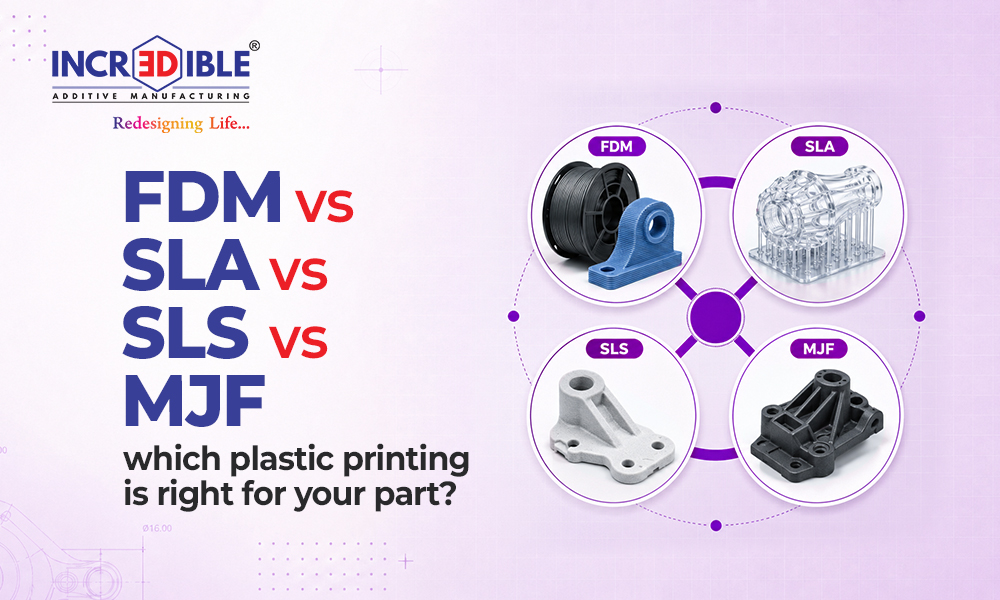
There are several plastic 3D printing technologies available today, each designed for different goals. Some methods prioritize affordability and fast prototyping, while others focus on surface quality, precision, strength, or production scalability. Choosing the right technology depends on how the final part will be used, the materials required, and the desired balance between performance and cost.
“The success of a 3D printed part often depends more on the printing process than the design itself.”
FDM – Fast and Budget-Friendly Prototyping
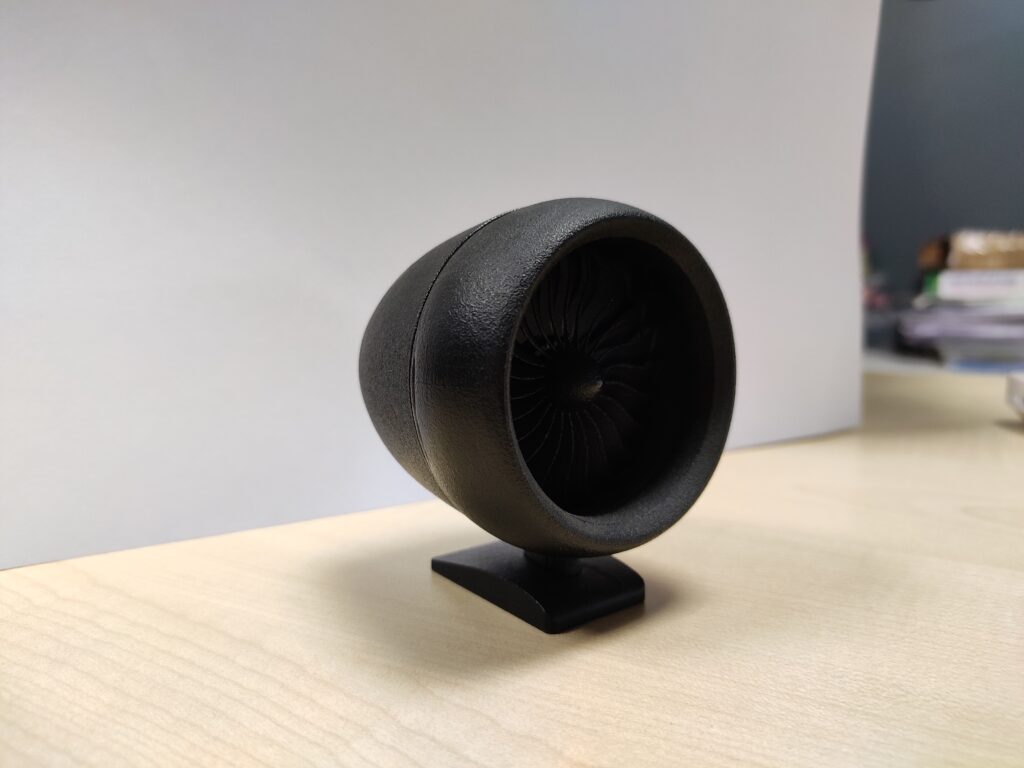
Fused Deposition Modeling (FDM) builds parts layer by layer by melting and depositing thermoplastic filament. It remains one of the most widely used and cost-effective plastic 3D printing technologies for early-stage product development.
FDM is commonly used for concept models, assembly validation, manufacturing fixtures, and functional prototypes where speed and affordability are priorities. Engineers and product designers often rely on FDM to quickly evaluate designs before moving to more advanced manufacturing methods.
Common FDM materials include PLA, ABS, PETG, ASA, and Nylon, allowing users to select materials based on strength, flexibility, weather resistance, or ease of printing.
Limitation: Visible layer lines and lower surface quality compared to other technologies
SLA – Smooth Finish with High Precision
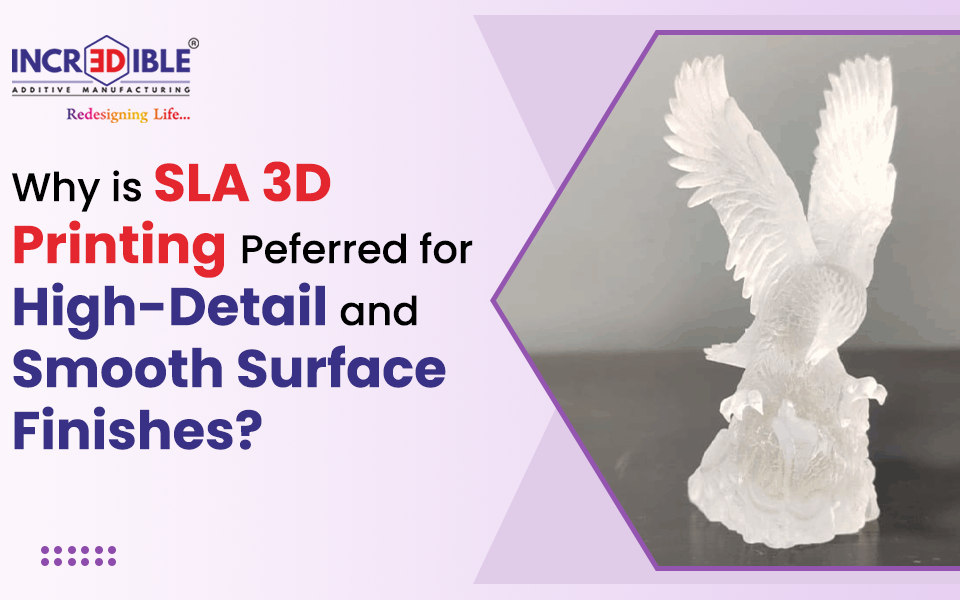
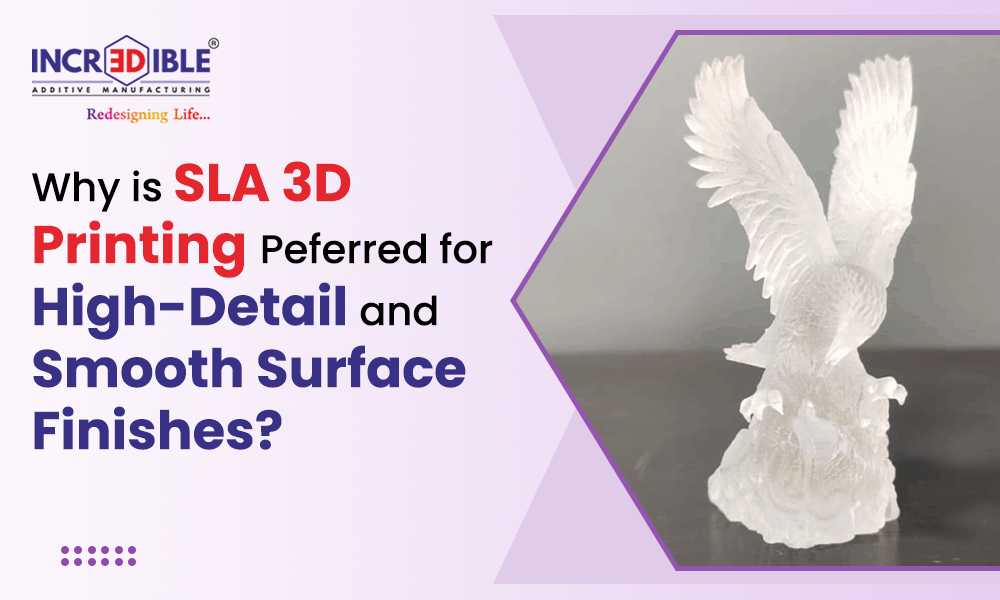
Stereolithography (SLA) uses a UV laser to selectively cure liquid resin into highly detailed plastic parts. This process is known for producing exceptionally smooth surfaces and fine feature resolution.
SLA is widely used for dental models, casting patterns, medical models, and high-detail product design prototypes where appearance and accuracy are critical. The technology delivers excellent visual quality, making it ideal for presentation models and intricate designs.
Available materials under different types of plastic 3D printing include standard, tough, flexible, high-temperature, and castable resins, each designed for specific applications.
“When appearance and detail matter most, SLA delivers a professional-quality finish.”
SLS vs MJF – Strength and Production Performance
Selective Laser Sintering (SLS) and Multi Jet Fusion (MJF) are two advanced powder-bed technologies designed for producing strong, functional nylon parts.
SLS uses a laser to selectively fuse nylon powder layer by layer. It is widely used for functional housings, aerospace brackets, automotive components, and other applications requiring strong mechanical properties.
MJF uses a fusing agent and infrared energy to selectively fuse nylon powder, enabling faster production speeds and highly consistent part quality. MJF-based systems are preferred for creating multiple functional parts rapidly and repeatably through advanced plastic 3D printing services. The technology is particularly effective for producing multiple end-use components efficiently.
Common materials include:
SLS: Nylon PA12 and PA11
MJF: Nylon PA12, PA11, and TPU
Industrial applications for MJF include end-use production parts, medical device enclosures, consumer products, and low-volume manufacturing runs.
Choose SLS for: Durable industrial components and functional testing
Choose MJF for: Faster production, repeatability, and end-use manufacturing
Main difference: MJF generally offers higher throughput and greater consistency across large production batches.
“SLS and MJF are often the go-to choices for functional parts that need real mechanical strength.”
Plastic 3D Printing Materials at a Glance
Material selection is often just as important as choosing the printing process itself. Different technologies support different material families, which directly influence strength, flexibility, durability, and surface finish.
When selecting a technology, it’s important to evaluate both the manufacturing process and the material requirements of the final application.
FDM vs SLA vs SLS vs MJF: Comparison Table
At Incredible 3D, each project is evaluated based on performance requirements, surface quality, production volume, and budget to determine the most suitable 3D printing technology. The comparison below highlights the key differences between the most common plastic 3D printing processes.
Factor
FDM
SLA
SLS
MJF
Cost
Low
Medium
High
High
Surface Finish
Fair
Excellent
Good
Good
Strength
Moderate
Low to Medium
High
High
Accuracy
Good
Excellent
Good
Very Good
Production Use
Limited
Limited
Yes
Yes
Material Options
Wide Range
Resin-Based
Nylon-Based
Nylon & TPU
Best Use Case
Prototypes & Fixtures
Detailed Models
Functional Parts
Production Parts
Which Plastic Printing Process Should You Choose?
The best process depends entirely on your project goals. FDM is an excellent choice when affordability and speed are the main priorities. SLA is ideal when fine details and smooth surfaces are required. SLS is preferred for strong, durable functional parts. MJF is often selected for low-volume production and repeatable manufacturing using the best 3D printing technology for their production goals.
Understanding how the part will be used before selecting a printing method helps avoid unnecessary costs, redesigns, and production delays.
“The ideal 3D printing method balances appearance, durability, speed, and budget.”
Key Benefits of Choosing the Right 3D Printing Method
Improved Durability, Strength, and Functionality
Selecting the appropriate technology ensures the final part meets the required mechanical and performance standards.
Reduced Material Waste and Development Costs
Choosing the right process early helps minimize wasted materials, redesign cycles, and production delays.
Less post-processing
Technologies such as SLA produce smoother surfaces, reducing the need for sanding, polishing, and finishing operations.
Faster Development and Production
FDM accelerates prototyping, while MJF enables rapid production of multiple functional parts with consistent quality.
Conclusion
Selecting the right plastic 3D printingtechnology requires balancing cost, appearance, material requirements, strength, and production volume. While FDM and SLA are excellent for prototyping and visual models, SLS and MJF provide the durability and scalability required for industrial and end-use applications.
Quick Recap
FDM: Affordable and fast for prototypes, fixtures, and concept models
SLA: Best for highly detailed parts with superior surface finish
SLS: Strong and durable for industrial and functional applications
MJF: Fast, consistent, and ideal for low-volume production manufacturing
For businesses seeking the right balance of precision, speed, and performance, experienced partners like Incredible 3D can help identify the most suitable plastic 3D printing solution for every project.