Manufacturers of vehicles face constant pressure to accelerate development timelines without compromising performance or safety. Metal 3D printing for automobile industry has become a breakthrough technology that drastically reduces lead time, shortens prototyping cycles, speeds up design validation, and enables faster production.
It removes traditional tooling delays and supports highly complex geometries, bringing new agility to automotive innovation. Today, both OEMs and Tier-1 suppliers rely on this technology to move from concept to functional parts at unprecedented speed.
“3D printing turns weeks of waiting into days of progress.”
1. Rapid Prototyping Through Fast Iteration
In traditional manufacturing, creating prototype dies or molds can take weeks. Metal 3D printing eliminates this step by allowing direct fabrication from a digital model. Parts can be tested, modified, and reprinted within days—ideal for iterative development of components such as engine brackets or gearbox housings.
2. Cutting Down Tooling Delays
Traditional processes are heavily slowed by tooling requirements. Metal 3D printing eliminates tooling, allowing engineers to move directly from design to production. This significantly speeds up early-stage development.
No Tooling Dependency: Eliminates long waits for molds, fixtures, or dies.
Fast Testing Cycles: Enables multiple variations in short intervals.
Reduced Rework Time: Design changes are applied directly to the CAD model and reprinted overnight.
3. Complex Part Manufacturing Made Simple
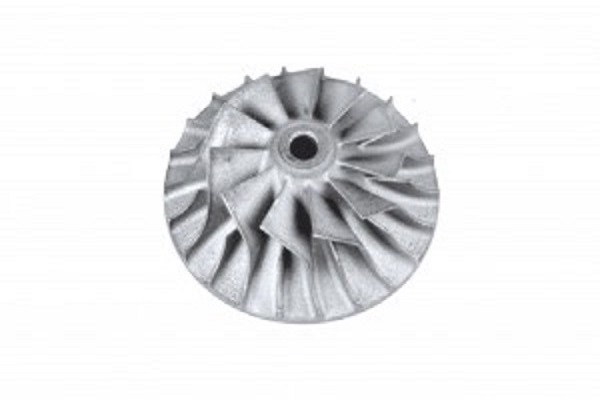
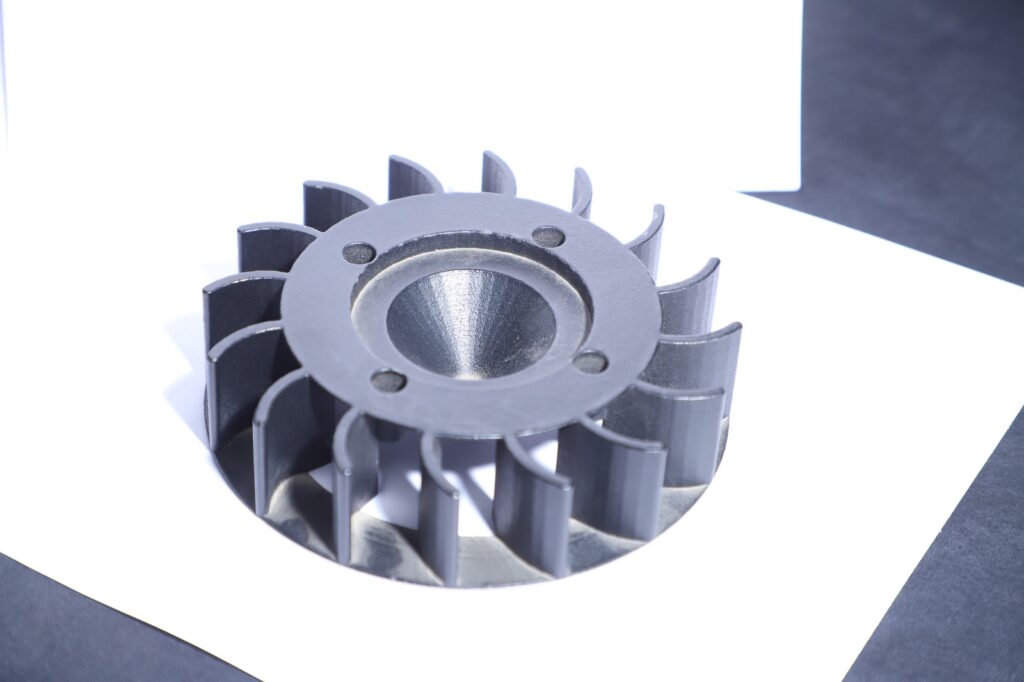
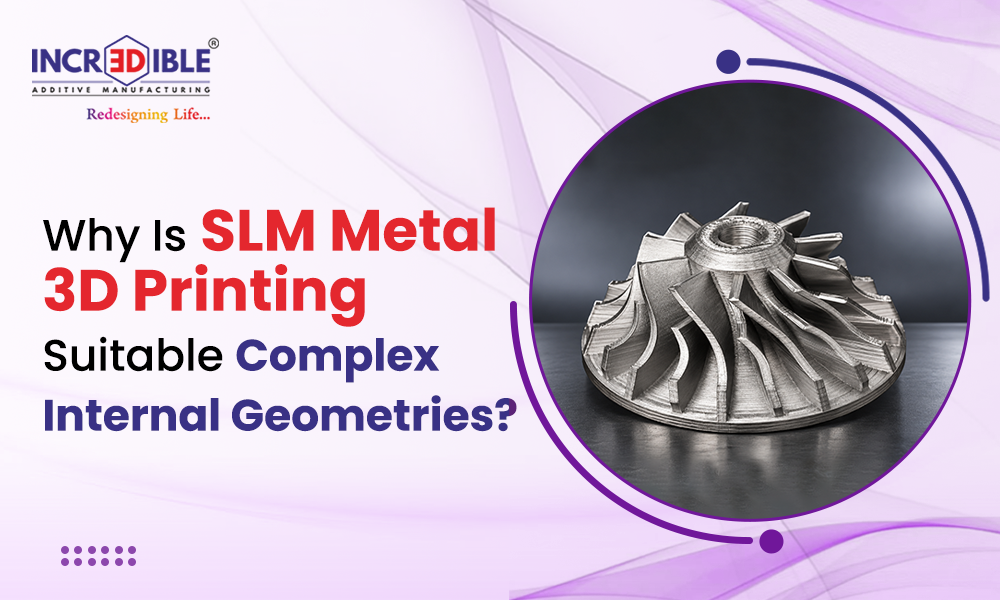
Automotive components like lightweight lattice exhaust parts or optimized suspension joints often require intricate shapes. Metal 3D printing removes machining limitations, making it possible to produce complex, lightweight, and stronger prototype components with ease.
“Complexity no longer slows innovation—it accelerates it”.
4. Lean Low-Volume Production
Low-volume manufacturing is essential for niche components, performance prototypes, or initial validation. Metal 3D printing enables fast, cost-effective batchproduction without setup delays or tooling investments.
Low-Volume Efficiency: Produce small batches without high tooling costs.
Quick Production Start: No machine setup or alignment required.
Consistent Quality: Each printed part maintains uniform mechanical properties.
Move from prototype to pilot production without waiting for tooling.
Crucial Advantages You Shouldn’t Ignore
Shorter Design-to-Production Time: Automakers bring refined products to market faster.
Greater Design Freedom: Supports lightweighting and optimized geometries without machining limits.
Cost Efficiency: Saves costs tied to tooling, rework, and slow prototyping.
Improved Performance Testing: Multiple versions can be produced quickly, improving decision-making.
Conclusion
Metal 3D printing is transforming automotive part development by reducing lead times and enabling faster validation. Its combination of speed, precision, and design freedom empowers teams to innovate at a significantly faster rate.
Tooling delays are eliminated, enabling rapid part iteration.
Complex, lightweight components are easier and quicker to produce.
Low-volume runs and functional prototypes are delivered in days, not weeks.
Faster validation results in better-performing final components.
For automotive innovation that demands speed and accuracy, 3D Engineering remains the trusted partner for advanced 3D printing services.