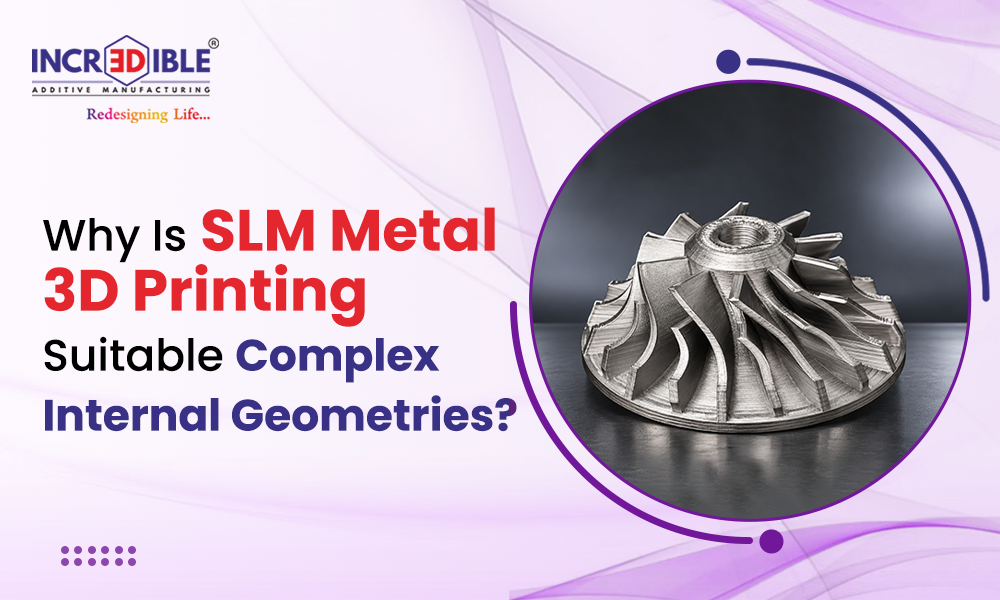
For aerospace, automotive, and defence manufacturers, every gram matters. Heavier components can increase fuel consumption, energy requirements, and operating costs. Traditional manufacturing often makes it difficult to remove unnecessary material while maintaining structural strength, particularly when parts have complex geometries. metal 3D printing for lightweight components offers a practical alternative by building components layer by layer from digital designs. Using topology optimization, lattice structures, and integrated internal channels, engineers can create parts that use less material while meeting demanding performance requirements.
“Better engineering is not about using more metal; it is about placing it where it matters most.”
Why Do Engineering Components Need Optimized Designs?
In aircraft, vehicles, and industrial machinery, component weight directly affects overall efficiency. Lighter aircraft structures can help improve fuel economy, while lighter automotive components can reduce energy demand and emissions. However, removing material without understanding load distribution can weaken a part. Metal additive manufacturing helps engineers overcome this challenge by creating complex geometries that conventional machining, casting, or forging may struggle to produce economically.
These methods can support the development of lightweight engineering components without compromising essential structural requirements.
How Does Metal 3D Printing Remove Unnecessary Material?
The process builds components layer by layer, allowing engineers to create intricate internal features without relying on expensive tooling. Before printing, design optimization software identifies where material is essential and where it can be removed. This approach supports weight reduction in metal components while helping engineers maintain functional performance. Two approaches help achieve this:
Topology optimization: Analyzes expected loads and stresses to remove material from low-stress regions while retaining critical structural support.
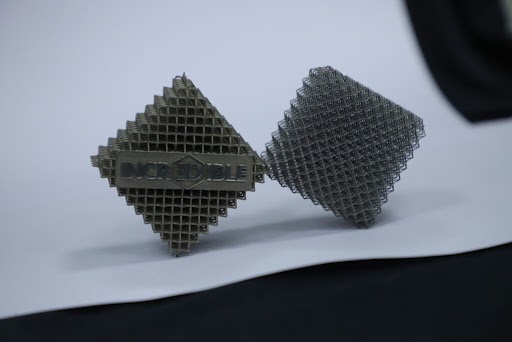
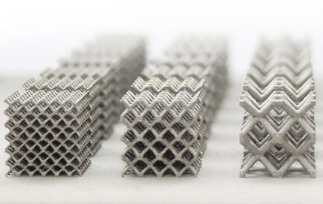
Lattice structures: Replace solid internal sections with carefully designed geometric patterns that distribute loads efficiently while using less material.
For example, aerospace brackets can be redesigned with optimized supports instead of solid sections. This application of topology optimization in 3D printing helps engineers reduce unnecessary material while preserving strength in critical areas. Similar design principles can be applied to automotive parts and industrial equipment where lower weight and reliable performance are important.
What Are the Benefits of Lightweight Metal Components?
Reducing component weight can provide several practical advantages across industries.
Lower mass can improve fuel efficiency in aircraft and vehicles, reduce energy consumption during operation, and help manufacturers use materials more efficiently.
Complex designs can also combine multiple features into a single printed part, potentially reducing assembly requirements.
By working with experienced providers offering Metal 3D Printing services, manufacturers can assess suitable designs, materials, and production methods for their applications.
Conclusion
Ultimately, lightweight design requires a balance between material savings, strength, and performance. 3D Incredible offers metal 3D printing for engineers to get better balancing flexibility balance by producing complex geometries that traditional methods may find difficult to manufacture. With careful design and testing, manufacturers can develop efficient, durable components for demanding applications.