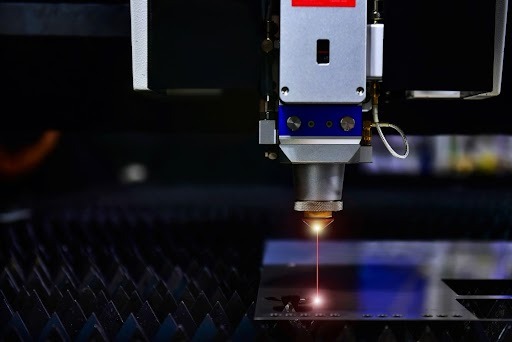
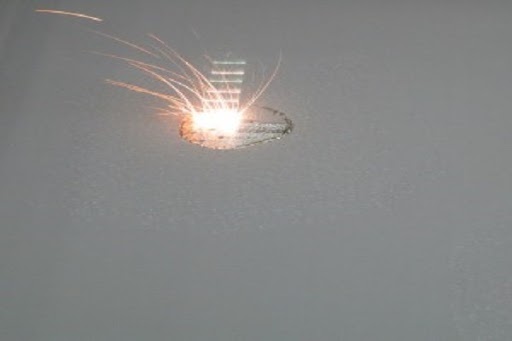
Manufacturing metal components with intricate internal features has always challenged conventional machining methods. Drilling curved passages or creating enclosed cavities often requires multiple operations and assembled parts. Selective Laser Melting (SLM) addresses these limitations by fusing metal powder layer by layer using a high-powered laser. This process allows engineers to build precise internal structures directly from digital designs. With 3D printing services, industries can develop components that combine structural strength, design flexibility, and functional efficiency.
“SLM turns design freedom into functional reality, one layer at a time.”
How Does SLM Overcome Traditional Design Limitations?
Traditional machining removes material from solid blocks, making enclosed channels and curved internal passages difficult to produce. SLM follows a different approach. It melts selected areas of metal powder according to sliced CAD data, gradually building the component. This freedom helps engineers design features based on actual operating requirements rather than tooling limitations.
For example, aerospace brackets can integrate mounting features and internal structures into a single component, reducing assembly steps and potential failure points.
Why Does Part Consolidation Improve Reliability?
SLM 3D printing technology enables engineers to combine multiple components into one integrated structure. Since the laser builds the part directly from digital instructions, designers can eliminate several fasteners, joints, and connecting interfaces. Fewer assembly points can improve structural reliability while simplifying manufacturing and inspection.
Consider an automotive fluid-handling component. Instead of assembling several machined pieces, engineers can integrate internal passages into one part, simplifying production and reducing opportunities for leakage.
How Does SLM Create Complex Internal Channels?
Complex Internal Geometries 3D printing allows engineers to create curved passages, lattice structures, and enclosed cavities that conventional machining may struggle to produce. The laser selectively fuses successive powder layers, allowing internal features to take shape within the component. However, channel dimensions, powder removal, and support requirements must be considered during design.
For example, tooling inserts with conformal cooling channels can follow the mould’s contours, helping distribute heat more evenly and improve temperature control during production.
“Complexity becomes an engineering advantage when internal features serve a clear purpose.”
How Do Precision and Material Efficiency Support Performance?
3D printing for complex geometries helps engineers place material where structural loads or functional requirements demand it.
Carefully designed lattice structures and internal pathways can improve component performance without unnecessary bulk.
The process also supports the use of high-performance alloys, including titanium, stainless steel, and nickel-based superalloys.
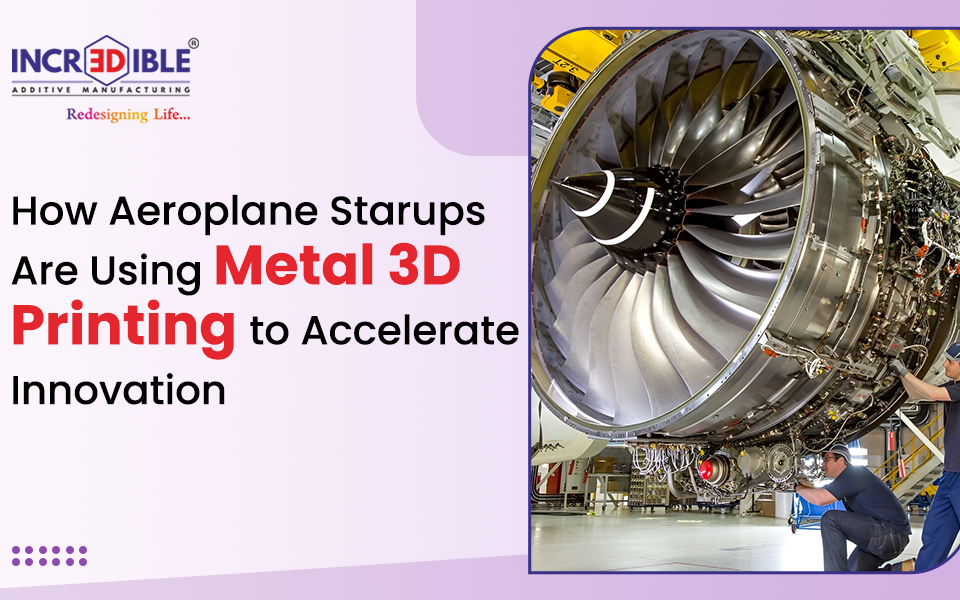
In aerospace applications, titanium components can combine intricate internal features with strength and efficient material use, provided the design meets relevant performance and qualification requirements.
“Better geometry can deliver better performance when design and manufacturing work together.”
Key Benefits of SLM Metal 3D Printing
Greater Design Freedom: Engineers can develop enclosed passages, curved channels, and intricate lattice structures that are difficult or costly to machine conventionally.
Fewer Assembly Steps: Combining multiple components into one structure reduces joining operations and can improve reliability by eliminating potential failure points.
Improved Thermal Performance: Conformal cooling channels follow component contours, supporting more uniform heat transfer in moulds and industrial tooling.
Efficient Material Use: Optimised internal structures place material according to functional needs, helping balance strength, performance, and material consumption.
Faster Design Iterations: Digital design workflows allow engineers to test and refine complex component geometries without creating dedicated tooling for every revision.
Conclusion
SLM metal 3D printing is suitable for complex internal geometries because it builds components layer by layer rather than relying on conventional cutting tools. This makes intricate channels, consolidated structures, and optimised internal features possible within a single component.
Key takeaways:
Creates intricate internal channels and enclosed features.
Combines multiple parts into integrated structures.
Supports precision, thermal management, and material efficiency.
Enables design flexibility for demanding industrial applications.
For advanced metal manufacturing requirements, consider 3D Incredibles for its metal 3D printing and engineering solutions tailored to complex, precision-driven components.