Once a person is diagnosed with a bone tumor, the priority is immediately changed not only to the eradication of cancer but also to the preservation of mobility, stability, and quality of life. Ordinary implants are not sufficient, as there are no two tumors—or patients —that are the same. This is where implants that are specific to patients come in. They are individually designed and aimed at assisting the surgeons in restoring functionality after the removal of the tumor. This custom-tailored treatment is not a luxury in orthopedic oncology; it is a must.
“In cancer-related bone surgery, precision doesn’t just support recovery—it protects a patient’s future mobility.”
Personalized Fit for Complex Bone Defects
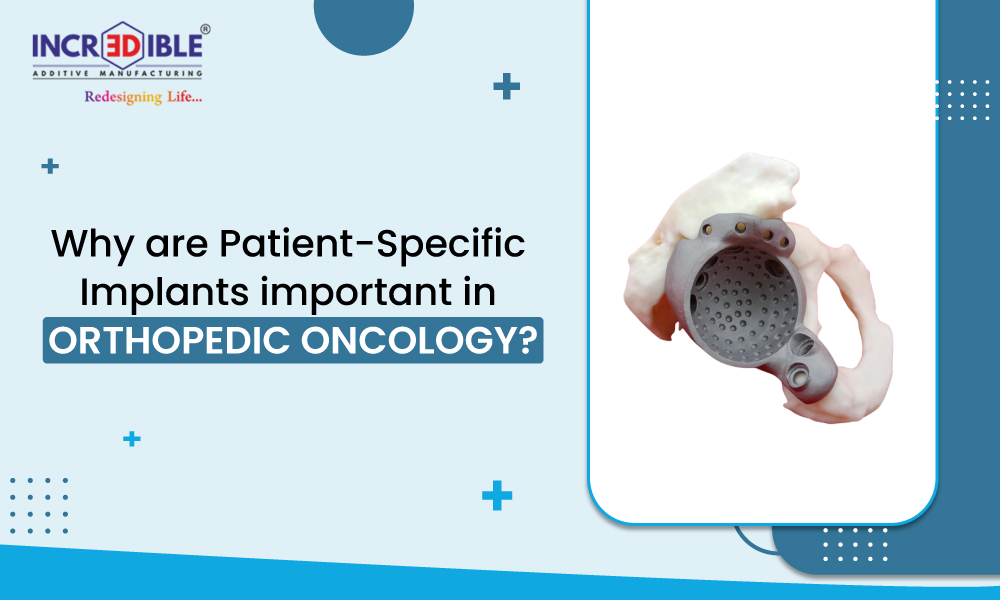
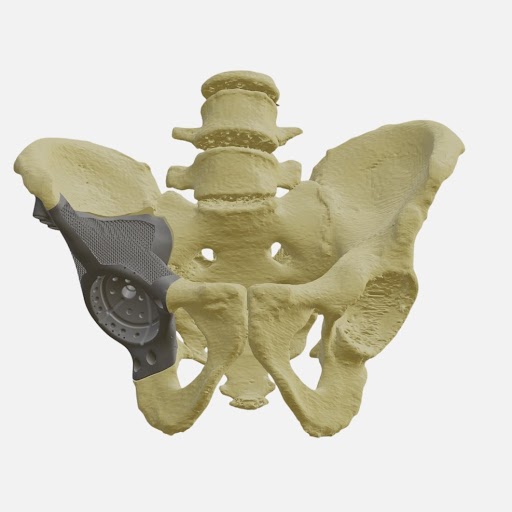
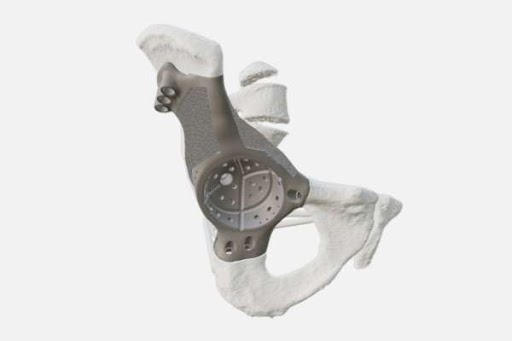
Each tumor causes a bone defect, and conventional implants can hardly be appropriately fitted. The implants are manufactured in a patient-specific design based on either a CT or MRI scan of the patient and are designed to match the patient’s anatomy.
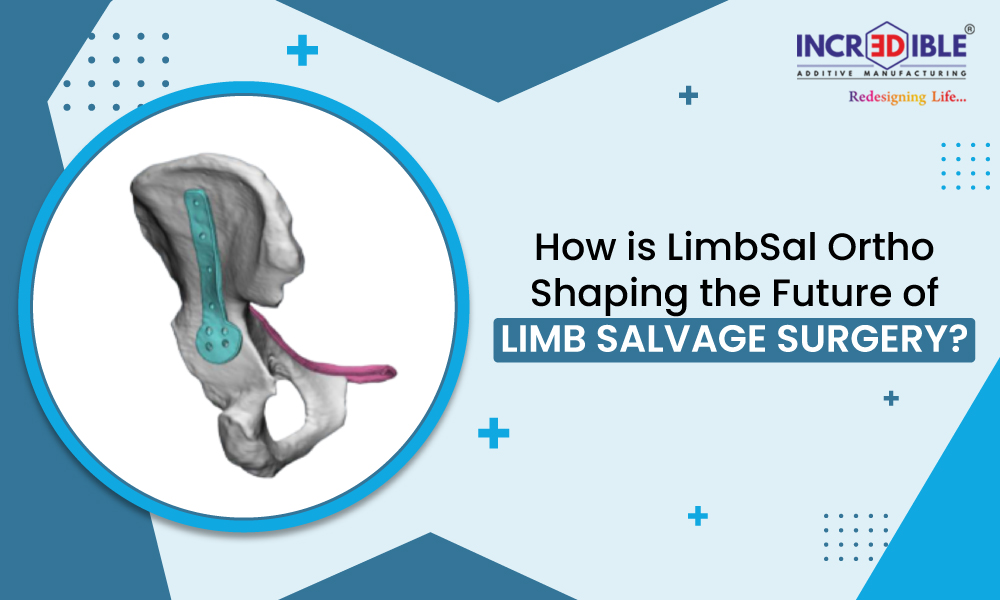
A patient with a tumor in the pelvis can be an example of a patient who loses an abnormal part of the bone. That missing structure can be duplicated with a custom implant.
Such an individual fit is useful in
The reduction of complications
Higher levels of comfort
Quicker functional recovery
Better Surgical Precision and Trustworthiness
Tight margins and anarchic anatomy are common in orthopedic oncology surgeries. Custom implants enable the surgeon to pre-plan all the steps, which makes the tumor removal and reconstruction more accurate.
To examine the benefits, it is better to know how such accuracy affects the actual outcome of patients and surgeons themselves.
Preplanned alignment
Reduced operating time
Better implant positioning
As an example, patient-specific implants are used in knee surgery to salvage the knee and preserve joint mechanics and clear cancer. Such planning helps to make surgeries safer and more predictable.
Improved Long-Term Operation and Recovery
The most important thing is how patients live after surgery rather than the surgery itself. Precisely made implants are adapted to assist a real-life movement as well as sustainability, which enables the patient to regain their trust in day-to-day activities.
To begin with, the impact of 3D printed orthopedic implant on comfort and mobility is directly related, and it is important to mention this before looking at examples.
Natural load transfer
Improved joint movement
Enhanced implant stability
An example is that a young patient who is being treated because of a tumor in the femur can resume walking and other normal activities with minimal restrictions when the implant has a similar structure to that of a natural bone.
“When an implant fits the patient—not the average—the body responds with better movement and trust.”
Key Benefits of Patient-Specific Implants
Greater accuracy of reconstruction.
Custom designs are unique to the anatomy, which is more stable and less prone to losing its position or causing arthropathy with time.
Improved patient comfort
Better fit translates to reduced irritation to surrounding tissues and hence easier recovery and better day-to-day comfort.
Increased surgical productivity.
Pre-planned implants minimize intraoperative corrections, hence assisting the surgeons to work more confidently and efficiently.
Functional outcome in the long term.
Patient-specific implants allow patients to be more mobile and independent by promoting the natural biomechanics.
“Customized implants don’t just rebuild bones—they help rebuild lives after cancer.”
Conclusion
Orthopedic oncology implants are a vital technology because of their accuracy, customization, and durability of use. Surgeons can operate confidently while patients recover swiftly.
Key takeaways:
Personalized implants are adapted to complicated bone defects.
The accuracy and predictability of surgery are improved.
Natural movement and comfort are facilitated by recovery.
In the case of highly advanced and reliable solutions concerning patient-specific 3D printed orthopedic implant, 3D Medical can be the most successful in terms of providing an outcome-based approach.