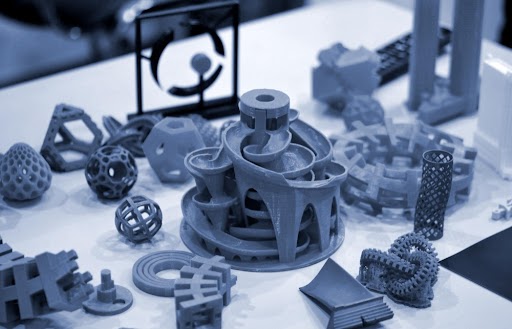
Rapid prototyping

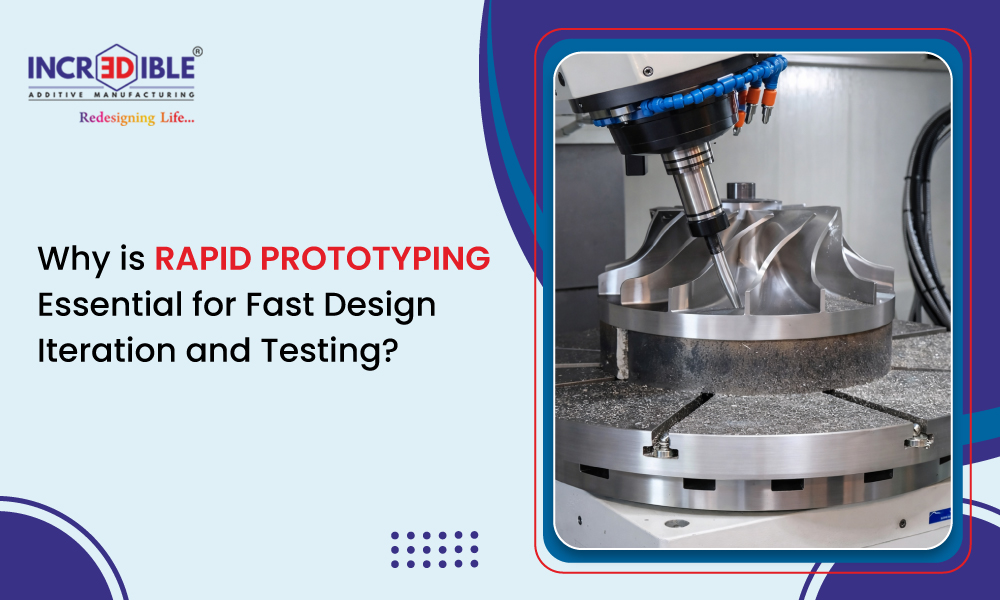
Design today moves fast. Markets do not stand still until their ideas can be tested, modified, and proven. Rapid prototyping services enables teams to visualize, feel, and experiment with ideas in the initial stages, preventing expensive mistakes in the future. Designers are able to refine products in days as opposed to months, and speed, accuracy, and flexibility have become the new norm.

“Rapid prototyping turns ideas into learning tools, not final guesses.”

Accelerating Design Validation Early

Early design validation is a process that includes faster design development that occurs in parallel with other design tasks to achieve the desired design criteria and accelerate the route to production. A faster design development that runs parallel with other design activities to meet the desired design criteria and shortens the path to production is an aspect of Accelerating Design Validation.

As an example, a prototype of consumer electronics housing can be tried on for grip, fit, and airflow prior to investing in tooling.

Early testing helps teams to eliminate last-minute redesigns and also to be sure about the choices of designs. This importance of rapid prototyping process converts the uncertainty to clarity and justifies wiser engineering decisions.

Enabling Faster Iterations Through Real Feedback

Iteration is an innovation of iteration. With prototyping for design testing, it is feasible to create and test new versions and revise and rebuild several versions within a brief period. This technique substitutes assumptions with factual user responses and assists groups in improving designs through actual use.

An example is the case of medical device development, where clinicians can test several prototypes to enhance usability and safety. The successive versions are improved, more accurate, and more user-focused—without delaying the project schedule.

“The faster you test, the faster you improve—and rapid prototyping makes that possible.”

Reducing Risks Before Final Production

  • All products come with functional, financial, and reputational risks. Rapid prototyping services is one of the ways through which the risks are reduced by discovering problems very early before starting production. It gives teams the opportunity to test the materials, shape, install, and operate in natural environments.

    Teams do not find out the failures after launch, but soon learn the weak points. This proactive method is cost-saving, delays are avoided, and transitioning into manufacturing is made easier with minimal unexpected results.

    “Testing early isn’t optional anymore—it’s essential for confident production.”

The major advantages of rapid prototyping

  • Faster Design Decisions

Rapid prototyping reduces the duration of the decision-making process by defining the physical outcome of the process early enough so that a team can proceed with certainty.

  • Improved Product Quality

Prior testing and numerous revisions result in enhanced functionality, usability, and general reliability of the product before the actual release.

  • Cost and Time Efficiency

This improves time-to-market by making sure that companies recognize the problems at an early stage, and they do not need to spend time and money on changing their tooling and redesigning it at the last moment.

  • Increased Cooperation among Teams.

Physical models enhance communication within and between designers and engineers and their stakeholders as they all get to a common and testable vision.

Conclusion

Rapid prototyping service

Prototyping for design testing has ceased to be a development instrument; it is a strategic benefit. It assists the teams in testing ideas earlier, going through more iterations, and taking less risk before production starts.

Quick recap:

  • Speeds up design validation
  • Promotes quicker, intelligent cycles.
  • Minimizes production risks
  • Enhances the quality of the final products.

In situations where a team wants to be more innovative and smarter in testing, 3D engineering solutions can enable the transformation of an idea into a test-ready and reliable prototype.

January 21, 2026
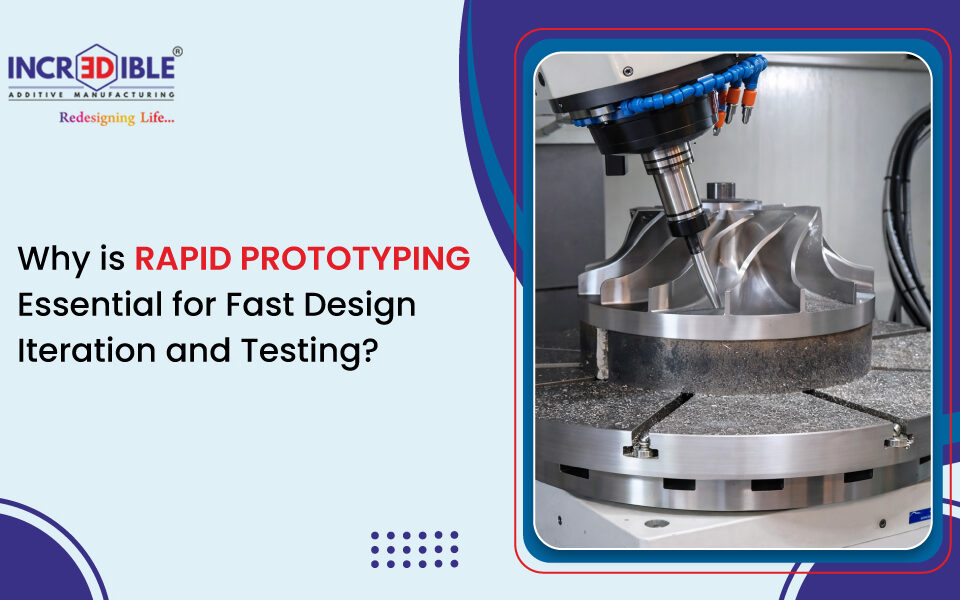
Why Is Rapid Prototyping Essential for Fast Design Iteration and Testing

Why Is Rapid Prototyping Essential for Fast Design Iteration and Testing?

Design today moves fast. Markets do not stand still until their ideas can be tested, modified, and proven. Rapid prototyping services enables teams to visualize, feel, and experiment with ideas […]
January 17, 2026
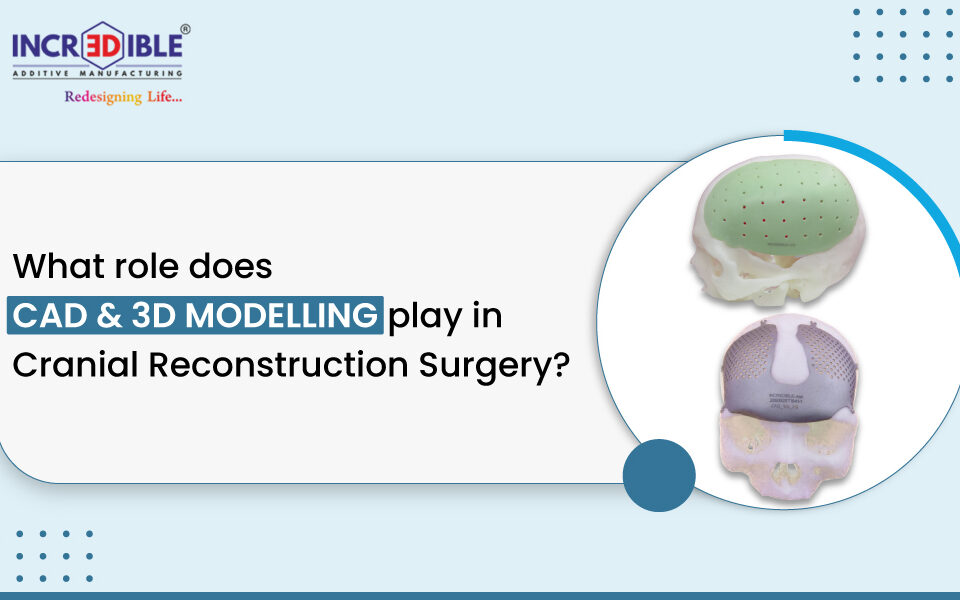
What Role Does CAD and 3D Modelling Play in Cranial Reconstruction Surgery

What Role Does CAD and 3D Modelling Play in Cranial Reconstruction Surgery?

Cranial reconstruction surgery requires a lot of accuracy, customization, and precision. All skull defects are individual and are imprinted by trauma, disease, or a history of surgery. This is the […]
December 23, 2025
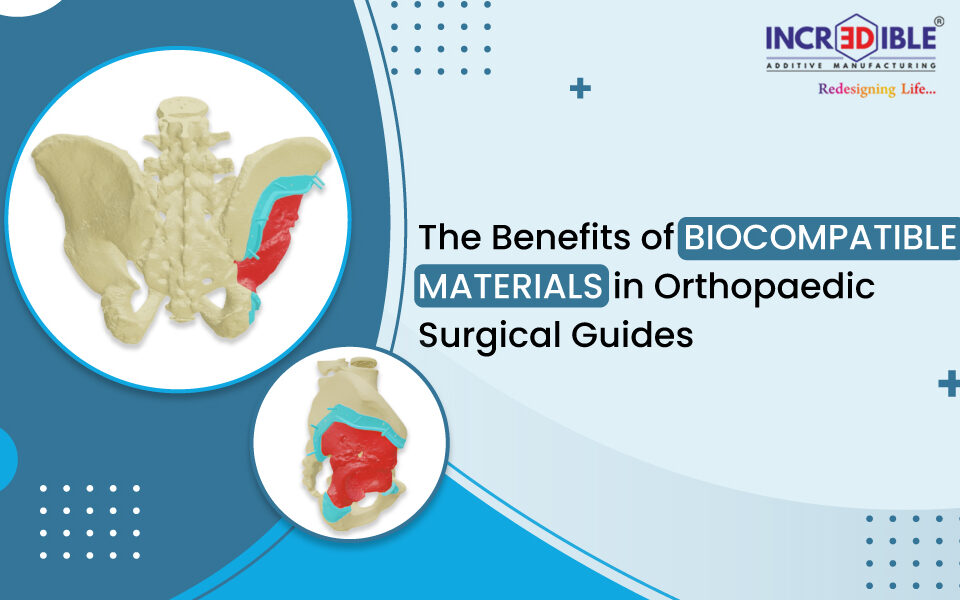
The Benefits of Biocompatible Materials in Orthopaedic Surgical Guides 

The Benefits of Biocompatible Materials in Orthopaedic Surgical Guides 

Orthopaedic surgeries require accuracy, security, and patient-focused solutions. The use of biocompatible materials in 3D-printed surgical guides is changing the way surgery planners and surgical practitioners’ approach complex bone procedures. […]
December 19, 2025
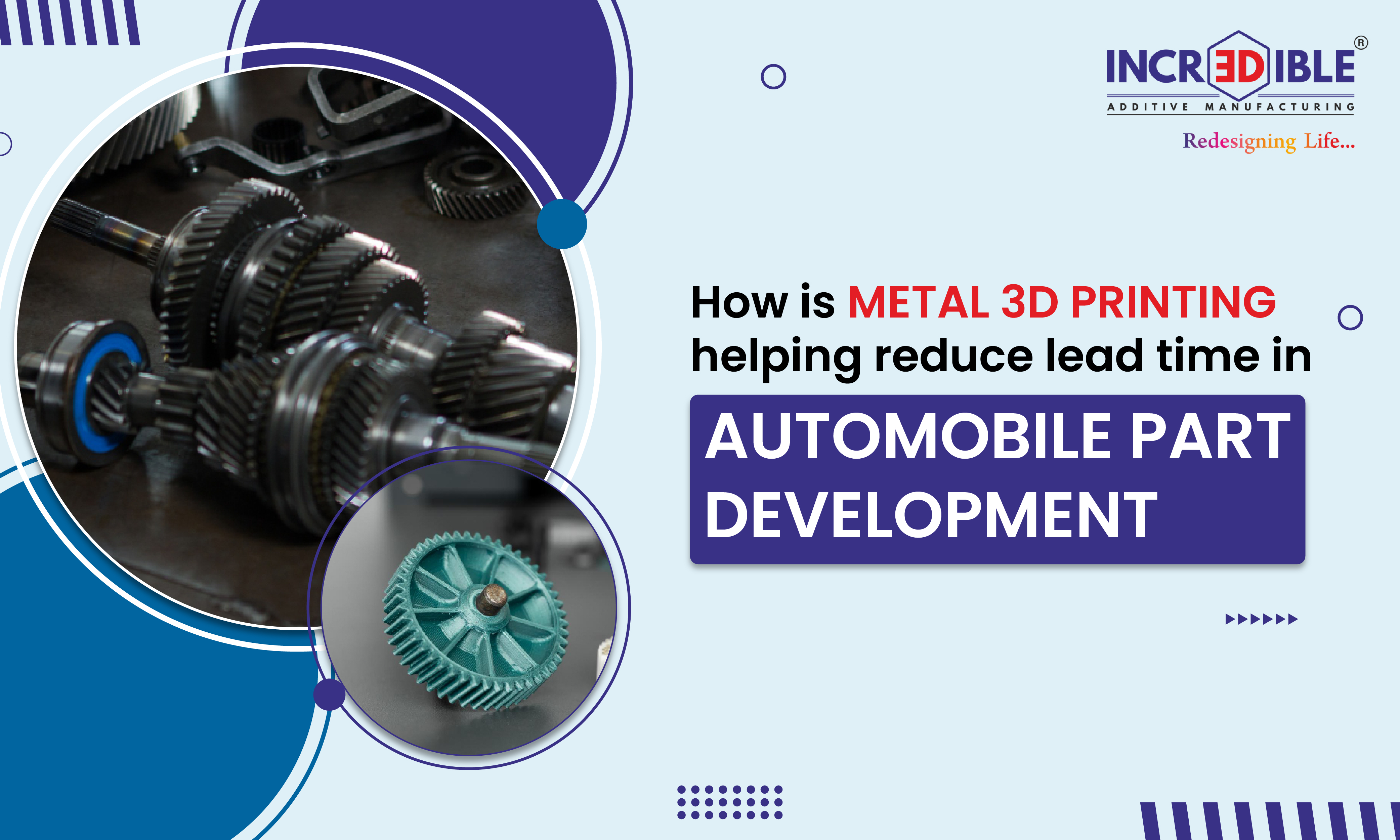
How Is Metal 3D Printing Helping Reduce Lead Time in Automobile Part Development

How Is Metal 3D Printing Helping Reduce Lead Time in Automobile Part Development?

https://youtu.be/tliQbWbWL5U?si=9jSk17g–W2gWD62 Manufacturers of vehicles face constant pressure to accelerate development timelines without compromising performance or safety. Metal 3D printing for automobile industry has become a breakthrough technology that drastically reduces […]
December 17, 2025
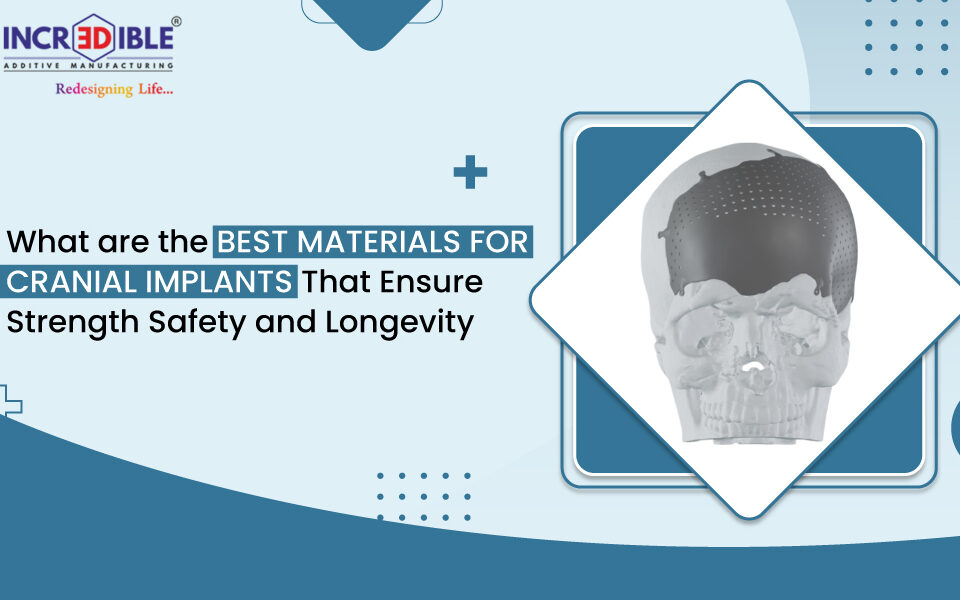
What Are the Best Materials for Cranial Implants That Ensure Strength, Safety, and Longevity

What Are the Best Materials for Cranial Implants That Ensure Strength, Safety, and Longevity?

https://youtube.com/shorts/01dl7G2VUa8?si=IXM8ZdbaY-6rOuPF The implants used in cranial reconstruction must offer exceptional mechanical strength, biocompatibility, and long-term stability. Whether the implant is required after trauma, tumor removal, or congenital correction, the chosen […]
December 12, 2025
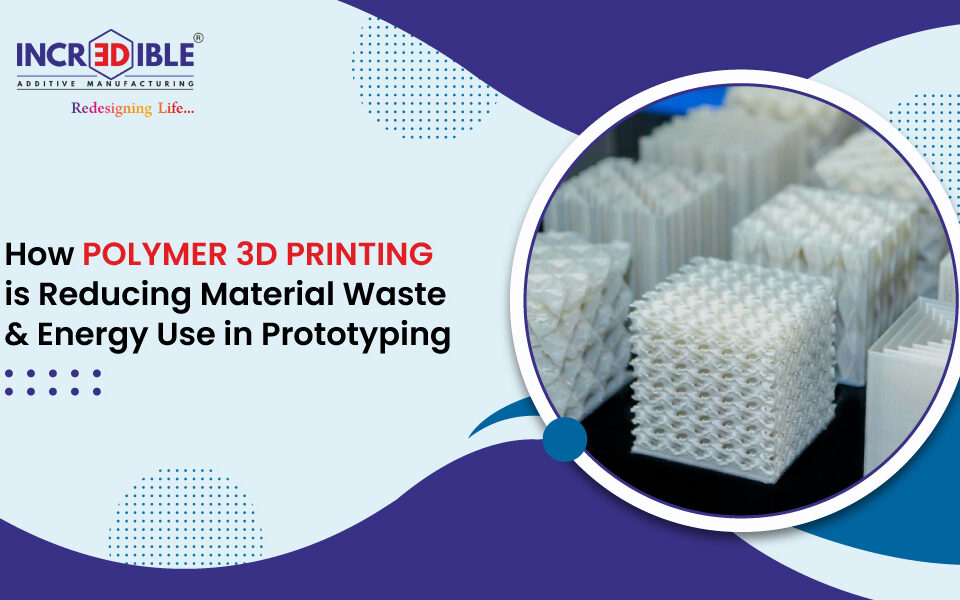
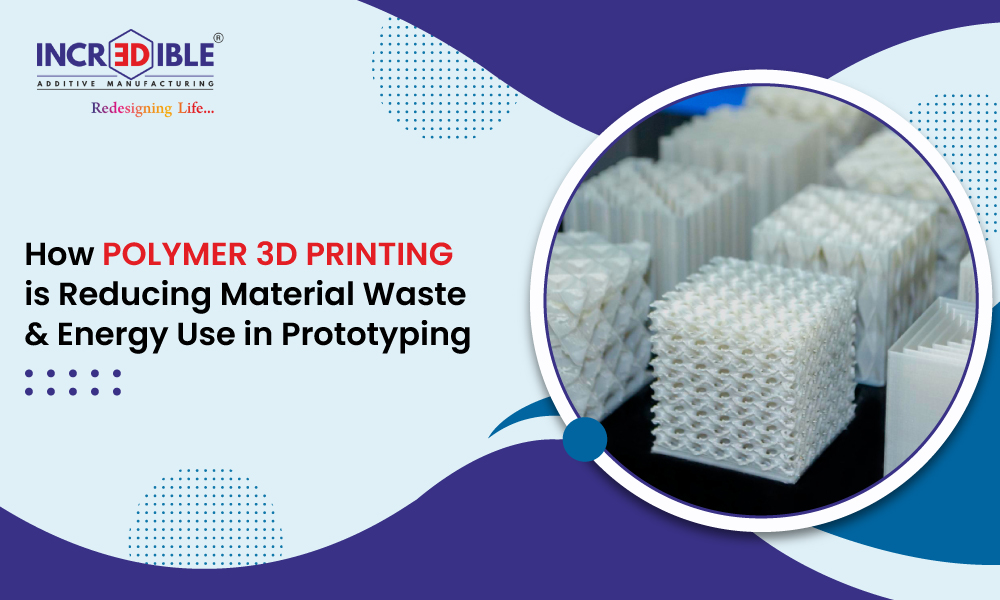
Polymer 3D printing cuts material waste and reduces energy use in prototyping while improving precision, speeding development, and supporting sustainability.

How Polymer 3D Printing is Reducing Material Waste and Energy Use in Prototyping

In today’s fast-paced world of rapid product development, reducing material waste and lowering energy consumption are no longer optional—they’re essential for sustainable growth. Polymer 3D printing services has emerged as […]
Contact Us
WhatsApp chat
Become Channel Partner