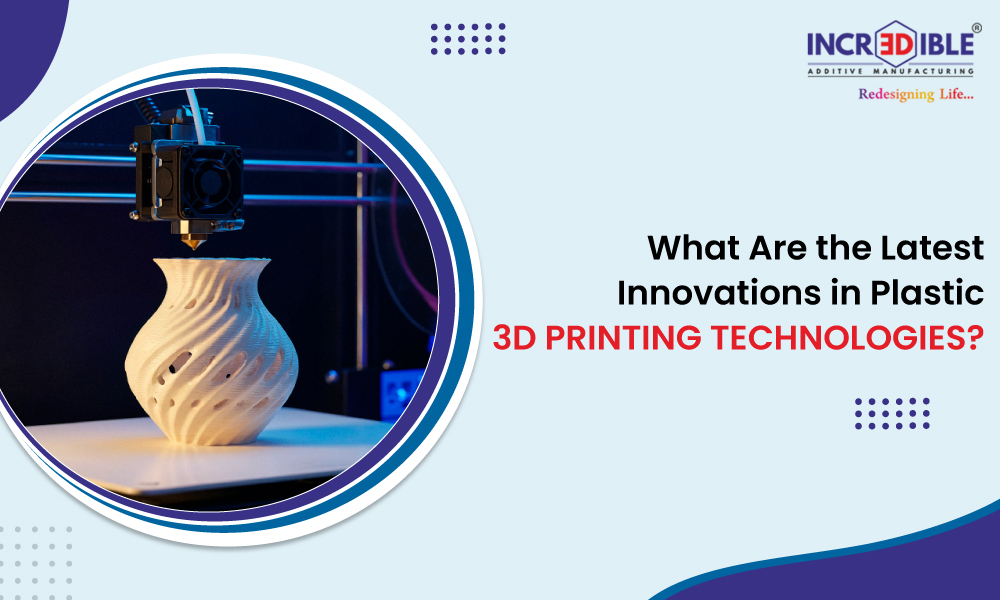
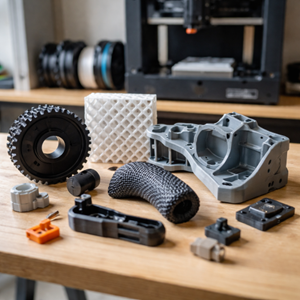
Plastic 3D printing is no longer the crude prototyping, but it is already starting to have a significant impact on the real production, medical, and design of objects. Since materials, speed, and precision are constantly improving, today, Plastic 3D Printing Technologies are producing stronger, lighter, and more complex parts than at any other time before. These inventions are not yet only enhancing performance but also transforming the way industries are pursuing the concept of customization, scalability, and sustainability in production.
“Plastic 3D printing is no longer about shaping objects—it’s about reshaping possibilities.”
Over the years, 3D printing has evolved with new materials through the use of modern 3D Plastic Printing. Such materials offer durability and better elasticity. These materials make it possible to produce both concept models and durable end-use parts. To understand this shift, it helps to see how material science is pushing boundaries.
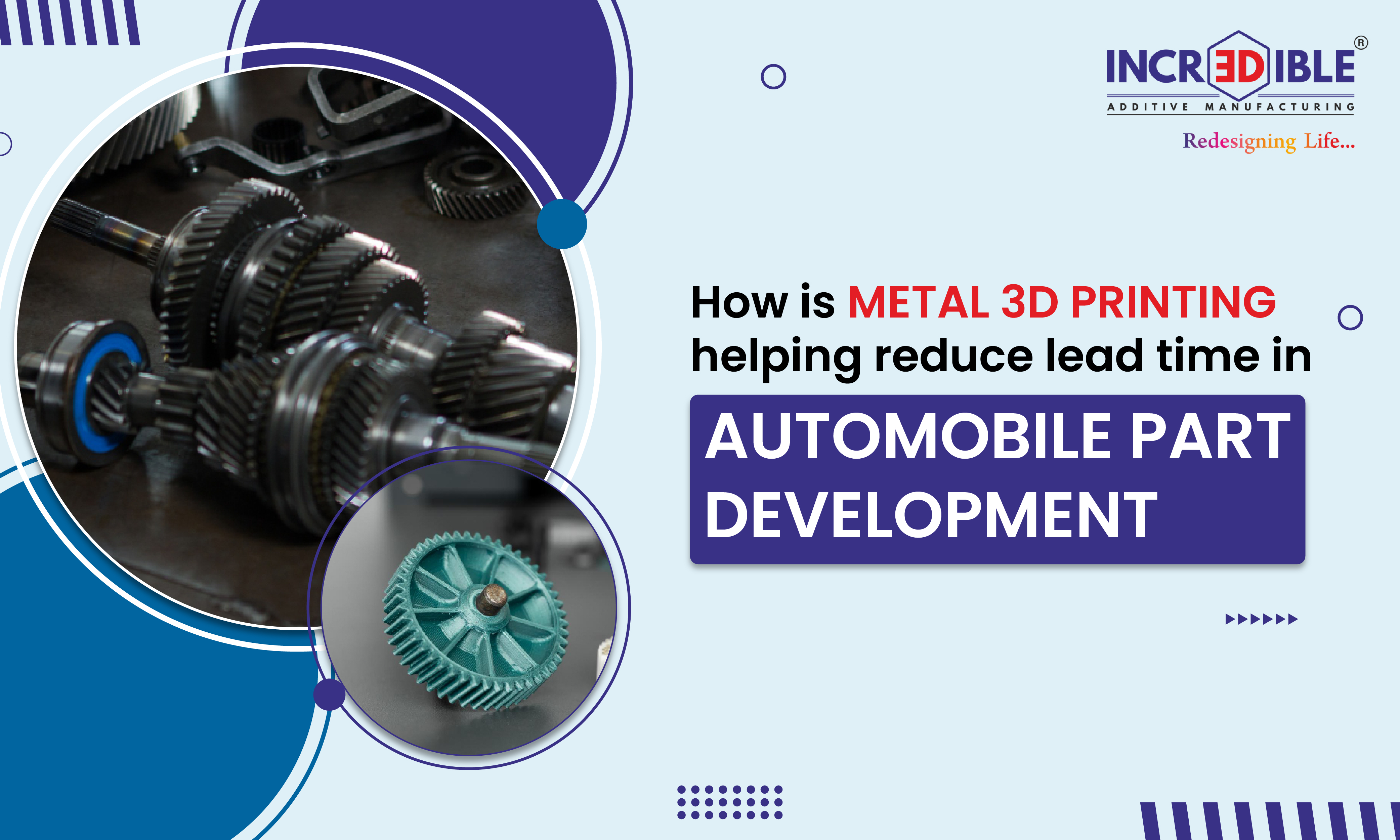
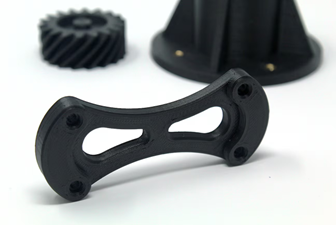
As an example, in the automotive industry, the major companies begin to print lightweight, but tough plastic brackets that substitute metal components without any loss in performance.
The most recent development of the additive manufacturing is dedicated to creating a faster and more sustainable production. Key innovations include:
Multi-Nozzle and High-Speed Systems: Advanced industrial technologies such as multi-jet fusion and high-speed fused deposition systems now enable faster production, improved material efficiency, and reliable multi-material printing without compromising quality.
Monitoring Based on Artificial Intelligence: It is possible to find out real-time issues along with the adjustment of automatic parameter with the help of AI algorithms. This results in the reduction of fall of printing and calibration.
Emerging Smart Materials: Research into self-healing polymers, shape-memory plastics, and advanced functional additives is expanding the future potential of industrial 3D printing, although most commercial applications today focus on high-performance engineering polymers for strength, durability, and specialized industrial use.
Circular Recycling Ecosystems: Advanced recycling solutions now enable plastic waste to be processed into reusable 3D printing filament on-site, supporting sustainable manufacturing practices and reducing material waste across production cycles.
The present manufacturing is accurate and agile along with being environment friendly that has contributed in the success of Plastic 3D Printing Services.
Accuracy has advanced to the point where the plastic 3D printing can make complex geometries that cannot be made using traditional techniques. Consistency and accuracy are ensured even in a complicated design with layer control, better slicing software, and real-time error detecting.
In India, the impact of plastic 3D printing is especially visible in highly customized applications
A healthcare provider, for instance, can now print customized surgical guides tailored to individual anatomy within hours.
“Precision-driven customization is turning plastic 3D printing into a tool for personalized manufacturing.”
Future of 3D printing of plastics is already here. Plastic 3D printing technology is becoming a viable production method as opposed to a research project. The new materials, speed, and precision are breaking new grounds in the industries with a flexible and efficient nature.
So far, the present improvements leads to:
To the organizations that are interested in embracing the latest plastic 3D printing services, 3D Incredible is the best solution where an idea is translated into a practical use.