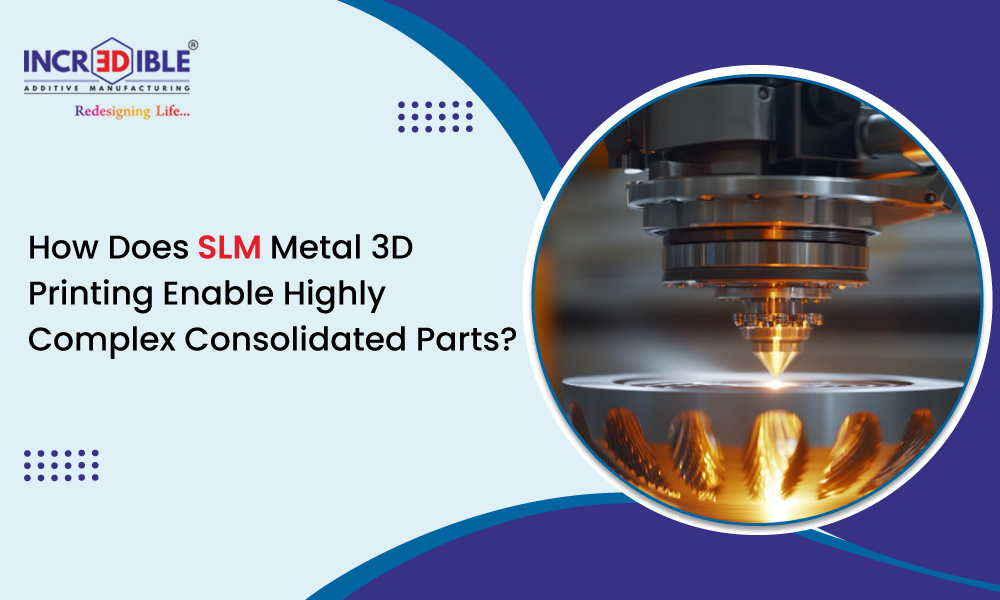
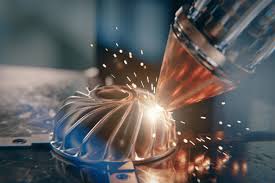
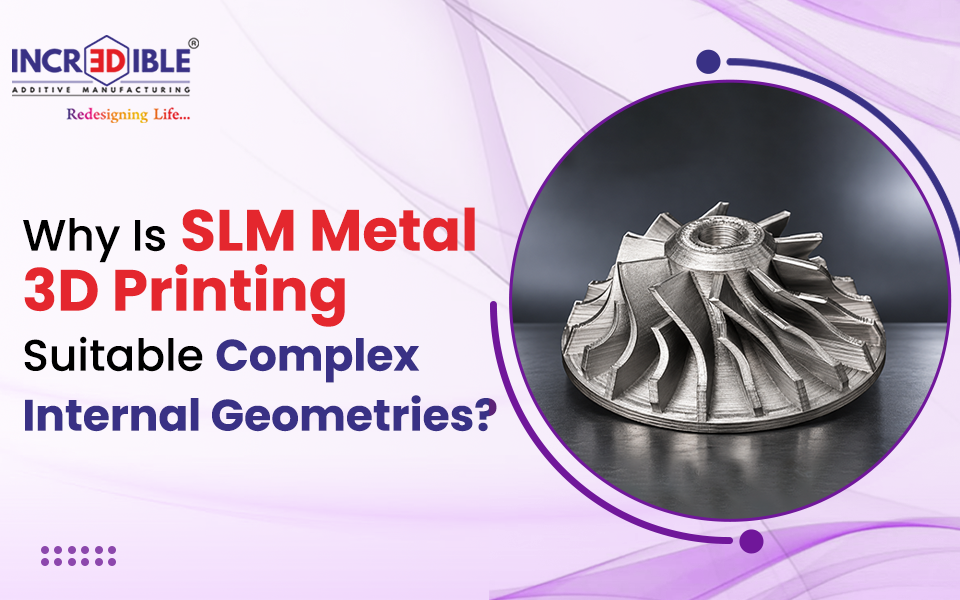
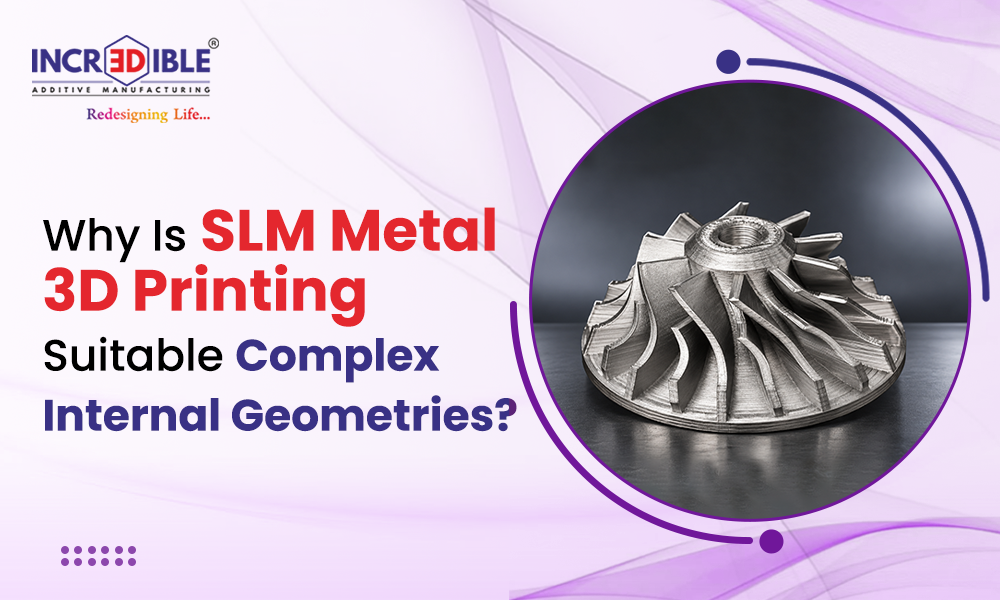
The 3D printing of metal, which is known as Selective Laser Melting (SLM), has changed the way metal objects are designed and produced, especially complex metal objects. Engineers are now able to make single and consolidated parts, which have complex internal characteristics, instead of using several parts to make a complete product SLM Metal 3D Printing not only lowers the weight but also enhances strength and makes the production process easier, particularly in industries where precision and performance are the most significant concerns.
“SLM turns design freedom into functional reality—layer by layer.”
Conventional machining used to offer limitations to the designers in access to the tooling, angles, and even assembly. By additive manufacturing of parts, a layer at a time, Metal 3D Printing services eliminates most of these obstacles based on the digital designs. This permits engineers to design and develop internal conduits, lattice geometries, and organic geometries that were formerly unattainable or too expensive.
For example, aerospace brackets or medical implants can now be redesigned into single-piece structures, reducing joints and failure points while improving performance and durability.
The biggest benefits of SLM metal 3D printing include part consolidation. A single optimized part can be produced using SLM technology instead of producing numerous small parts.
Part consolidations in industries such as automotive and medical devices have proven to be stronger and more consistent than the traditionally assembled parts.
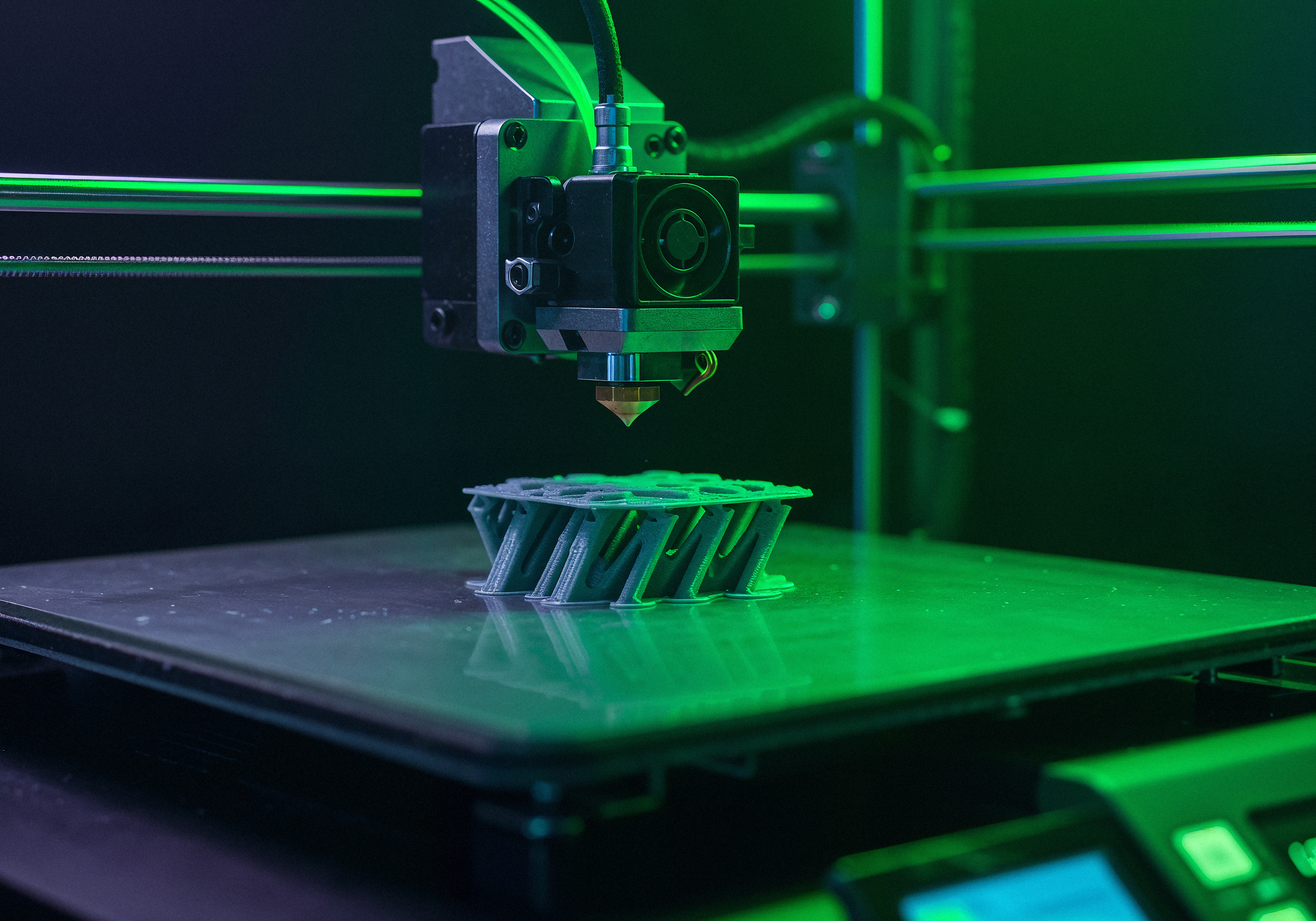
The fact that SLM technology can generate internal features that are not complex and do not need any additional complexity is ultra-powerful. Cooling channels, lattices that are used to reduce weight, as well as fluid pathways, may be constructed on the part.
“Complexity is no longer a cost—it’s an advantage.”
In the example of the tooling inserts, conformal cooling channels enable homogeneous temperature regulation, and medical objects have a porous structure enabling bone assimilation and healing.
SLM is not only able to make complex shapes but also improves performance. Engineers can attain high strength-to-weight ratios and waste reduction by locating material where it is needed.
“SLM delivers strength exactly where it’s needed.”
Example is aerospace lightweight components that are tailor-made, in which there is a direct relationship between the functionality and patient outcomes on one hand and precision and material efficiency on the other.
The SLM integrates several elements into a single one to save time in assembly, minimize risks of failure, and enhance the overall structural reliability.
Complicated geometries, internal channels, and lattice structures can be created without the added tooling or manufacturing complexity.
The efficiency of material placement increases its strength, thermal efficiency, and durability, and maintains the lightness of components.
Digital workflows enable quick prototyping and design iteration to allow engineers to go from their concept to production more quickly.
SLM Metal 3D Printing services is a process that helps an engineer reconsider the design and construction process of parts. Its capacity to generate very complicated, highly consolidated parts opens up the doors to new dimensions of both efficiency and performance.
Key takeaways:
To explore the full potential of SLM metal 3D printing, 3D Engineering may be considered for use in advanced, precision-driven applications.