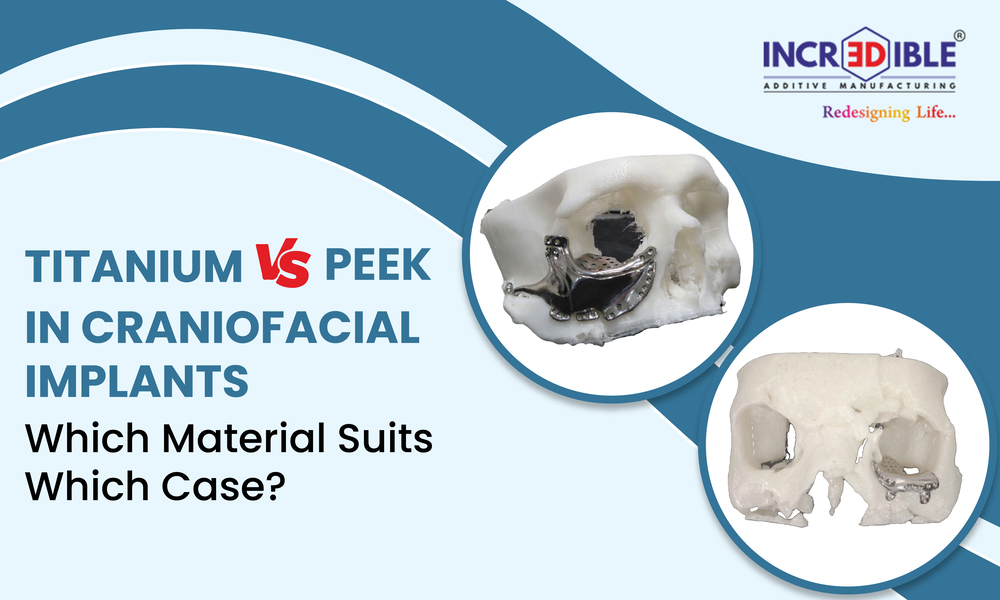
When it comes for implant during the surgery look for PEEK or titanium material known for their own benefits. Titanium is well-known for how strong and well it integrates with bone, whereas PEEK is chosen for its radiolucency and natural flexibility. This article compares both materials to understand which suits specific craniofacial implants more effectively.
Titanium is ideal when mechanical strength and bone integration are critical.
Titanium is a biocompatible metal with a high level of strength and is used in cases where extra stability is needed. Still, having a dense metal like titanium can sometimes decrease the quality of images taken after surgery. Titanium implants are the preferred craniofacial implant material choice for facial fracture fixation, decompression surgery of the skull, and patients with heavy bone stress. Though imaging can be a problem, its strong structure makes it a popular choice among surgeons.
PEEK Offers Better Imaging and Flexibility for Complex Reconstructions
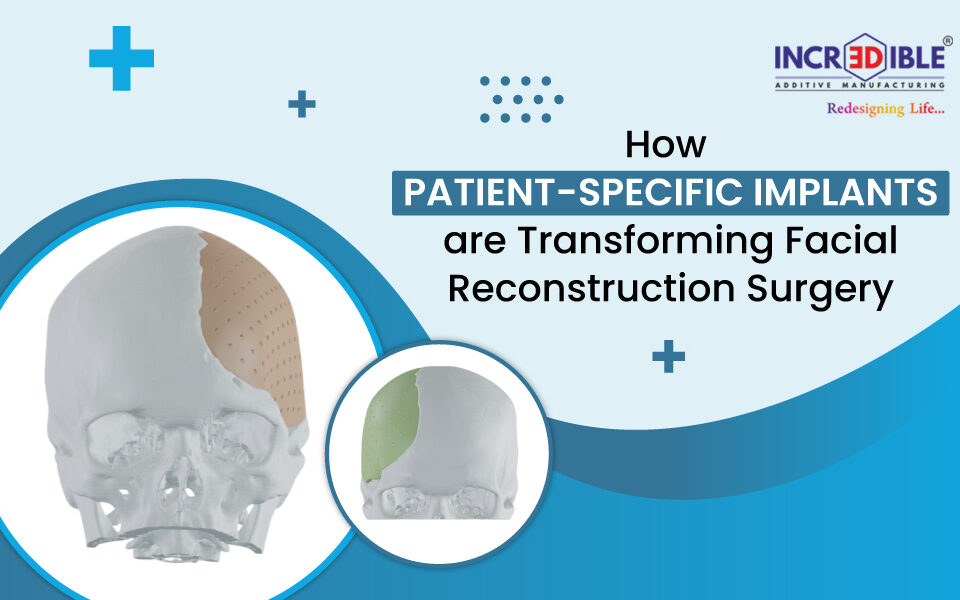
PEEK is made in a lab and possesses properties that are near those of bone, including a matching modulus of elasticity. That means there is less stress shielding, and the material can be used with greater flexibility for complex reconstructions. Its transparent nature helps doctors get clear X-rays, which matters for facial reconstruction and recurrent scans. It is light and safe to use with the body and typically does not cause an immune reaction. PEEK is frequently used in surgery for big cranial injuries or cases where imaging is important after the procedure. Even though making these instruments is more complex, the outcome usually justifies the effort.
Patient-Specific Needs and Surgical Environment Play a Major Role
Implant selection often rests on factors including how large the defect is, the quality of the patient’s bone, and any medical history. The choice of 3D printed implants is affected not only by the patient’s attributes but also by the surgeon’s knowledge and the procedure carried out. If you are elderly or have other health problems, the lower stiffness and flexibility of PEEK can be better. If a patient is young or engages in activities that put a lot of strain on the head, titanium’s strong and dependable properties may provide more safety. Price, availability of the devices, and the level of complexity in the planned design also help determine which material is used.
Which Material Allows for Better Check-Up After Surgery?
Doing imaging after the surgery is essential for monitoring in craniofacial implants. The radiolucent attribute of PEEK makes it easy to see the bone below through X-rays and CT scans. It is easier to observe healing, catch complications early, and maintain good long-term results in this way. On the other hand, titanium’s opacity might make it difficult to see important details in imaging studies. As a result, if perfect images are important, particularly for heavy or complicated reconstructions, surgeons usually prefer PEEK implants.
Conclusion
At the end of the day, you should decide what is best for the patient, the purpose of the surgery, and ongoing health needs. Companies such as 3D Medical are important because they offer cutting-edge, customized 3D printed implants that use both titanium and PEEK to meet the changing needs of modern reconstruction.