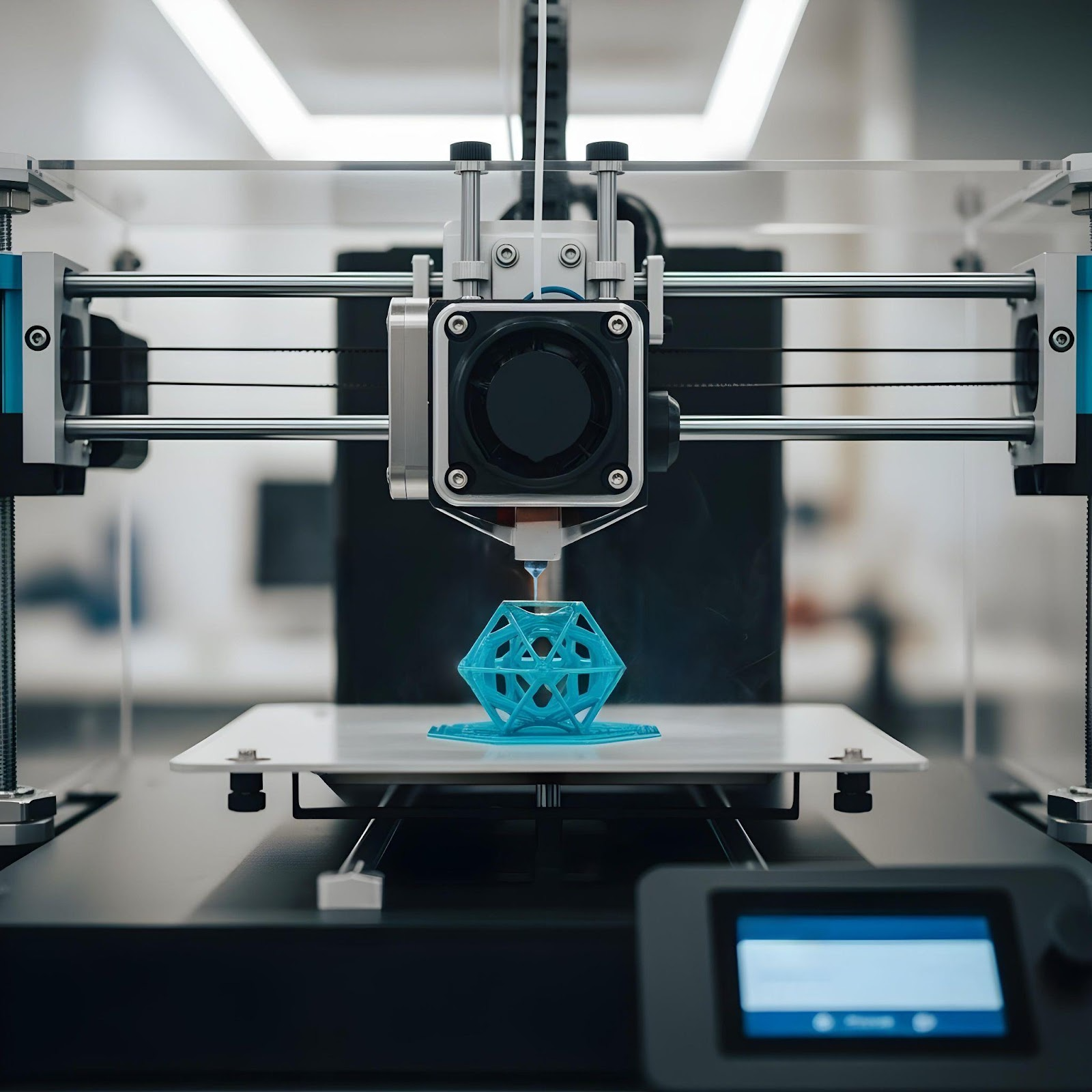
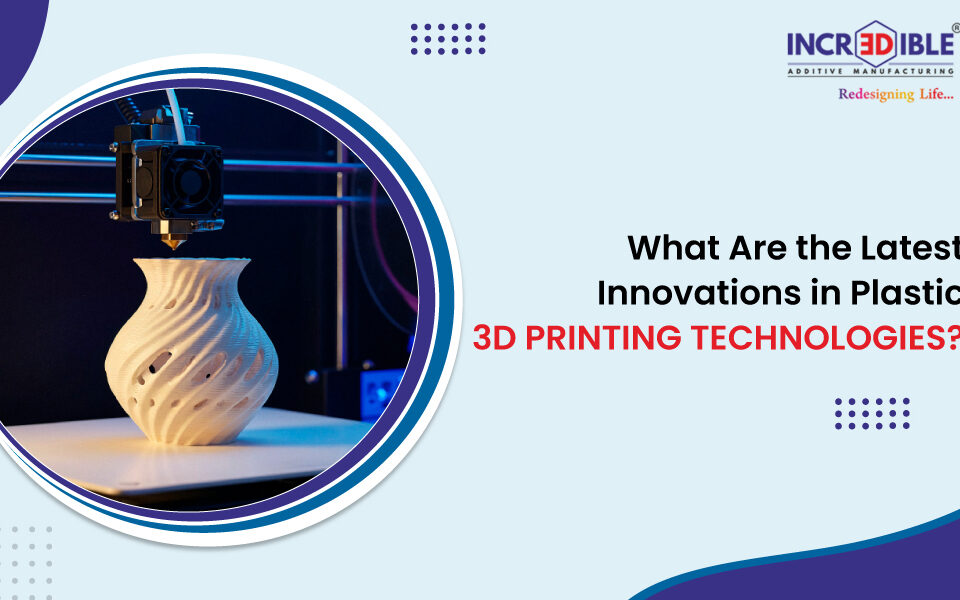
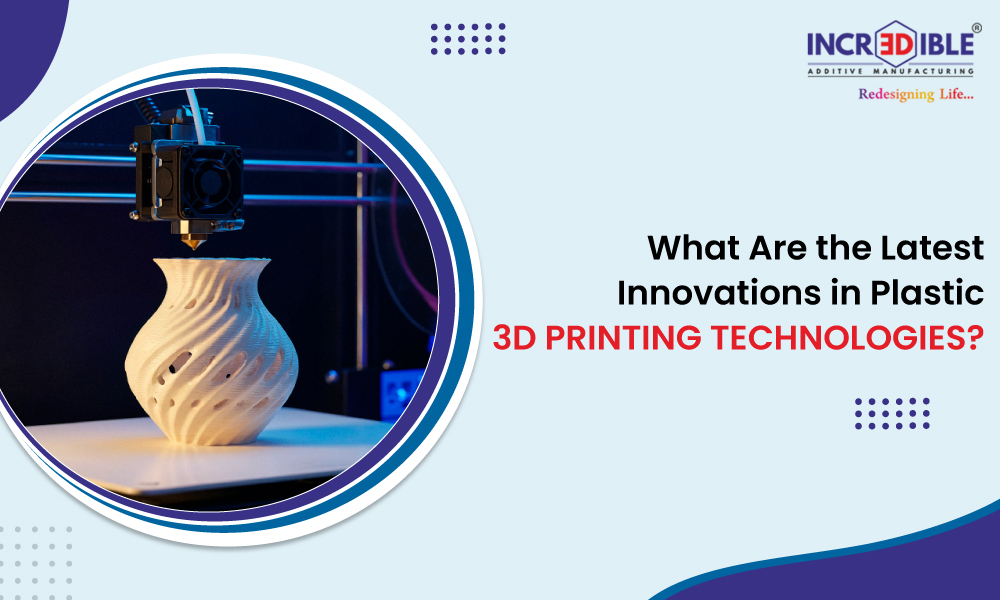
Plastic 3D printing is rapidly becoming more than a fad; it is the foundation of the new wave of customization. Its power lies in its ability to deliver products at low cost, quickly, and with unmatched flexibility, which traditional methods cannot match. Companies are increasingly producing items tailored to customer needs while remaining affordable and scalable, reshaping the future of manufacturing.
“Print what you need, when you need it – at lower cost.”
1. On-Demand Production – Printing Exactly When You Need It
Plastic 3D printing for manufacturing fuels on-demand production, meaning companies no longer need massive inventories or long-term forecasts. Components can be printed as needed, which:
Eliminates scrap: – Reduces material waste by producing only what is required.
Lowers storage expenses: – Minimizes the need for large warehouses.
Responds instantly to market demand:– Lets companies adapt to customer needs quickly.
For instance small automotive firms can now print limited-run car parts instead of holding large inventories, saving both space and money.
2. Personalization Power – Why Plastic 3D Printing Leads the Way
Plastic 3D printing service excels in personalization, allowing products to be tailored for individual users. This is especially valuable in industries like healthcare, fashion, and consumer goods.
Custom-fit medical devices: – Braces and prosthetics designed for specific patients.
Limited-edition consumer goods: Unique designs for exclusive product lines.
Personalized wearables: Phone cases, jewelry, or accessories made to individual taste.
By delivering truly personalized products at scale, companies can satisfy customer expectations while standing out in competitive markets.
3. Cost Advantage – Quality Without the Heavy Price
Plastic 3D printing provides a financial advantage over traditional manufacturing, especially for small batches or customized products. Conventional methods require costly molds, tooling, and long production runs, making prototypes or limited editions expensive. In contrast, 3D printing produces high-quality parts directly from digital designs, eliminating these setup costs.
This allows businesses—particularly start-ups and small enterprises—to experiment with ideas, test prototypes, and produce limited runs without breaking the budget.
Example: A start-up designing eco-friendly packaging can print multiple prototype designs in-house at minimal cost, test them for usability, and scale production only for the winning design. This accelerates innovation while keeping costs low.
4. Rethinking Production – Can Plastic 3D Printing Replace the Old Way?
While not fully replacing traditional manufacturing, plastic 3D printing is reshaping production strategies. It works best for:
Small-volume runs
Highly customized products
Components difficult to produce with conventional methods
On-demand printing reduces waste, avoids overproduction, and allows companies to respond rapidly to market changes. As materials and technology improve, 3D printing is becoming a core part of production strategies. What once seemed experimental may soon be standard practice, enabling companies to rethink how they design, produce, and deliver products.
Example: Small automotive or tech firms can now produce custom parts or prototypes in-house without relying on external suppliers or waiting weeks for traditional manufacturing.
5. Design Freedom – Expanding the Creative Possibilities
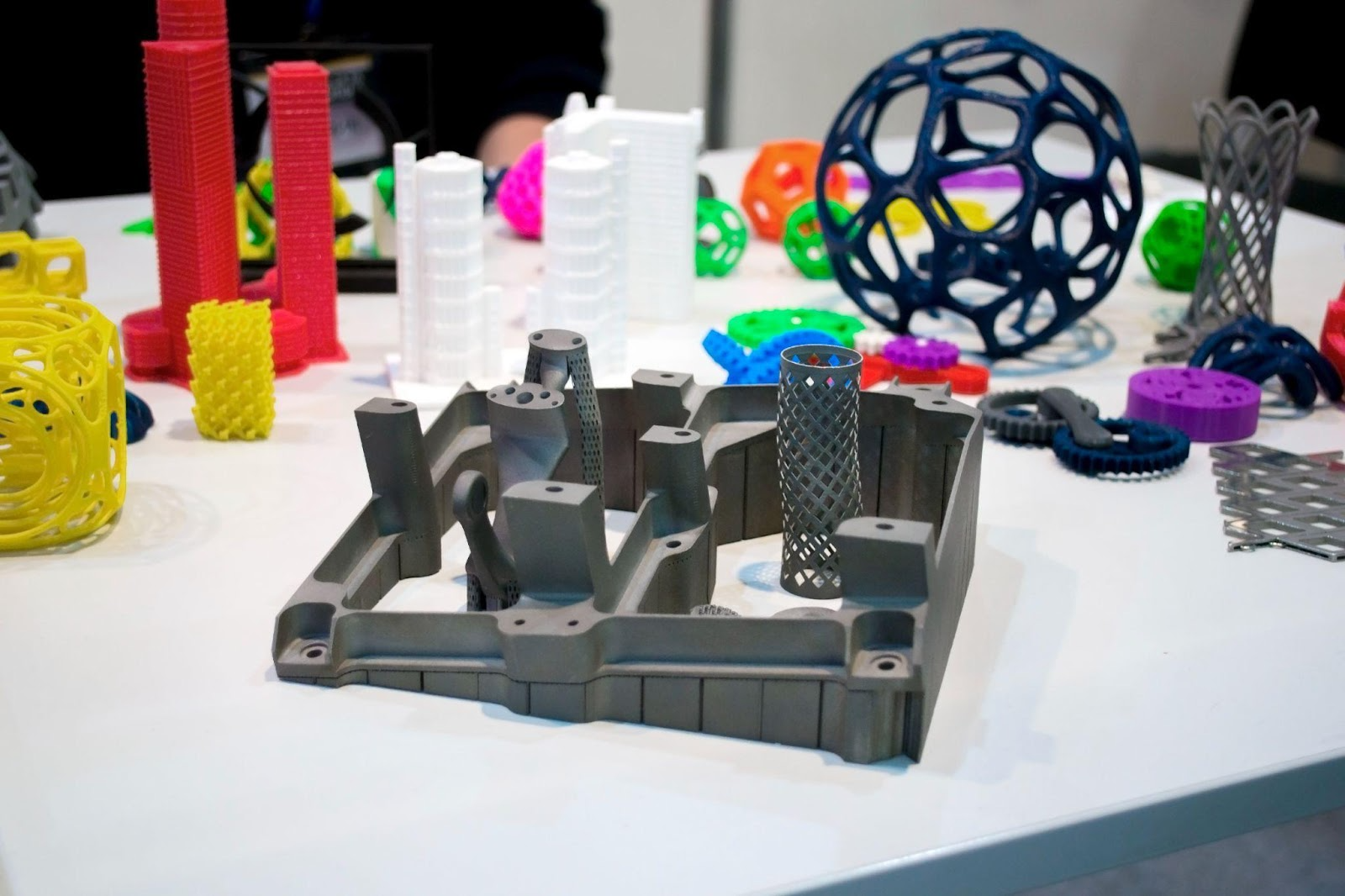
Design freedom is one of the most thrilling factors why plastic 3D printing is the next big thing. Customized 3D printed products are easy to create complex shapes, lightweight structures, and complicated details. It allows designers and engineers to create:
Complex shapes
Lightweight structures
Intricate details
These designs would be impossible or costly with traditional methods. Combined with on-demand production, personalization, and cost efficiency, 3D printing empowers rapid innovation and creative exploration.
6. New Opportunities – Industries That Benefit Most
Plastic 3D printing is transforming the way businesses operate, creating new possibilities across a variety of industries. Its flexibility, speed, and cost-effectiveness allow companies to produce items that were previously too expensive or time-consuming to make.
Plastic 3D printing is opening doors across multiple sectors:
Automotive: Rapid production of spare parts and prototypes.
Healthcare: Custom-fit medical devices for individual patients.
Consumer goods: Personalized accessories, gadgets, and limited editions.
Start-ups: Cost-effective prototyping and small-batch production.
By enabling faster, flexible, and cost-efficient production, 3D printing allows companies to respond to customer demands and market trends like never before.
Conclusion – A New Era of Affordable, Fast Customization
Customized 3D printed products are reshaping manufacturing by making speed, affordability, and customization achievable at the same time. It allows companies to innovate freely, produce personalized products, and respond quickly to changing market demands. By combining on-demand production, cost efficiency, design freedom, and personalization, 3D printing empowers industries to rethink how they design, produce, and deliver products.
At a Glance – Key Takeaways:
Produce on demand: Reduce waste and storage costs while responding quickly to market needs.
Personalize at scale: Create custom products for individual users without extra cost.
Lower costs and prototype faster: Avoid expensive molds or tooling for small runs.
Enjoy design freedom: Create complex, lightweight, and intricate parts that were impossible before.
Drive innovation: Test, refine, and launch new ideas faster than ever.
As technology advances, it promises a future where manufacturing is smarter, more flexible, and centered around the needs of both businesses and customers.