The modern innovation process is lightning fast, and the force behind it is known as rapid prototyping. Rapid prototyping with 3D printing has minimized the difference between imagination and reality since the designers and engineers can transform digital ideas into physical models within record time. From the automotive industry to the healthcare sector, rapid prototyping is transforming the way products are being designed, tested, and launched.
“What once took months of planning can now happen in days—thanks to rapid prototyping.”
Rapid prototyping service allows industries to be more experimental and implement changes in real time without stopping the production line.
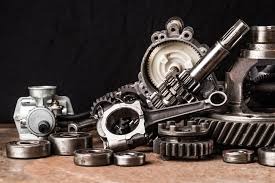
Automobile (Car) Case: Rapid prototyping is applied by automotive manufacturers to perform tests on engine components and aerodynamics prior to full production.
Healthcare Case Study: The developers of medical devices 3D-print surgical tools and implants based on the requirements of patients.
Such flexibility leads to improved products and timely delivery
Cost-effective without risking quality
Traditional manufacturing is usually costly and wasteful for prototype development. Rapid prototyping gets around these challenges through the creation of accurate digital models and additive manufacturing.
Reduced Material Waste: Parts are manufactured in a layer-by-layer fashion, which minimizes material waste.
Reduced Labor Bills: Automated manufacturing saves man-hours of labor and rework.
Early testing of the product: This ensures the elimination of errors before mass production.
Making Complex Designs Real
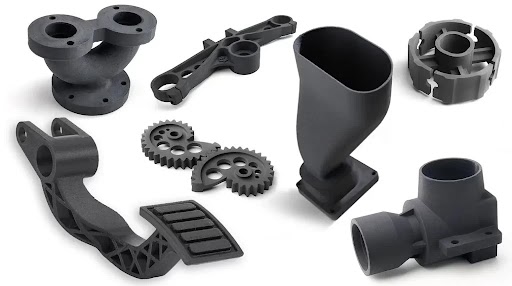
The industries nowadays are based on more complicated geometries and a high degree of customization that used to be hard or even impossible to manufacture. 3D printing services allows the engineer to develop complex designs, lightweight parts, and even bio-inspired structures, which could not be made using the conventional process.
“From aerospace turbines to personalized prosthetics, complexity is no longer a challenge—it’s an opportunity.”
With this change, industries are able to go to creative and utilitarian extremes and come up with stronger, lighter, and more efficient designs.
Between Concept and Market--Snap On!
The speed at which an idea can go through the conceptualization-to-production process has altered the innovation rate. Firms can experiment with several designs of a product, receive responses, and roll out with confidence in a fraction of the normal period.
“Rapid prototyping service shortens the innovation cycle, empowering businesses to stay ahead of competition.”
The principal advantages of rapid prototyping
Faster Designing Cycles: Reduces the month-long development cycles to days.
Improved Work Team Cooperation: Allows designers, engineers, and clients to make real-time contributions.
Better Product Quality: Find the defects in design at an earlier stage to perform well.
Lowered Costs: Reduces material wastage and rework costs by a great deal.
Customized scaling allows for tailored solutions across various industries.
Conclusion
Innovation is being redefined by rapid prototyping with the combination of speed, accuracy, and creativity. The future is of the people who can translate ideas into outcomes in an effective manner—and that is what rapid prototyping can allow.
In summary:
Boosts innovation speed
It improves the accuracy of product testing
Lowers production costs
Promotes teamwork and liberation
To the industries that are willing to introduce the new generation of ideas, it is time to consider 3D engineering, which offers the latest innovative options of Rapid prototyping with 3D printing.