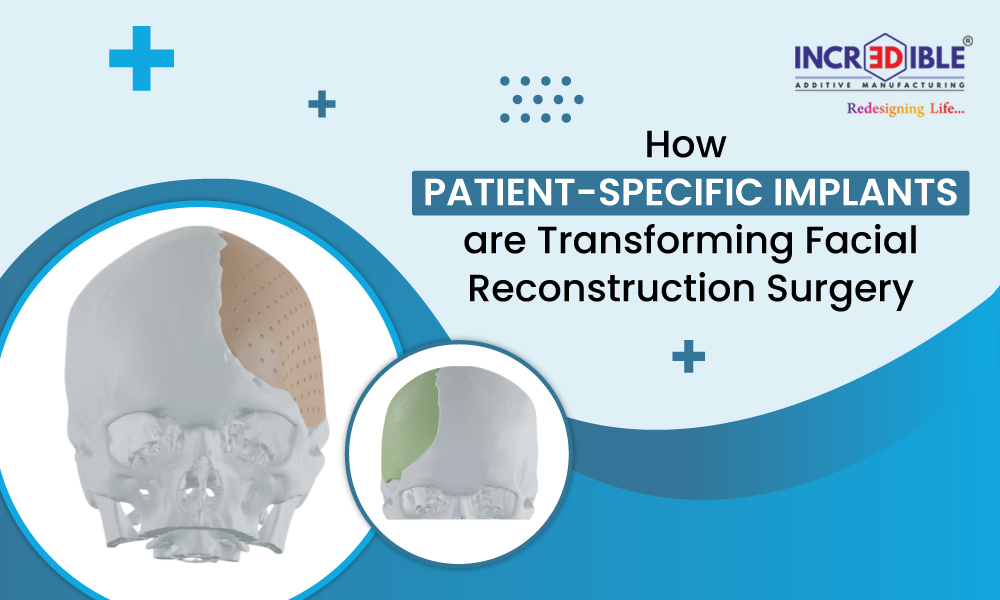
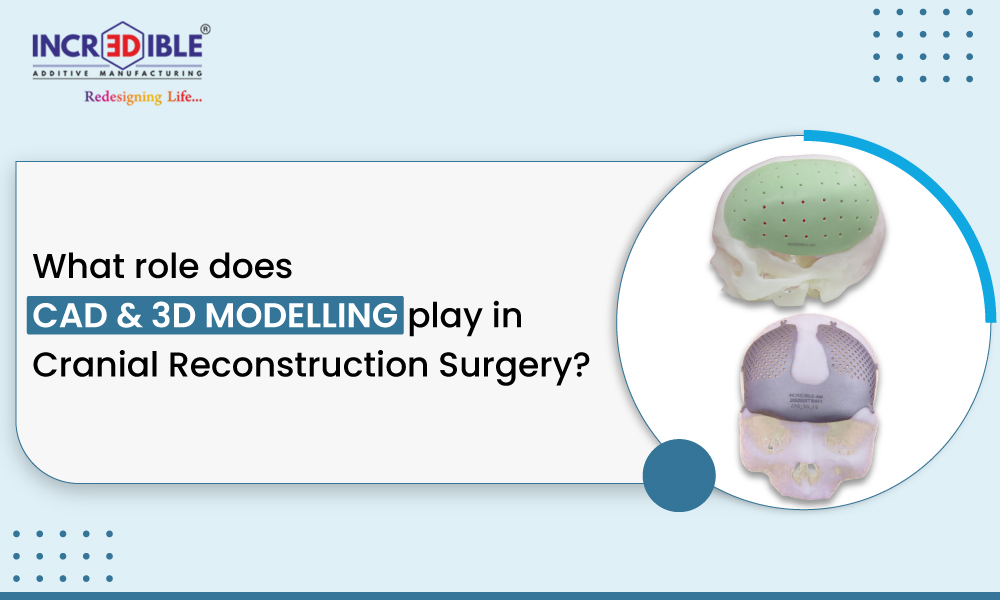
Facial reconstruction surgery has been developing at a very fast rate, whereby it is not a one-size-fits-all procedure anymore but rather precision-based and patient-centric care. Modern technologies have enabled surgeons to create patient specific implants that fit the anatomy of an individual with very high precision. Not only is this shift enhancing surgical outcomes, but it is also shortening the time of recovery and increasing patient confidence after complicated facial surgeries.
The reconstruction is restorative when the implants are made to suit the patient, rather than the average.
The Knowledge of Patient-Specific Implants in Facial Surgery
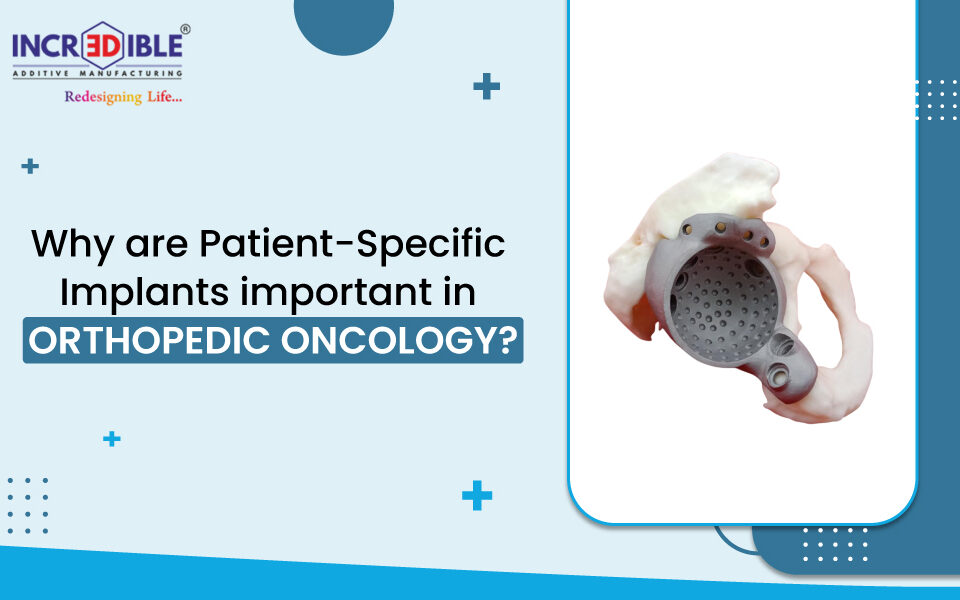
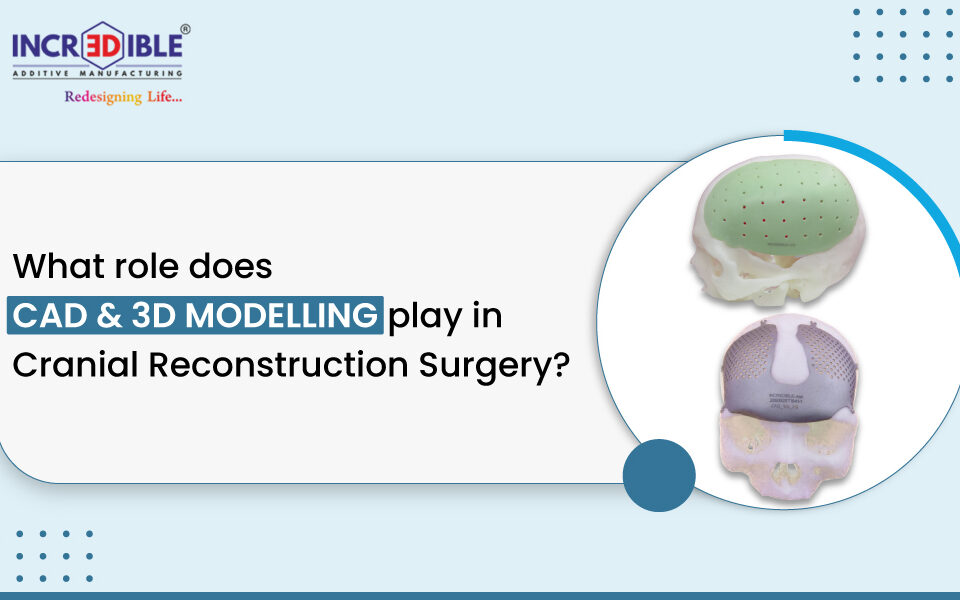
The implants for facial reconstruction surgery represent a type of custom-designed medical equipment that is designed on a patient-specific CT/MRI scan. Surgeons get implants that already fit the face instead of having to reshape them by hand during the surgery of the person in need.
The method enhances the fit and symmetry, particularly in complicated situations such as trauma or congenital defects. Indicatively, in orbital floor reconstruction, customized implants are used to restore the eye position precisely, minimizing the post-surgical complications and revision surgeries
Digital planning and its benefits in enhancing the accuracy of surgery
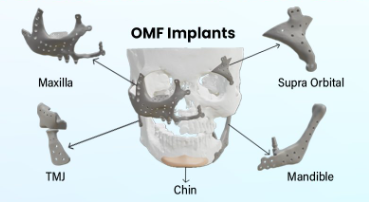
Virtual surgical planning can be done by using digital tools even prior to the start of surgery. Surgeons are able to see bone voids through OMF Implants, test the placement of implants, and foresee difficulties beforehand.
Such pre-planning minimizes the uncertainty in the operation and minimizes the duration of the operation. Digital simulations in the context of maxillofacial trauma cases can ensure that the implants fit perfectly well into the bone surrounding them, and this way, they facilitate functional recovery as well as achieve a natural look.
Confidence during surgery is the result of precision before surgery.
Better Fit of Implants by way of faster healing
An implant that fits well does not just appear to be good; it aids in achieving biological healing. Depending on the implants being able to be molded to perfectly match bone shapes, the stress will be evenly dispersed and will be easier to integrate with the surrounding tissue.
In one example, cranial or cheekbone implants that are patient-specific minimize movement when placed, thus reducing the risk of infection and enhancing long-term stability. Patients tend to have less swelling, less pain, and faster recovery, which is a great enhancement to the overall treatment experience.
The nearer the better, the quicker the healing.
The Main Advantages of Patient-Specific Facial Implants
Better Precision in Surgery.
Custom implants are precisely molded to the shape of the patient, eliminating the need to make slight modifications during the operation and providing a consistent and predictable surgical outcome.
Reduced Surgery Time
Ready-made implants reduce the time and exposure to anesthesia and operations through pre-shaping of the implants.
Better Aesthetic Results
Customized designs are more natural in restoring the facial symmetry and enhancing patient confidence and satisfaction.
Lower Risk of Complications
An exact fit minimizes the mobility of the implant, infection possibilities, and revision surgery.
Conclusion
Face reconstruction is gaining a new meaning with the incorporation of technology, precision, and the use of personal attention in patient specific implants. They permit a better way of planning operations, operating with more speed, and producing results that look and feel more natural to the patients.
In summary:
Tailor-made design enhances accuracy.
Online planning improves performance.
A fine fit is helpful in quicker recovery.
There is increased patient satisfaction.
The best solution, where technology and patient-centered care meet, is 3D Medical, which explores advanced and reliable solutions in personalized reconstruction.