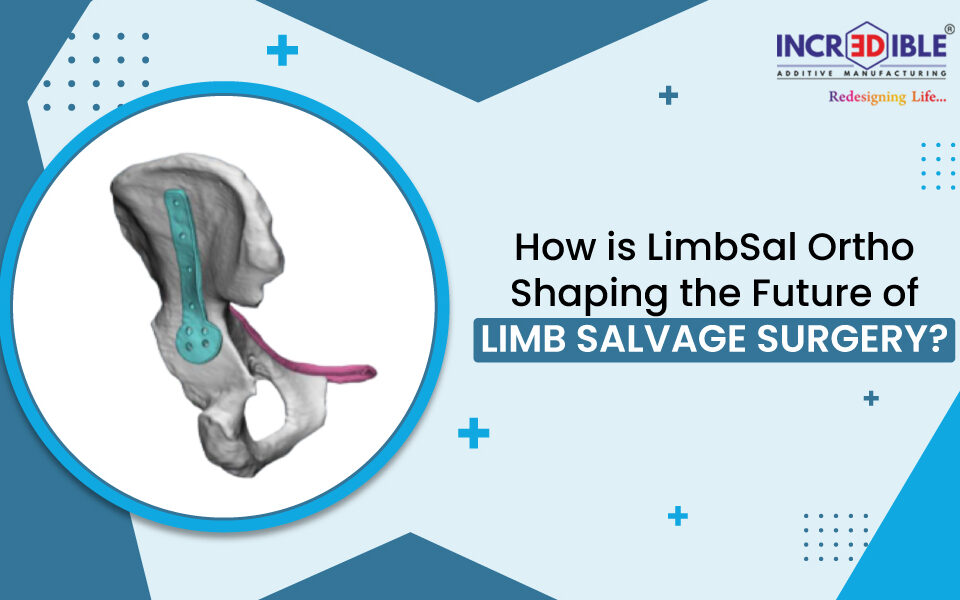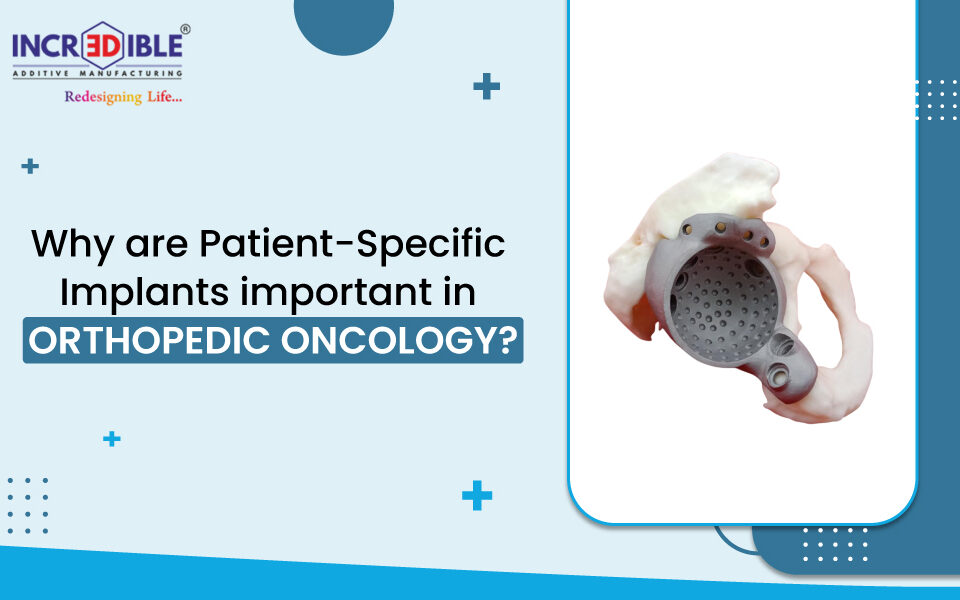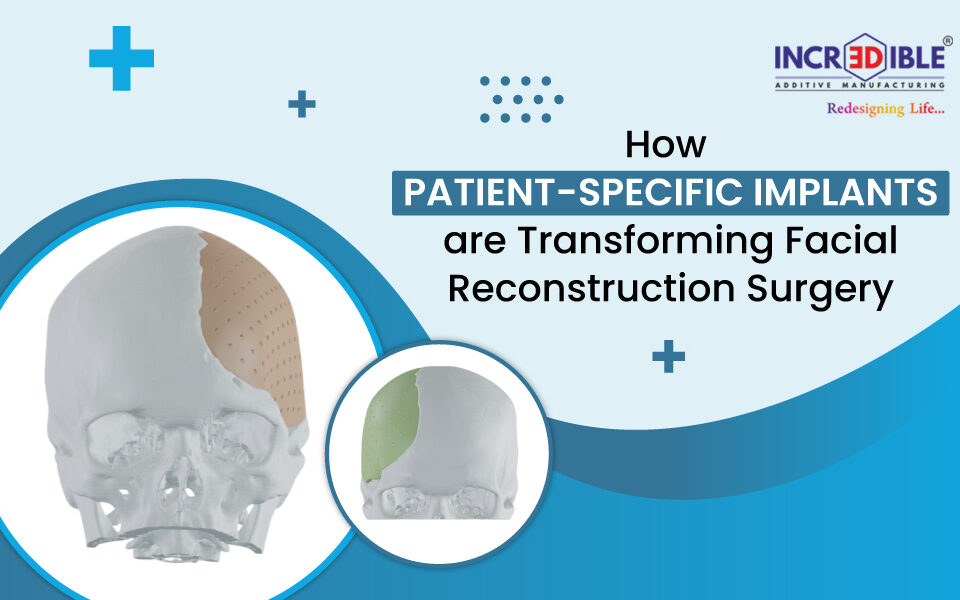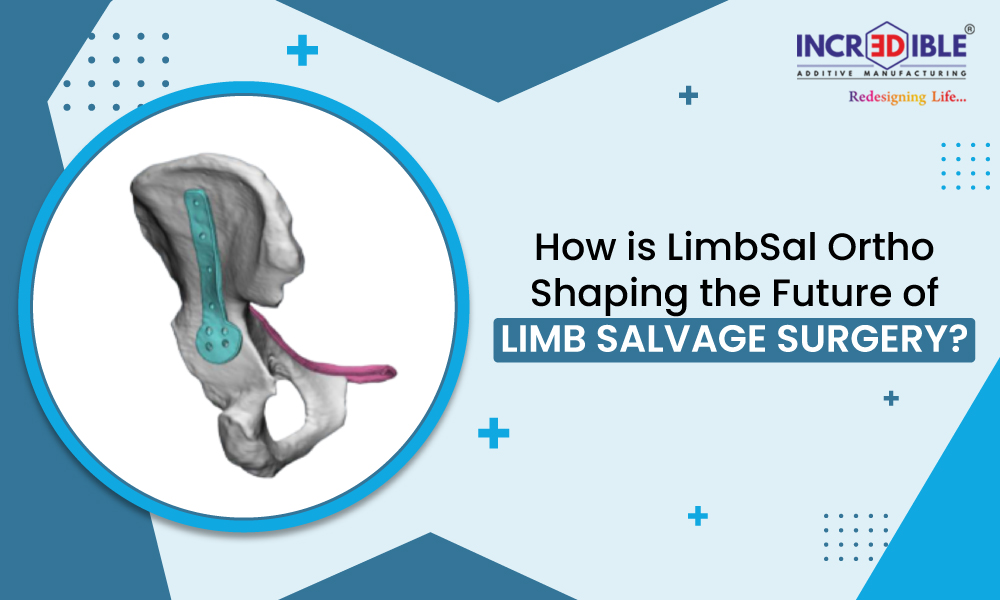
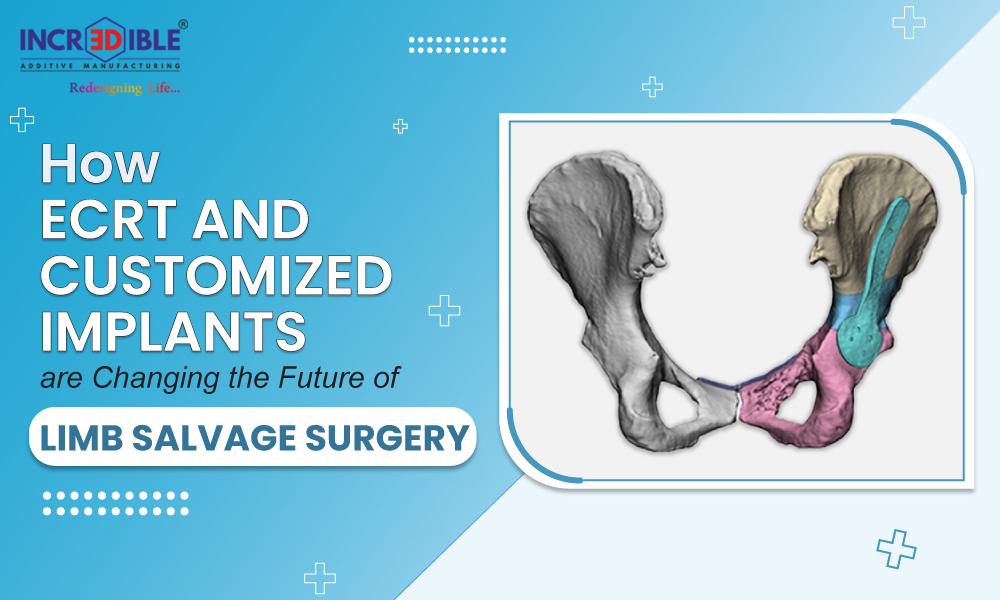
In recent years, limb salvage surgery has become much better at treating illnesses and complications like bone cancer and complex fractures. The usual options ended up as major surgical cuts or metal parts that didn’t perfectly match the patient’s body, making it harder for them to move properly. New techniques, like extracorporeal radiotherapy and customized implants for limb salvage, are changing the way surgeons treat limb preservation. Because of these techniques, doctors can give each patient a better treatment that leads to improved long-term results. Advances in medical technology are now giving patients who used to lack options new chances for treatment.
What makes ECRT useful in helping to preserve bone in difficult cases?
First, diseased bone is taken and sterilized with strong radiation, and then the patient’s bone is inserted back into place. Since this technique keeps the bones unchanged, it is extremely useful for children or those with special anatomical characteristics. When used instead of allografts or prosthetics, ECRT cuts the risk of the immune system rejecting it and provides for better integration with the body. By treating tumors by surgery, doctors can maintain both full limb use and length. 3D printed implants not only increase freedom of movement but also keep you comfortable with your bones and helps with recovery.
What makes custom implants such an important innovation in saving a limb?
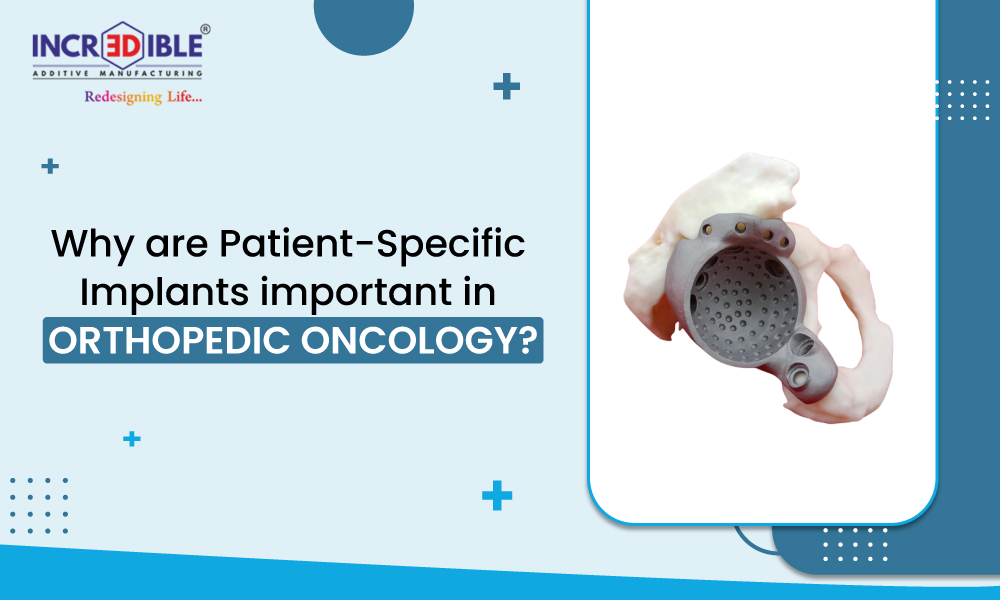
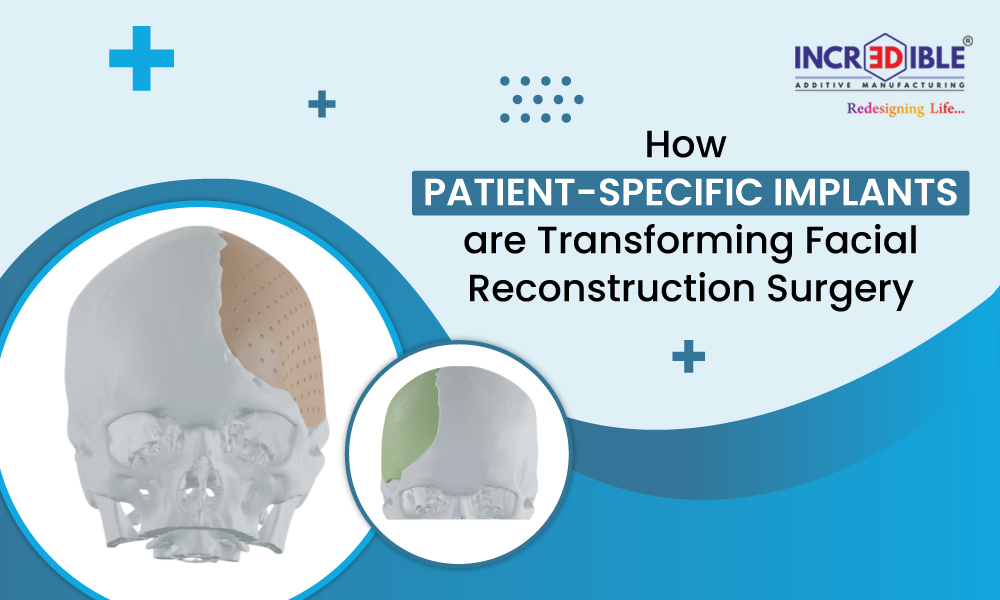
Special 3D images show how the implants should be made so they perfectly fit each patient’s structure. Instead of standard implants that often require bones to be modified, custom implants slip smoothly into place and make the surgery easier and more comfortable for the joint. If a bone has been lost or a tumor is removed, these implants help bring back the limb’s shape correctly. The risk of a joint coming loose or having an issue is reduced because it is fitted to the patient. With platforms like Materialise and collaborations with surgical planning software, the use of customized implants is gaining momentum in modern orthopedic care.
Better outcomes than conventional methods
Traditional limb salvage surgeries often involve complications like implant mismatch, infections, or even the eventual need for revision surgeries. In contrast, ECRT and customized implants provide a biologically and mechanically superior alternative. They gain better control over their limbs, less pain, and lasting results. They help cut the length of surgery, the amount of bleeding, and the time in the hospital, so recovering after surgery becomes faster and safer. Ever more surgeons are using custom orthopedic implants, resulting in an evolution of care standards in orthopedic oncology and trauma situations.
Improved accuracy in surgery
The success of both ECRT and custom implants is mostly determined by good preoperative planning. Using 3D modeling, surgeons inspect complex situations, prefigure the outcome, and create implants that fit the patient with almost no margin for error. Such changes reduce errors and increase how precise surgeries are. When used with computerized tools and individual patient guides, these instruments lead to safer and more certain results. Rather than just focusing on technology, this development improves the way we care for people with limb-related health problems.
Conclusion
These changes mark a new approach to saving patients’ limbs. Thanks to better anatomy, fewer complications, and faster recovery, these options help patients live pain-free. As the field progresses, the difference between just surviving and having a good life becomes smaller. Should you be interested in complex limb salvage, speak with an expert in the field. Think about 3D Medical for access to the 3D printed implants, latest tools and caring support that is specially designed for your needs.