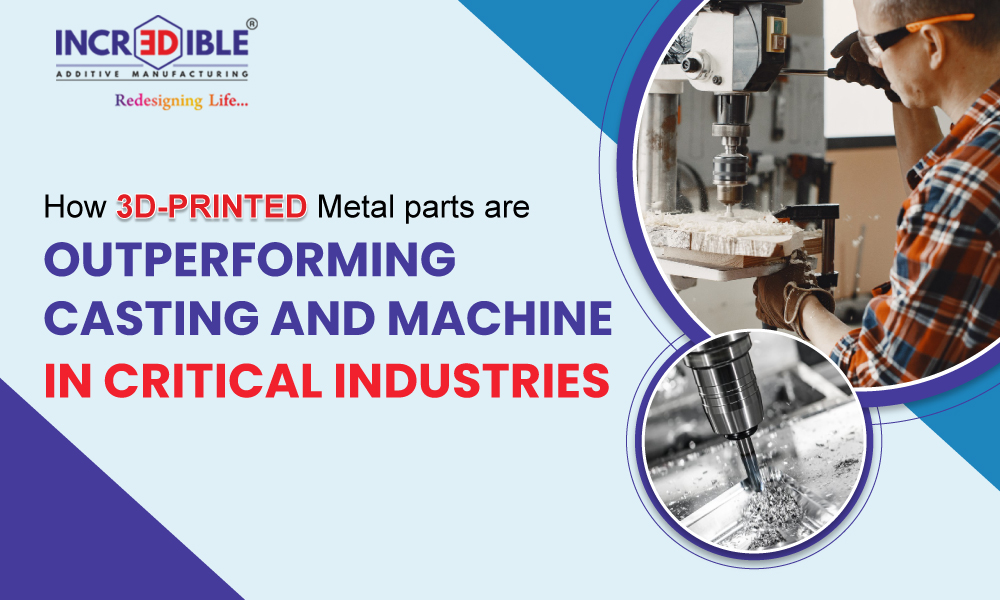
3D printing of metal parts is already playing an important role in aerospace, automotive, and healthcare. Until now, casting and machining were considered the best options for creating metal items, but 3D printing is different in many ways. Fast lead times, less waste, and more ideas for design are being made possible by additive manufacturing. The production of more innovative and high-performing products is leading industries to realize that metal 3D printing is often the most valuable solution.
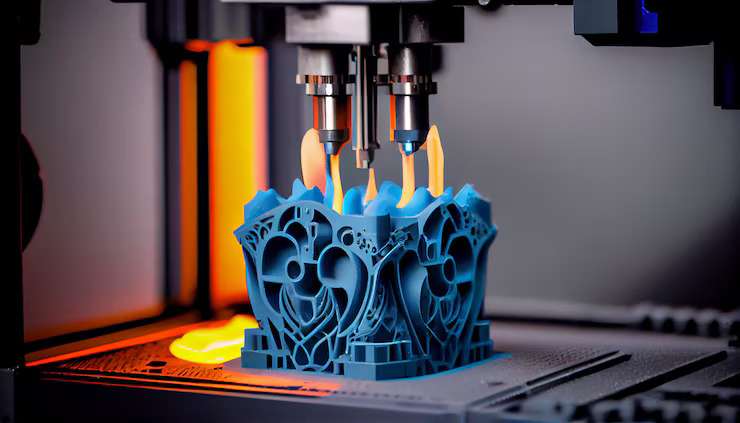
3D-Printed Metal Parts Allow for Intricate Designs That Casting Can’t Match
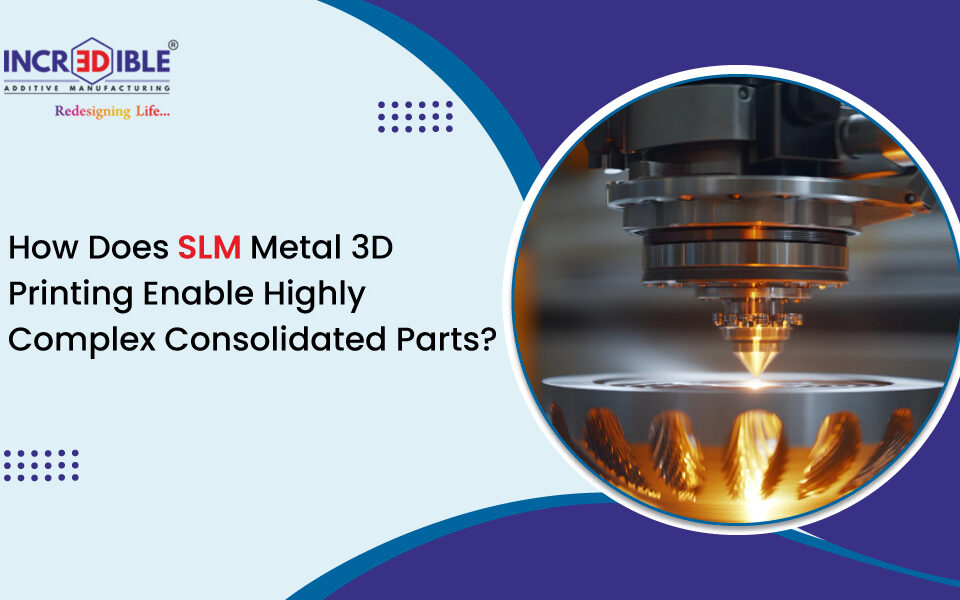
The complexity of a part using traditional management techniques like casting and machining is almost always limited because of the shape of the mold or tool used. Parts are produced with internal spaces, lattice patterns, and a slender structure because metal is formed in layers by 3D printing service. In aerospace and medical fields, complex shapes are important because their benefits come from reducing the weight and improving the flow of various fluids. It is the main reason why 3D printing helps engineers solve design issues that cannot be resolved with traditional casting and machine parts.
.
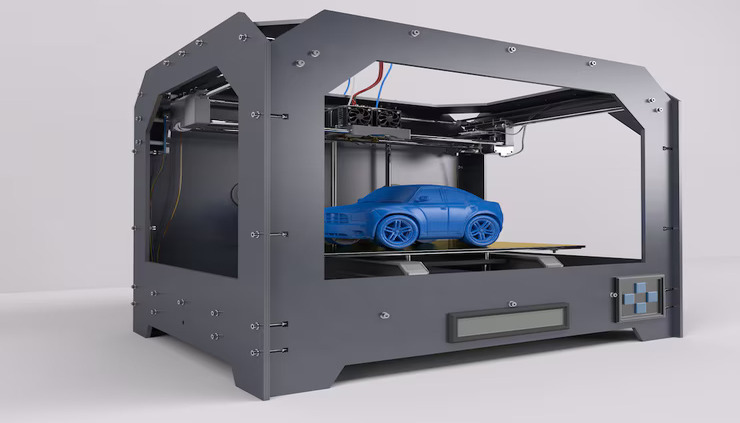
Faster Prototyping and Shorter Lead Times Are Changing Production Timelines
Thanks to metal 3D printing parts, businesses can accelerate their product development. With 3D printing, you only need a digital model to start, while casting requires weeks of advance preparation. Manufacturing these parts using data reduces the time it takes from designing to getting the parts delivered. Since there is constant development in robotics and automotive, companies can drag part development through testing and updating, which gives them an edge in a cutthroat market.
.
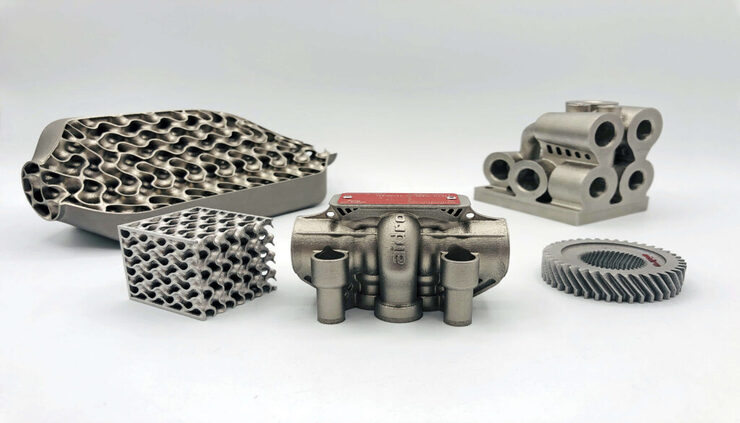
On-Demand Manufacturing Offers Cost Savings in Low-Volume and Custom Applications
Economies of scale allow casting to be cost-effective only when a large number of parts are being produced. In comparison, making metal parts with 3D printing is flexible and convenient for those who don’t need to repeat work. As a result, healthcare could benefit from implants designed for each patient, and aerospace industries could improve their tools. Demand-driven making of parts means that warehousing is no longer needed since printing occurs only when necessary.
.
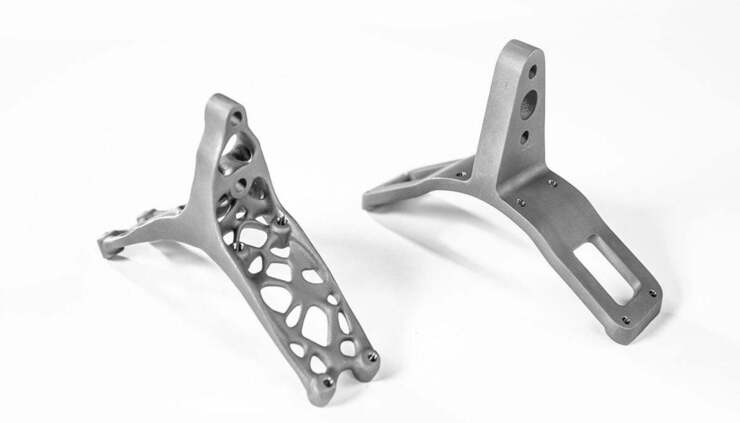
Is 3D Printing Reliable Enough for Critical Industry Applications?
There is a doubt among many 3D printing for industries can be used in key areas that demand high quality. The secret comes from the construction of the parts. With LPBF, components are made with much higher material density and fewer internal pores than what some casting processes can achieve. While the features of 3D-printed items depend on the method and further processing, newer technologies are helping to ensure their reliability in various applications.
.
Could 3D Printing Be Less Expensive Than Machining and Casting?
How much the part will be produced and how complex it is impacts cost-effectiveness. Parts that are produced in large quantities are often cast at a lower cost. Still, for complex shapes and less-than-standard orders, 3D printing parts is the most efficient method. Because the process does not use molds or specific machines, waste is reduced, especially for any shapes that would involve many tools or pricey molds. So far, the total cost for 3D printing is going down as printing becomes easier and metal powder is easier to source.
Conclusion
When high precision, quick results and innovative ideas matter, companies are often opting for 3D-printed metals over anything else. Being able to create sophisticated and effective parts instantly with a quick turnaround is very beneficial for industries. This is why, despite their usefulness, casting and machining often lose out to 3D printing service for providing the greatest results and making things more convenient today. Companies such as 3D Engineering are helping to move this industry forward, providing 3D solutions that surpass other methods and bring fresh opportunities to metal factories.