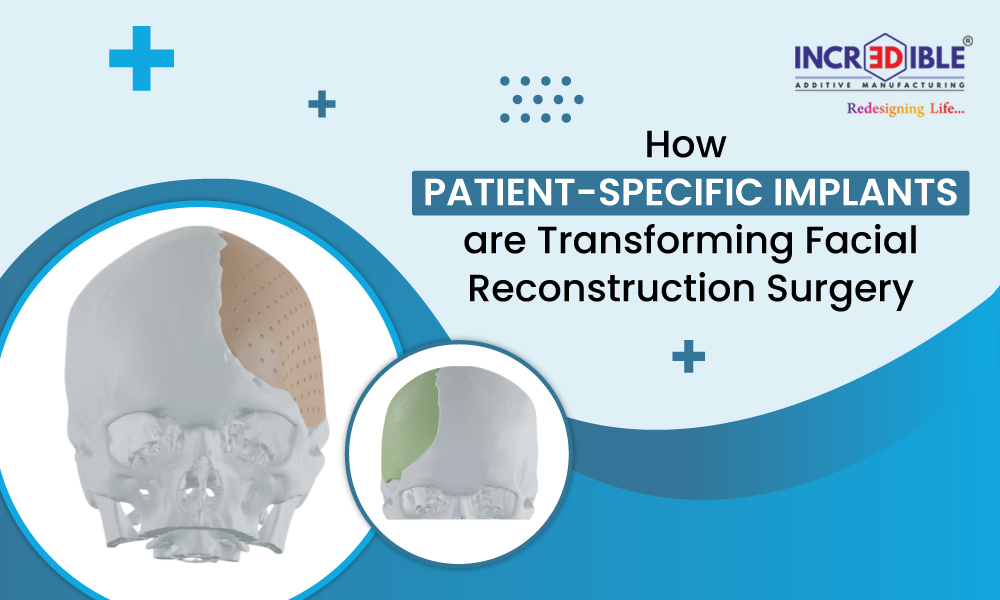
The precision and care needed to restore the shape and functionality of the skull following a trauma or surgery are very demanding. That is where the patient specific cranial implants come in handy. Through the combination of emerging 3D technology with a medical team, every implant would be crafted to match the specific anatomy of a patient to enhance comfort, safety, and recovery rates.
“Personalized implants aren’t just a medical innovation—they’re a life-changing bridge between healing and technology.”
Accuracy in Each Minute Detail—Designed to Suit the Individual Anatomy
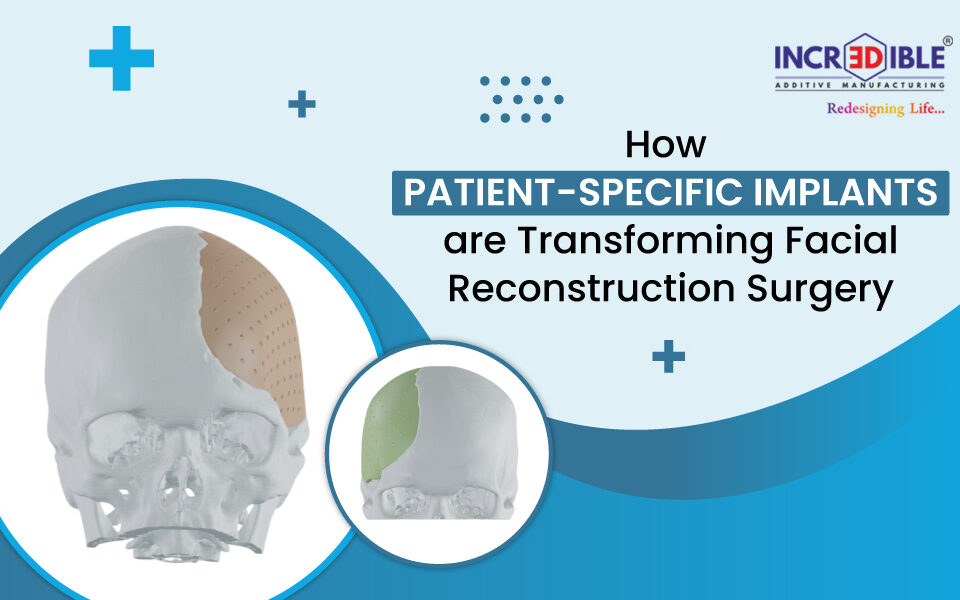
The cranial structure of every patient is different. 3D printed cranial implants employs high-resolution CT scan data to produce precise models in 3D of the skull, enabling engineers and surgeons to design implants that perfectly fit the missing bone area. The digital workflow eliminates surgical intuition and results in an implant that perfectly fits the shape of the patient with a natural, safe fit.
Scan to Surgery—A Slimmed Down Design Process
When the digital form is ready, the use of advanced CAD software and simulation tools is involved. Mechanical strength, symmetry, and stability are tested by engineers before production. This involves a team of biomedical engineers and surgeons to ensure accuracy in clinics and the reduction of post-surgical complications.
“From visualization to reality, every 3D-printed implant tells a story of precision and hope.”
Self-healing and self-protecting smart materials
3D Incredible applies certified medical-grade materials that can be characterized by safety, durability, and biocompatibility. These include:
PEEK (Polyether ether ketone): This is lightweight, non-reactive, and resembles the bone of nature.
Titanium: Titanium is regarded as being strong and long-lasting during the process of reconstructive surgery.
PMMA (Polymethyl methacrylate): It is the best choice when it comes to temporary or emergency implants because of its easy customization.
Collaboration Between Surgeons and Technology
The success of every personalized medical implants project has been through smooth collaboration. The doctors can plan the surgery and see the results before starting the surgery.
“When technology meets medical precision, the patient always wins.”
One such fine example is noted in the recent case of the post-trauma cranial reconstruction. It managed to save nearly 40 percent of the time of surgery while reducing the implant reshaping process at the time of operation.
Key Benefits of Patient-Specific Cranial Implants
Perfect Fit: Shaped to the individual anatomy of the patient to achieve maximum stability and comfort.
Less time in the operating room: The Fit Pre-test ensures fewer intraoperative changes.
Improved healing: Biocompatible substances encourage naturalization and healing.
Enhanced Beauty: Smoothes out the skull shape to a natural look.
Conclusion: Accuracy That Cures
Cranial implants make reconstructive surgery new using customized 3D-designed implants.
Summary at a Glance:
Individual design to be accurate and comfortable.
High-tech materials that are biocompatible.
A quicker recovery and improved surgery.
Improved cooperation between engineers and surgeons.
When innovation is combined with care, recovery is a path of accurate and trusted precision—consider 3D Medical to create high-level patient specific cranial implant that really fit.