
.
Major industries are changing their production processes thanks to metal additive manufacturing, also referred to as metal 3D printing. It has unique benefits such as making complex shapes easy, shrinking the time needed for production, and letting users pick from many custom choices. Making objects through metal 3D printing is much faster than using molds because production starts simply from a digital file. Although the benefits look promising, 3D printing remains slow and requires additional post-production processing which must be remedied for the technology to succeed widely. Judging how useful it could be in bulk production demands a look at where it succeeds and where it can be enhanced.
.
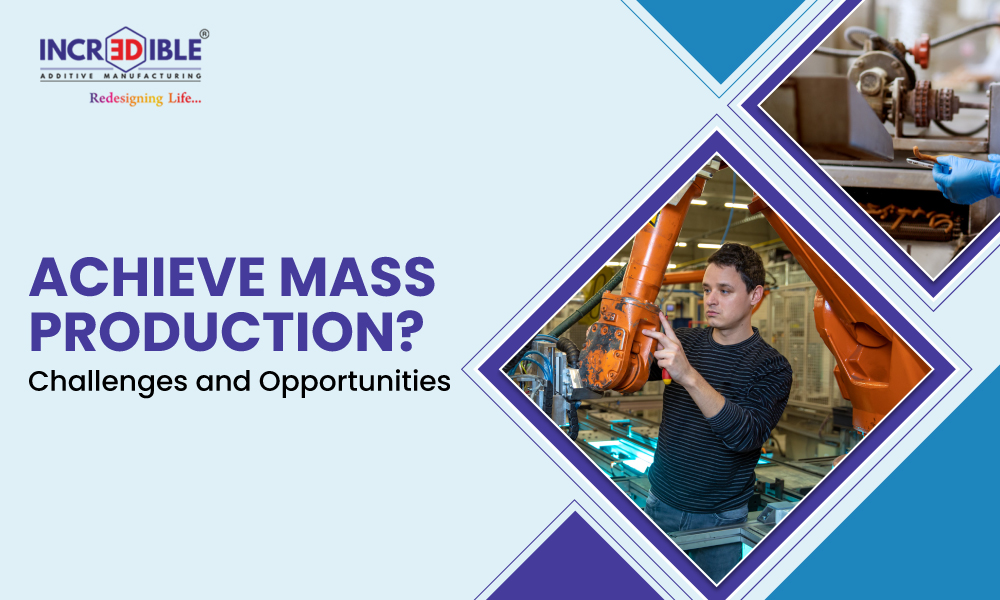
Can metal 3D printing be used for manufacturing many parts efficiently?
Even though metal 3D printing is great for different designs and making unique items, it hasn’t achieved the same level of efficiency or volume as older manufacturing practices. In high-volume manufacturing, being fast and budget-friendly matters most, but today’s 3D printers often cannot meet the production rates needed for mass products. Sometimes, tasks such as stress relief and surface finishing increase the time it takes to deliver the products. The gap between the different systems is lessening as new printing inventions help metal additive manufacturing grow more efficient.
What challenges must be solved for wider adoption?
Various problems must be resolved for metal 3D printing services to become widely used in mass production. Availability and cost issues mean that using metal powders reduces the range of materials you can use. To add, it is still an issue to produce the same quality over large numbers of units. Today, the knowledge needed to develop parts that are best for 3D printing is still being formed. Research, training, and standardization efforts must keep happening for industries such as aerospace and automotive which cannot tolerate mistakes or low accuracy.
Complex geometries unlock design freedom
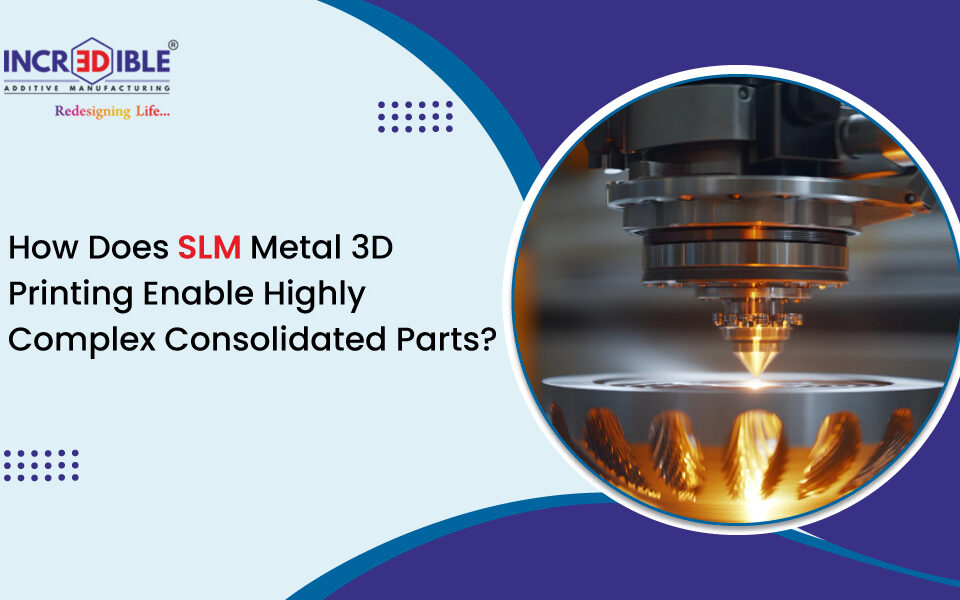
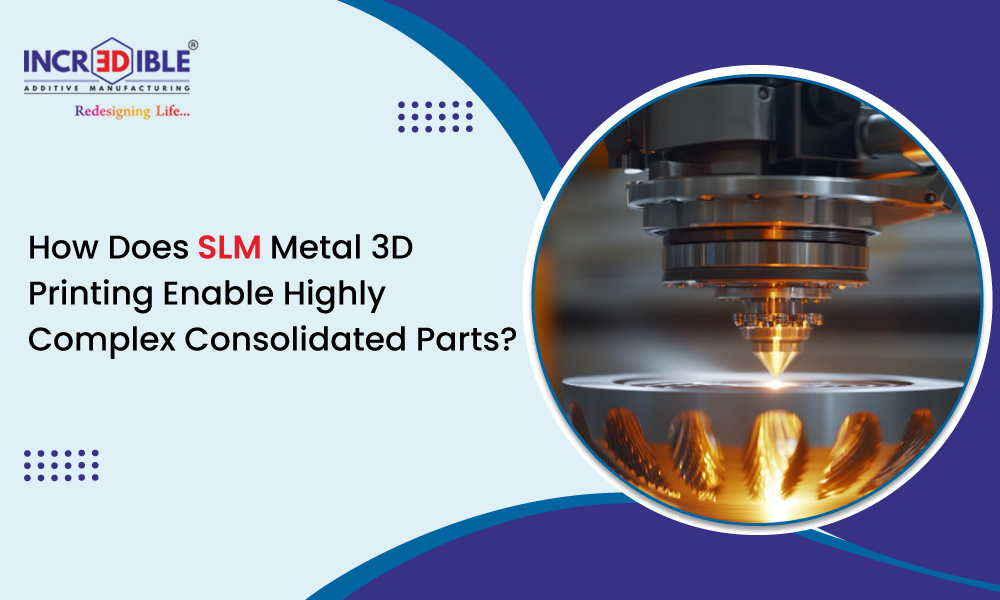
Making intricate objects that traditional processes cannot handle is one of the main strengths of metal 3D printing. Some examples are light lattice structures, built-in channels, and components put together with standard techniques. By being flexible, manufacturers can change how their parts are made, strengthening them, trimming their weight, and wasting less material. Metal 3D printing has great potential for fields focused on performance, customization, and ideas, but workers in those fields are still working to make manufacturing bigger.
Hybrid manufacturing is bridging the gap

.
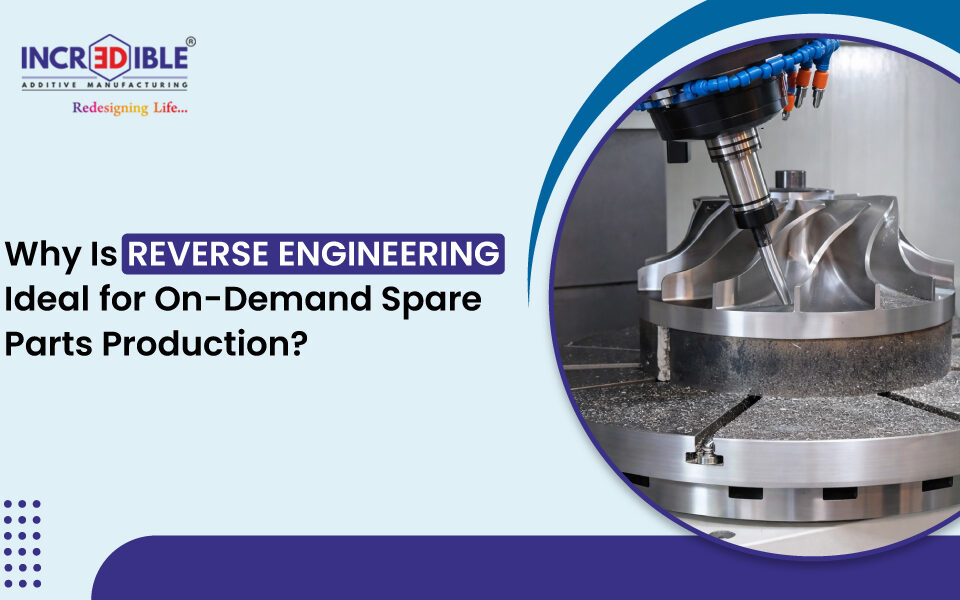
A lot of manufacturers now mix traditional approaches with metal 3D printing. Here, the design is cut by subtractive methods and uses 3D printing services for special features. By merging these concepts, efficiency goes up and larger production is possible while maintaining design choices. If automation and software progress, making hybrid systems more common would allow companies to use the unique strengths of 3D printing while still keeping their costs low.
.
.
Conclusion
Metal 3D printing could greatly change the way we handle the manufacturing of large numbers of products. With this, companies can use materials more wisely, create prototypes quickly, and design products however they want. Still, issues with making things faster, keeping costs down, and using the right materials make its overall use slow. Even so, new technologies and hybrids are helping make metal 3D printing an option for big enterprises. Since industries are still learning about AI, there is a strong chance of disruption. For those looking to invest in future-forward infrastructure, consider 3D Engineering to meet the next-generation metal additive manufacturing needs.