
Surgical Guides


Surgical Guides for Orthopaedic Procedures
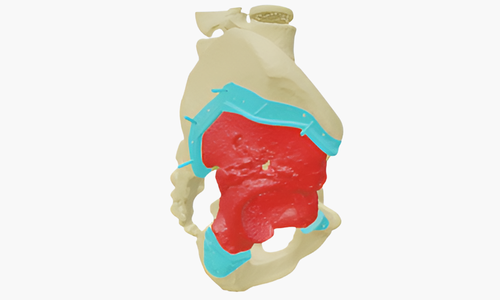
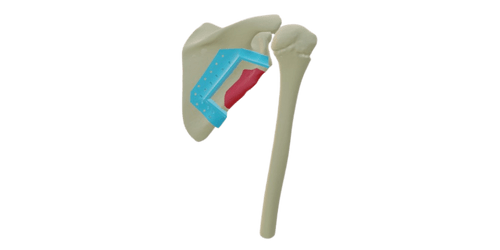
Instruments aimed at increasing the effectiveness of joint reconstructions, bone adjustments and fractures’ treatment are referred to as orthopaedic surgical guides. They are bio models which are developed by means of 3D imaging and CAD/CAM technologies.
How We Plan, Design, and Made
Imaging
Detailed images (CT scans, CBCT & MRI) are used to create a 3D virtual reconstructed model of the patient's Unique anatomy, for example, the jaw and lower and upper Limb structures.
Surgical Planning and Guide Design
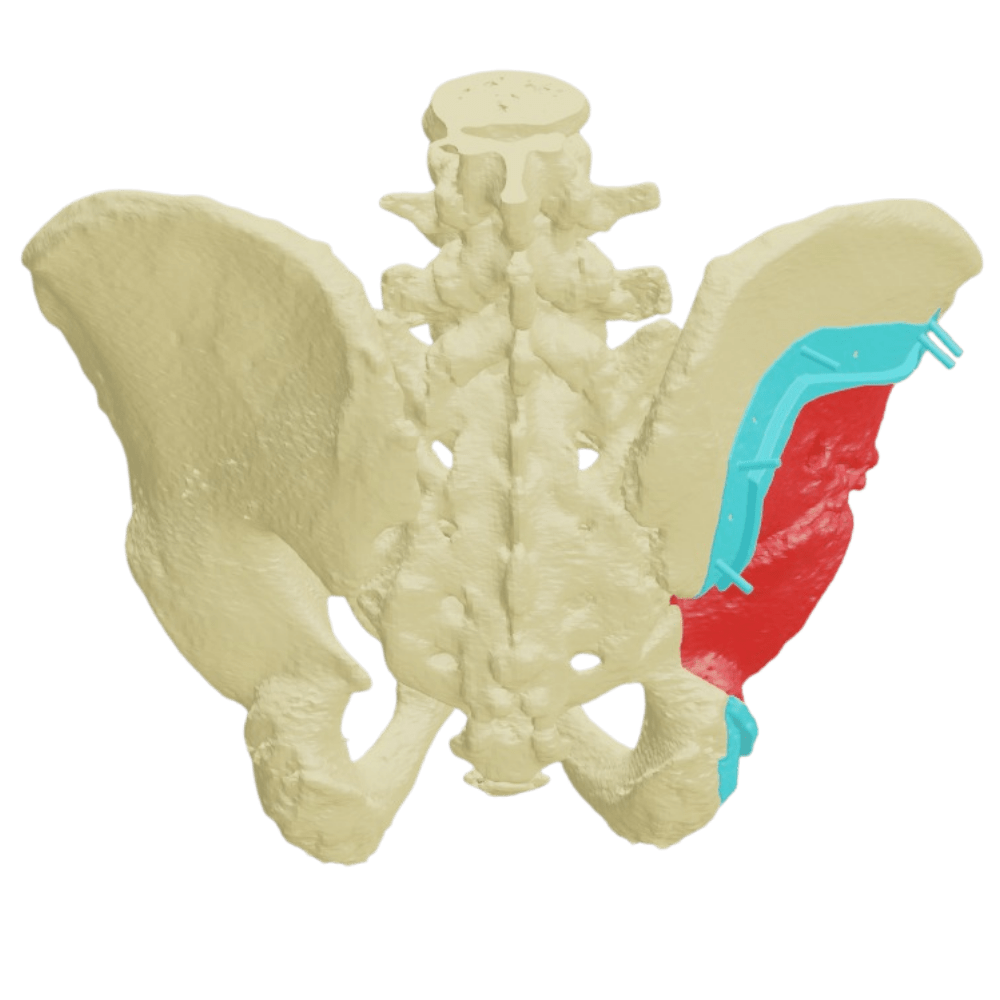
Specialized FDA CE Approved software allows engineers to perform virtual surgery planning on the 3D model, meticulously planning of bone cuts and implant placements. Based on this plan, the Surgical cutting guide is designed to fit snugly onto the patient's bone, guiding the surgeon's saw or drill during the actual procedure.
3D Printing and Post-Processing
The designed guide is then 3D printed using biocompatible materials like resin or Titanium Alloy (TI6AL4V ELI). After printing, the guides are cleaned, cured (to enhance properties and biocompatibility), and sterilized.
Benefits of Custom Cutting Guides
Increased Accuracy
The patient-specific design and virtual planning significantly reduce the risk of errors and enhance the precision of bone resections and reconstructions.
Reduced Operative Time
With the detailed guidance provided by the guides, surgeons can perform procedures more efficiently, potentially leading to shorter surgery durations.
Minimally Invasive Procedures
The accuracy of the guides allows for smaller incisions, minimizing surgical trauma and potentially improving recovery times.
Improved Patient Outcomes
The enhanced precision and reduced trauma contribute to better aesthetic and functional results for the patient.
Materials Used
Medical Resins
These are commonly used due to their biocompatibility, and ability to withstand sterilization.
Metal Medical Grade
In cases requiring additional rigidity and durability, particularly for complex procedures or dense bone structures, metals such as titanium may be employed.